
Advice
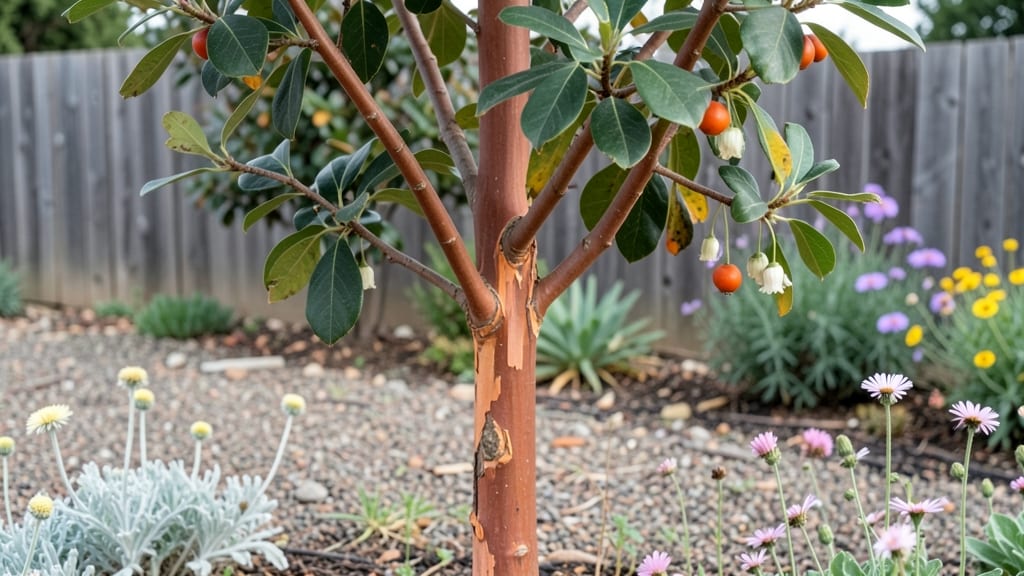
Gardening in Northern California thrives when you embrace its Mediterranean climate by selecting native drought-resistant plants like California poppies, manzanita, and ceanothus, while steering clear of thirsty varieties. Stick to USDA Zones 7b-10a, apply thick mulch layers, and water deeply but infrequently to preserve moisture during the region's long, dry summers and mild winters.
Northern California's unique climate—marked by dry summers and wet winters—means traditional gardening rules don't always apply. 🌵 The key is working with nature rather than against it: native plants already adapted to these conditions need far less water once established, while proper mulching mimics the region's natural ground cover.
I've seen firsthand how a well-planned drought-tolerant garden can flourish with minimal irrigation after the initial establishment period, making it both eco-friendly and low-maintenance.
What often surprises new gardeners is how many beautiful, low-water options exist beyond just succulents. Lavender and yarrow not only survive but thrive in our heat, while rosemary and thyme provide both culinary benefits and landscape appeal.
The coastal areas even allow for some Mediterranean herbs that might struggle further inland where temperatures climb higher. Understanding these microclimate differences is what separates a struggling garden from a vibrant one.
💡 In This Article
- Northern California Planting Zones Explained
- Top Drought-Tolerant Plants for Northern California Gardens
Northern California planting zones explained
Northern California spans USDA Zones 7b through 10a, creating dramatic variations in growing conditions across just a few hundred miles. Zone 7b (average minimum 5°F) covers higher elevations like the Sierra foothills, while Zone 10a (average minimum 30°F) dominates coastal areas near San Diego.
The key difference? Coastal zones rarely see frost, while inland valleys can experience 20-30 frost-free days annually—a critical factor for seasonal planting.
The Mediterranean climate creates stark contrasts: summers reach 90-105°F inland but stay 65-75°F near the coast, with humidity levels dropping below 30% during heatwaves. This explains why ceanothus thrives in Zone 8b coastal gardens but may struggle inland where summer heat exceeds its 95°F tolerance threshold.
The 100-day frost-free window in Zone 10a allows year-round gardening, while Zone 7b gardeners must time plantings to avoid late spring frosts.
Microclimates add another layer: a north-facing slope in Zone 9a might stay 10°F cooler than a south-facing valley just 1 mile away. This is why manzanita, which prefers 60-80°F days, grows well in coastal shade but wilts inland without afternoon shade.
The 12-18 inch mulch layer recommended for drought zones actually serves double duty here—protecting roots from both heat and occasional cold snaps in transitional zones.
Here's what these zones mean for your garden: Zone 7b-8a gardeners should focus on cold-hardy natives like toyons (Heteromeles arbutifolia) that tolerate -10°F dips, while Zone 9b-10a can experiment with olive trees and pomegranates that need consistent warmth.
The 140-day growing season in Zone 10a allows for double cropping, while Zone 7b gardeners must plan for shorter seasons and frost protection.
What most gardeners overlook is how soil temperature varies by zone. Inland soils can reach 120°F in summer, while coastal soils rarely exceed 85°F. This affects root development—deeper-rooted natives like coyote brush thrive in hot soils, while shallow-rooted succulents prefer cooler coastal conditions.
The 3-4 inch soil moisture threshold for drought-tolerant plants translates to watering every 7-10 days in summer, but only every 3-4 weeks once established.
Pro tip: Use the 10°F rule when selecting plants—if your zone is 9a, choose species rated for Zone 8b or higher. For example, California buckwheat (Eriogonum) handles Zone 7b winters but may struggle in Zone 10a's humidity.
Always check chilling hour requirements for fruit trees—100-200 hours for peaches works in Zone 8a but may fail in Zone 9b.
Remember: the 1-inch-per-week rainfall rule doesn't apply here. Northern California's 75% of annual rain falls in 3 months, so irrigation systems must deliver deep, infrequent watering—think 1-2 inches every 10-14 days during summer droughts.
The 3-4 foot deep root zones of native plants mean surface watering won't cut it. 🌿