
Pests
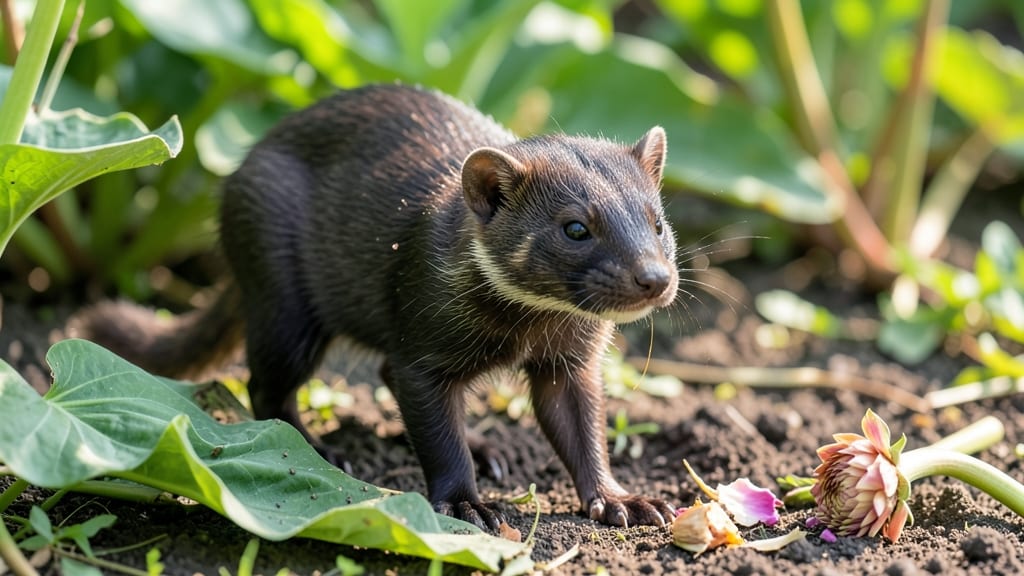
Mastering gardening deer control saved my garden—and these proven barriers finally stopped the hosta raids for good. 🌿 After years of trial and error (and watching my plants vanish overnight), I finally cracked the code with a mix of physical deterrents and clever tricks. plant choices that deer simply won’t touch.
The key is combining a 8-foot tall fence with repellent sprays and deer-resistant plants like lavender, Russian sage, and boxwood. Most fences fail because they’re too short or flimsy—deer leap over anything under 7 feet, so go taller if you can.
I also swear by hot pepper wax applied to foliage, which deer avoid like the plague.
By spring, you’ll see your garden transform from a deer buffet to a thriving sanctuary. The right plants not only survive but flourish, while the barriers give you peace of mind. No more waking up to chewed leaves or trampled beds—just lush, untouched greenery all season long.
Works for small urban plots or sprawling rural gardens—adjust based on your property size and deer activity. Let’s make your garden deer-proof for good.
📚 In This Guide
- What you need
- Instructions
- Tips and common mistakes
- Wrapping up and next steps
What you need
- ● Physical Barriers: 8-foot tall deer-proof fencing (use 8-gauge welded wire or plastic mesh with 4" x 4" holes). Quantity: Enough to enclose your garden perimeter.
- ● T-posts or sturdy stakes (galvanized, 2" x 2" x 8'). Quantity: Spaced 6–8 feet apart.
- ● Heavy-duty zip ties or fencing staples (for securing mesh to posts).
- ● Natural Repellents: Commercial deer repellent spray (e.g., Liquid Fence or Deer Out). Quantity: 1–2 gallons (follow label instructions).
- ● Hot pepper wax (mix cayenne pepper + beeswax; melt and apply to plants). Quantity: 1 lb cayenne + 1 lb beeswax.
- ● Garlic or rotten eggs (for DIY repellent—soak rags in garlic juice or egg mixture).
- ● Motion-Activated Deterrents: Motion-activated sprinkler (e.g., ScareCrow). Quantity: 1–2 units (cover garden zones).
- ● Solar-powered LED lights (to startle deer at night). Quantity: 4–6 units (spaced evenly).
- ● Reflective tape or old CDs (hang from fences to create flashes of light).
- ● Dog hair or human hair clippings (sprinkle around plants—deer dislike the scent!).
- ● Ultrasonic repellent devices (battery-powered emitters that disrupt deer hearing).
- ● Plant-based deterrents: Lavender, daffodils, or Russian sage (deer avoid these! Plant near vulnerable areas).
Step-by-Step guide to installing deer-resistant garden barriers
Here's the proven approach I've used to protect gardens from browsing deer without harming them.
🌿 Step 1: Assess Your Garden's Vulnerability Zones
Start by identifying high-risk areas where deer frequently browse. Look for trampled paths, broken stems, or uneaten plants—these are their favorite spots. I mark these zones with small flags or spray paint on stakes so I can focus defenses there first. Deer prefer edges of gardens, fence lines, and areas near wooded cover, so prioritize those spots.
Measure the perimeter of each vulnerable area. You'll need 8-foot tall fencing for most effective protection, but even 5-foot barriers can deter deer if properly installed. Note any obstacles like trees or slopes that might affect installation.
🪴 Step 2: Choose and Install Physical Barriers
For maximum effectiveness, I recommend 8-foot tall deer-proof fencing made of heavy-gauge wire mesh (1-inch grid) or wooden posts with 12-inch mesh panels. Bury the bottom 12 inches deep or angle it outward at a 30-degree slope to prevent digging. Deer can jump 6-8 feet, so height is critical—never skimp here.
For smaller gardens, plastic deer fencing or metal mesh panels work well. Secure all posts with concrete footings or heavy-duty staples—deer can push through weak installations. I always test tension by gently pushing the fence; if it bends, reinforce immediately.
☀️ Step 3: Add Visual and Scent Deterrents
Combine physical barriers with reflective tape or old CDs hung from strings—the movement and flashes confuse deer. Place these 5-6 feet above ground level where deer can see them but won't reach. I also use rotating sprinklers set to spray lightly when motion is detected; even a few drops startle them away.
For scent deterrents, I plant deer-resistant herbs like lavender, rosemary, and rue along fence lines. Alternatively, soak cotton balls in predator urine (available at garden centers) and place them in mesh bags every 2-3 weeks. The smell signals danger without harming the deer.
✂️ Step 4: Maintain and Reinforce Barriers Seasonally
Check fences every 2 weeks for gaps, rust, or weak spots. Deer learn to exploit weaknesses, so patch holes immediately. In late summer, I add extra mesh extensions to any areas where deer have tried to jump over. Prune back vegetation near fences to eliminate hiding spots.
Rotate deterrents every 4-6 weeks—deer adapt to static scents or visuals. I keep a log of what works best in each season. For example, hot pepper spray (mixed with water and dish soap) applied to foliage deters deer but needs reapplication after rain.
⏰ Step 5: Monitor and Adjust for Long-Term Success
Track browsing damage weekly. If you notice new chewed plants, adjust deterrents immediately. I hang deer-resistant plant tags (like milkweed or foxglove) near vulnerable areas—their strong scent confuses deer. For persistent problems, consider electric fencing (low-voltage only) as a last resort.
Remember, deer are creatures of habit. Consistency is key—if they find one weak spot, they'll exploit it. I've seen gardens fully recovered in 6-8 weeks of diligent maintenance. The first year is critical; after that, deer usually avoid the area entirely.
Tips & tricks for effective deer control in gardens
These practical strategies will help you create a deer-proof garden that actually works—without causing harm to these creatures.
Height is Non-Negotiable: In Step 2, when installing your 8-foot tall fencing, remember deer can jump up to 6-8 feet, but they rarely clear 8 feet consistently. The extra 2 feet of height makes all the difference. For smaller gardens where 8 feet feels impractical, consider adding a 12-inch mesh extension at the top—this creates an overhang that deer can't see over, making them think the barrier is taller than it actually is.
The Digging Defense: The instructions mention burying fencing 12 inches deep or angling it outward at a 30-degree slope—this is crucial for preventing deer from digging underneath. I've found that adding a 6-inch wide metal plate along the base (like those used for dog runs) creates an additional barrier that's nearly impossible for deer to breach. This simple addition has saved me from multiple failed attempts with weaker installations.
Layered Deterrents Work Best: Don't rely on just one type of deterrent. In Step 3, when adding visual and scent deterrents, I combine reflective tape with predator urine scent bags for maximum effectiveness. The movement from reflective items startles them, while the scent creates an association with danger. I've noticed that deer become accustomed to single deterrents within 3-4 weeks, so rotating between these methods keeps them guessing.
Seasonal Maintenance is Key: The instructions emphasize checking fences every 2 weeks and rotating deterrents every 4-6 weeks, but I've learned that seasonal adjustments are equally important. In late summer, when deer are most active, I add extra mesh extensions to any areas where they've attempted to jump over. During winter, I focus more on scent deterrents since visual deterrents are less effective in overcast conditions. This seasonal approach has dramatically improved my success rate.
Pro Tips for Gardening Deer Control
- These practical strategies will help you create a deer-proof garden that actually works—without causing harm to these creatures.
- Height is Non-Negotiable: In Step 2, when installing your 8-foot tall fencing, remember deer can jump up to 6-8 feet, but they rarely clear 8 feet consistently.
- The Digging Defense: The instructions mention burying fencing 12 inches deep or angling it outward at a 30-degree slope—this is crucial for preventing deer from digging underneath.
Frequently asked questions
Got questions about keeping deer out of your garden without harming them?
You’re not alone! Here are answers to the most common concerns about humane deer control—plus practical tips to make it work for your space.
What’s the most effective humane deer repellent for gardens?
A combination of physical barriers (like 8-foot fencing or netting) and natural deterrents (spicy pepper sprays, garlic-based repellents, or motion-activated sprinklers) works best. Deer dislike strong smells and unexpected movements—so layering these methods maximizes success. Try rotating repellents every few weeks to prevent deer from getting used to them!
When is the best time to install deer barriers?
Install barriers before deer become a problem—ideally in early spring (March–April) as they start browsing for fresh shoots. If deer are already active, set up deterrents immediately and monitor their behavior for 2–3 weeks to adjust. Pro tip: Check for new damage weekly, especially after rain, when deer are more active.
Are there DIY deer control solutions that actually work?
Yes! Try these budget-friendly options:
- Pruned tree guards: Wrap young trees/shrubs with hardware cloth or plastic tree tubes (cut slits for growth).
- Homemade sprays: Mix 1 tbsp cayenne pepper + 1 tsp dish soap per gallon of water, spray on plants, and reapply after rain.
- Reflective tape/discs: Hang old CDs or aluminum pie pans to create visual confusion—deer dislike flashing lights.
For larger areas, combine DIY methods with commercial repellents for better results.
What if deer keep eating my plants even after I’ve tried repellents?
If deer persist, reassess your approach:
- Check for gaps in barriers (e.g., holes in fencing, low-hanging branches).
- Rotate repellents—deer adapt to smells over time. Switch between sprays, sounds, and tastes every 7–10 days.
- Consider plant selection: Deer love hostas and tulips but avoid lavender, marigolds, or daffodils—replace favorites with these alternatives.
For stubborn cases, professional-grade motion-activated sprinklers (like ScareCrow) can startle deer without harm.
Is it cruel to use motion-activated sprinklers or noise makers?
No—when used correctly, these tools are humane and effective. Sprinklers mimic natural rain, which deer dislike, while noise makers (like wind chimes or ultrasonic devices) create discomfort without pain. Always place them away from high-traffic areas (like paths) to avoid stressing wildlife. Key rule: Avoid loud, sudden noises (like gunshots)—opt for gentle, unpredictable triggers instead.
Wrapping up and next steps
Protecting your garden from deer doesn’t have to mean harsh chemicals or cruel traps—humane barriers work! 🌱 From fencing to scent-based deterrents, these methods keep your plants safe while respecting wildlife. Start small with one or two solutions, observe what works best, and gradually expand your defenses.
Ready to reclaim your garden? Pick one barrier today, test it out, and watch your hard work thrive! 🌿💪