
Pests
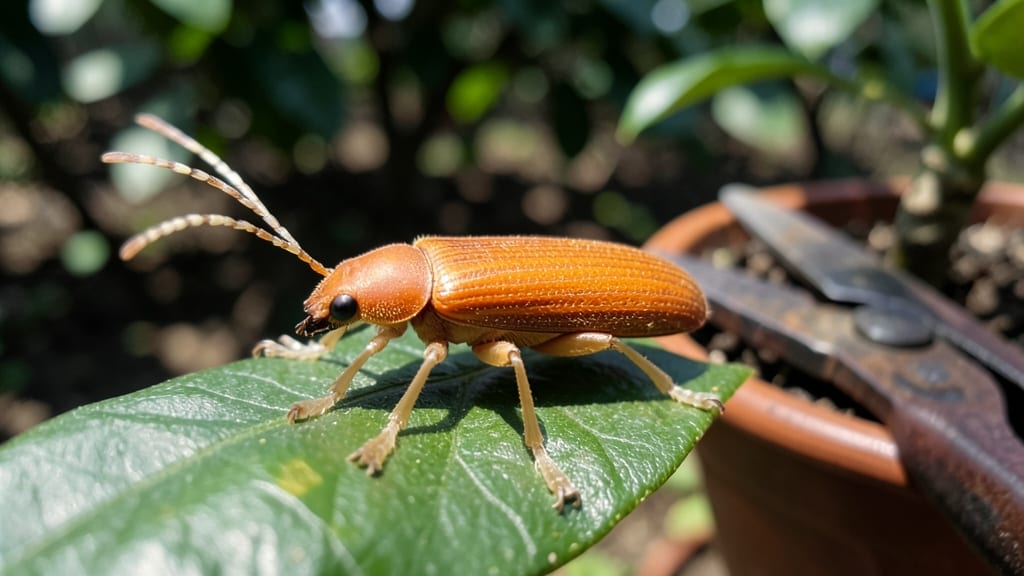
Orange garden insects like citrus aphids and scale can turn your lush plants into sticky, damaged messes if you don’t act fast. 🌿 I’ve battled these pests in my own yard, and the right traps—plus a few natural tricks—can keep your garden thriving without harsh chemicals.
The key is catching them early, before they create that telltale sticky residue on leaves.
Most of these orange invaders love citrus trees, roses, and even fruit bushes, but they’ll hit almost any plant if given the chance. Traps like yellow sticky boards or homemade soap sprays work wonders, and they won’t harm your plants or the good bugs in your garden.
The best part? You can set these up in under 30 minutes and see results within days.
By the time you’re done, your plants will look healthier, with no more sticky leaves or wilting branches. You’ll also learn which plants are most at risk and how to spot an infestation before it spreads. Let’s get those pests under control the natural way!
This works for both small gardens and larger yards, and it’s perfect for anyone who wants to keep their plants safe without resorting to toxic sprays. Here’s how to make it happen—step by step.
Root Causes Of Bright Orange Invaders
Bright orange insects—like the Harmonia axyridis (Asian lady beetle) or Coccinella septempunctata (seven-spotted lady beetle)—might seem like a colorful garden surprise, but their sudden appearance often signals deeper environmental imbalances. Understanding why these critters show up helps you address the real problem: their presence is rarely random.
Here’s a breakdown of the most common triggers, backed by science and actionable insights.
When gardens become too dense with plants—especially monocultures (like rows of roses or vegetable patches)—pests thrive in two key ways:
- Reduced natural predators: Lady beetles (including orange varieties) are beneficial insects that prey on aphids, mites, and soft-bodied pests. But if their food sources (like aphids) are scarce due to overuse of pesticides or lack of diversity, they may seek shelter in your garden instead. Think of it like a food desert: When their usual buffet is gone, they raid your plants.
- Microclimate shifts: Dense foliage traps heat and moisture, creating ideal conditions for beetle eggs to hatch. Studies show that Harmonia axyridis prefers temperatures between 60–85°F (15–29°C)—exactly what a sun-baked garden provides. Research from the Journal of Economic Entomology confirms that beetles aggregate in warm, sheltered spots during cooler months.
Actionable fix: Introduce pollinator-friendly plants (like dill, fennel, or yarrow) to attract their natural predators (lizards, birds, and parasitic wasps). Thin out overgrown areas to break up beetle "hotspots."
Orange lady beetles aren’t just hanging around—they’re following a highly predictable migration cycle tied to temperature and daylight. Here’s how it works:
| Season | Why They Arrive | What They’re Seeking |
|---|---|---|
| Late Summer | Rising temperatures trigger diapause (a dormant state) in adult beetles. | Shelter in leaf litter, bark, or garden structures to survive winter. |
| Fall | Cooler nights prompt beetles to cluster in thousands for warmth. | Your home, garage, or dense shrubs—anywhere with consistent 50–60°F (10–15°C) temps. |
| Spring | Warmer soil signals them to re-emerge and reproduce. | Soft-bodied pests (aphids, scale) to feed their larvae. |
Pro tip: 🌡️ If you see a sudden surge of orange beetles in September or October, they’re likely preparing for hibernation. Seal gaps in window screens, doors, and vents to block their entry.
Ironically, broad-spectrum pesticides (like neonicotinoids or pyrethroids) often invite orange beetles by disrupting the garden’s natural balance. Here’s how:
- Targeted eradication: Pesticides kill aphids and mites—the beetles’ primary food. Without these pests, lady beetles lose their reason to stay, but they may still overwhelm your garden searching for alternatives (like pollen or honeydew).
- Secondary infestations: Some pesticides repel beneficial insects but leave harmful pests (like spider mites) intact. Orange beetles then compete with these survivors, leading to aggressive clustering.
- Chemical confusion: Residual pesticides can disorient adult beetles, causing them to seek shelter in unprotected areas (like your patio or home).
Actionable fix: Switch to targeted treatments like horticultural oil or insecticidal soap, which kill pests without harming lady beetles. 💡 Pro tip: If you must spray, do it after dark—beetles are less active and less likely to be caught in the spray.
Your garden isn’t the only place these beetles are eyeing up—your home is a prime real estate for them. Here’s why:
- Heat retention: South-facing walls, attics, and garages can reach 90°F+ (32°C+) in sunlight, mimicking their ideal hibernation conditions. A study by the University of Minnesota found that Harmonia axyridis prefers structures with insulation gaps that trap warmth.
- Food residue: Crumbs, spilled soda, or even fermenting fruit on decks or patios emit volatile organic compounds (VOCs) that attract beetles. They’re drawn to yeast and sugar—just like fruit flies!
- Light pollution: Outdoor lights (especially LED or sodium vapor) disorient beetles, causing them to circle and land on surfaces. Once they’re inside this "flight trap," they’re more likely to stay.
Actionable fix:
- 🔥 Seal entry points: Use caulk around windows, doors, and vents. Focus on south- and west-facing gaps.
- 🍎 Clean up food sources: Store trash in sealed bins and avoid leaving ripe fruit or pet food outside.
- 💡 Switch to warm-toned bulbs: Amber or red LED lights are less attractive to beetles than cool whites.
Key takeaway: Orange garden insects don’t appear randomly—they’re responding to environmental cues you can control. By addressing food scarcity, shelter availability, and chemical disruption, you’ll make your garden less inviting to them while keeping the ecosystem healthy.
Practical Fixes for Orange Garden Invaders
Dealing with unwanted orange garden insects can feel like a losing battle, but with the right strategies, you can reclaim your garden without harming your plants. Below, we’ve mapped out targeted solutions based on the most common causes—from overripe fruit attracting pests to overwatered soil creating ideal breeding grounds.
Each fix is designed to be easy to implement and plant-friendly, so you can tackle the problem head-on.
If your garden’s orange hues are from rotting citrus, tomatoes, or other fallen fruit, these are magnets for insects like fruit flies, aphids, and even beetles. Here’s how to clean up and prevent future infestations:
- 🔥 Remove and Dispose of Infested Fruit - Pick up all overripe or damaged fruit immediately.
Don’t compost it—toss it in a sealed trash bin (not your compost pile) to avoid spreading eggs or larvae. - Pro Tip: 💡 If fruit is still salvageable, store it in the fridge to slow ripening and reduce attractants.
- 🍳 Sanitize the Area
- Spray the soil and plant bases with a 1:10 vinegar-water mix (or neem oil spray) to kill lingering eggs or pests. Repeat weekly until the problem subsides.
- 👨🍳 Prevent Future Messes
- Harvest fruit regularly—don’t let it overripe on the vine.
- Use netting over citrus trees or berry bushes to block pests before they land.
Orange insects like fungus gnats, slugs, and earwigs thrive in soggy conditions. If your garden stays too wet, adjust your watering habits and improve drainage:
- ⏰ Adjust Your Watering Schedule
- Water deeply but less frequently (early morning is best) to encourage roots to grow deeper and reduce surface moisture.
- Pro Tip: 🌡️ Stick your finger 1 inch into the soil—if it’s damp, wait before watering again.
- 🔪 Improve Drainage
- Amend heavy or clay soil with compost or perlite to help water drain faster.
- For container plants, ensure pots have drainage holes and use well-draining potting mix.
- 🥘 Use Mulch Strategically
- Apply straw or wood chips (not thick layers) to retain moisture without creating a pest paradise. Keep mulch 2–3 inches away from plant stems to prevent rot.
Piles of leaves, grass clippings, or plant debris create hiding spots for orange-colored beetles, earwigs, and even spider mites. Break the cycle with these steps:
- 🔥 Clear Out Debris Regularly
- Rake up fallen leaves, weeds, and plant trimmings from garden beds and lawn edges. Store them in a sealed bin or compost pile with high heat (turn frequently).
- Pro Tip: ✨ Use a leaf blower for large areas to speed up cleanup.
- 🍳 Create a Pest-Resistant Barrier
- Lay down landscape fabric under mulch or in garden beds to block pests from crawling up from the soil.
- For severe infestations, solarize the soil by covering it with clear plastic for 4–6 weeks to kill hidden pests.
- 👨🍳 Encourage Natural Predators
- Attract ladybugs, lacewings, or ground beetles (many of which are orange or yellow) by planting dill, fennel, or marigolds. These predators will feast on smaller pests naturally.
If you’ve identified the specific orange insect (e.g., citrus leafminer, orange tortrix moth, or soldier beetle), try these non-toxic traps:
| Pest | DIY Trap Idea | How to Use It |
|---|---|---|
| Fruit Flies | Apple cider vinegar + dish soap | Fill a small cup with vinegar, add a drop of soap, cover with plastic wrap + poke holes. Replace every 3 days. |
| Citrus Leafminers | Blue sticky traps | Hang near infested trees to catch adult flies before they lay eggs. |
| Soldier Beetles | Bright yellow pan traps with soapy water | Place shallow pans filled with water + dish soap; beetles are attracted to the color and drown. |
| Earwigs | Rolled-up newspaper or cardboard | Leave near moist areas—earwigs hide inside during the day. Shake them into soapy water. |
Once you’ve addressed the immediate problem, prevent recurrence with these habits:
- 🌱 Rotate crops annually to disrupt pest life cycles.
- 🍃 Prune plants regularly to improve airflow and reduce hiding spots.
- 🕯️ Use yellow LED lights at night—many orange insects are attracted to white lights, so this deters them.
- 📅 Monitor weekly for early signs of eggs or larvae (use a magnifying glass if needed).
By combining cleanup, smart watering, and targeted traps, you’ll create a garden that’s less inviting to orange invaders—without resorting to harsh chemicals. Start with one or two fixes, observe the results, and adjust as needed. Your plants (and your sanity) will thank you!
Frequently asked questions
Are orange garden insects always harmful to my plants?
Not necessarily! Many orange insects, like lady beetles (ladybugs) or soldier beetles, are actually beneficial—they eat aphids and other pests. However, some orange pests like citrus aphids or scale insects can damage plants. Always check for signs of harm (sticky residue, wilting leaves) before acting.
What’s the best natural way to get rid of orange beetles without chemicals?
Try these non-toxic methods:
- Use yellow sticky traps to catch flying beetles.
- Spray plants with a soapy water mix (1 tsp dish soap per quart of water).
- Introduce natural predators like lacewings or birds by planting dill or marigolds.
Why do orange insects appear in my garden in the fall?
Many orange beetles, like Asian lady beetles, seek shelter for winter. They cluster in warm, sheltered spots (like garages or dense foliage) when temperatures drop below 60°F (15°C). Seal gaps in your home and remove leaf litter to discourage them from moving inside.
Can orange garden insects harm my citrus trees specifically?
Yes! Citrus aphids and scale insects (often orange) thrive on citrus trees, causing sticky honeydew and leaf drop. For treatment, wipe leaves with a neem oil spray or introduce parasitic wasps, which naturally control these pests without harming your tree.
How do I tell if orange spots on my plants are insects or just plant damage?
Check for movement—if the spots crawl or fly away, they’re insects. Look for tiny eggs or webbing on leaves. Plant damage (like sunburn) usually appears as dry, crispy patches, not clusters of bugs. Use a magnifying glass for a closer look!