Pests
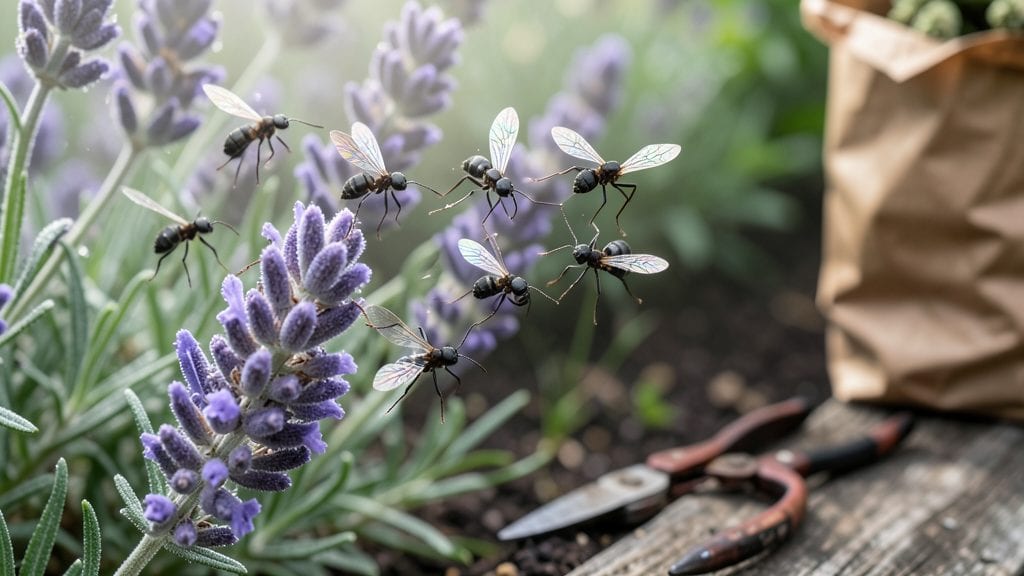
Flying ants swarming your garden isn’t just annoying—it’s a sign your plants are under siege. 🌿 I’ve battled these winged invaders for years, and the wrong methods make things worse. The key? Targeting their nests and habits without harming bees or beneficial insects.
Most flying ants appear in late summer when they’re actually mating. They don’t eat plants, but their nests near roots disrupt soil and attract pests. My go-to solution? A mix of vinegar-soaked cotton balls in key spots and diatomaceous earth around the base of plants—both disrupt their trails without chemicals.
Within a week, you’ll see fewer scouts returning, and your garden’s ecosystem stays balanced. The best part? These methods work for ant hills, aphids, and even termites—no harsh sprays needed. Let’s get your garden back to thriving.
Works for all garden types, from veggie beds to flower borders. Here’s how to spot nests and apply the fixes before they spread.
The Science Behind Winged Invaders
Ever wondered why your garden suddenly becomes a hotspot for swarms of flying ants? These tiny winged intruders don’t just appear out of nowhere—they’re following a precise biological schedule and environmental cues.
Understanding the why behind their emergence is the first step to managing them effectively. Let’s break down the key triggers that turn your peaceful garden into a buzzing battleground.
Flying ants are highly sensitive to temperature shifts, and their emergence is tied to warm, stable weather. Here’s how it works:
- Spring Warmth: After winter, colonies need consistent temperatures (typically 60–75°F (15–24°C)) to stimulate reproduction. Once the ground warms, worker ants focus on raising new queens and males, which develop wings to mate and start new colonies.
- Post-Rain Boom: Rainfall softens the soil, making it easier for ants to excavate nuptial chambers. The humidity also triggers mating flights—ants use moisture cues to time their takeoff for optimal breeding conditions.
- Heatwaves as False Alarms: While heat can accelerate development, extreme heat (above 85°F / 29°C) may delay flights. Ants avoid dehydration, so they’ll wait for cooler, calmer days.
Actionable Tip: Monitor your local weather forecast. Flying ants often appear 1–2 days after a warm, rainy spell—stay vigilant during these windows! 🌧️☀️
Ant colonies grow exponentially, and when they hit capacity, nature’s rule kicks in: it’s time to reproduce or die out. Here’s the breakdown:
- Limited Space: Mature colonies (often 1–3 years old) can house thousands of workers. As food and nesting space dwindle, the queen prioritizes producing winged reproductives (future queens and males) to ensure the colony’s survival.
- The "Superswarm" Phenomenon: Some species, like Lasius niger (common black garden ants), release millions of alates (winged ants) simultaneously to overwhelm predators and improve mating success. This creates the dramatic swarms you see.
- Food Abundance = More Offspring: Gardens rich in protein (e.g., aphid honeydew, pet food, or compost) signal to colonies that resources are plentiful—triggering earlier and larger reproductive cycles.
Actionable Tip: Reduce attractants like open compost heaps or protein-rich mulch. A well-maintained garden with minimal food sources discourages colonies from growing large enough to swarm. 🚫🍖🌱
The primary purpose of flying ants is reproduction, and their behavior is governed by a mix of pheromones, light cycles, and wind patterns. Here’s the science:
- Pheromone Signals: Worker ants release chemicals to coordinate the emergence of winged adults. Once a critical mass is reached, the swarm takes flight en masse.
- Timing is Everything: Flights typically occur on warm, overcast days (to avoid predators like birds) or at dusk/dawn (when winds are calm). Strong sunlight or wind can scatter them, reducing mating success.
- Males vs. Females: Males die shortly after mating, but fertilized females (future queens) shed their wings, burrow into the soil, and start new colonies. This cycle repeats annually.
Actionable Tip: If you see flying ants, don’t panic—they’re not nesting in your home (yet). Their presence means colonies are nearby, but the swarm itself is short-lived (usually 24–48 hours). Focus on post-flight prevention (see next section). 🕊️⏳
Believe it or not, your landscaping choices can inadvertently invite flying ants. Here’s how:
| Garden Feature | Why It Attracts Ants | Solution |
|---|---|---|
| Woodpiles or Bark Mulch | Provides moisture and shelter for colonies to thrive. | Store firewood away from your home and use gravel or rubber mulch instead. |
| Leaky Faucets or Irrigation | Excess water softens soil, making it easier for queens to nest. | Fix leaks and avoid overwatering—ants seek consistently damp spots. |
| Fruit Trees or Compost Bins | Sugar-rich foods (like rotting fruit) feed colonies, accelerating growth. | Harvest fruit promptly and use closed compost bins with minimal organic waste. |
| Stone Paths or Cracks in Pavement | Gaps provide perfect nesting sites near food sources (your home!). | Seal cracks with cement or silicone to block entry points. |
Actionable Tip: Conduct a garden audit this fall. Remove potential nesting sites before winter, when queens seek shelter to hibernate and later emerge as flying ants. 🔍🌿
Practical Ways to Stop Them
Flying ants in your garden can feel like an unwelcome invasion, but the good news is that most solutions are simple, natural, and effective. Below, we’ve mapped out targeted fixes based on the most common causes—whether it’s moisture, food sources, or nesting habits—plus prevention tips to keep them from returning.
If your garden is a magnet for flying ants because of damp soil or stagnant water, dry it out and block their access.
💧 Drain & Dry Problem Areas
- 🔧 Fix clogged gutters or downspouts to redirect water away from your home and garden.
- 🌱 Improve soil drainage by adding compost or sand to heavy clay soil.
- 🚫 Remove standing water in saucers, birdbaths, or low-lying spots—ants use these as water sources.
🛡️ Prevent Future Moisture Issues
- 🌡️ Use gravel or mulch in shady, damp areas to reduce humidity.
- 💡 Install a dehumidifier in basements or crawl spaces if ants are entering indoors.
Flying ants are drawn to sweet, sticky, or decaying matter—so clean up and make your garden less appealing.
🧹 Remove Food Sources Immediately
- 🍯 Clean up spills from fruit, soda, or pet food—especially near ant trails.
- 🌿 Prune overgrown plants (like ivy or vines) that trap moisture and debris.
- 🗑️ Secure trash bins with tight lids and use ant-proof containers for compost.
🚫 Long-Term Deterrents
- 🍋 Sprinkle citrus peels or coffee grounds around entry points—ants hate these scents.
- 🌿 Plant ant-repelling herbs like mint, basil, or lavender near problem areas.
Flying ants build nests in soil, wood, or wall cavities—seal them off to stop infestations.
🔨 Seal Cracks & Gaps
- 🔧 Caulk cracks in foundations, window frames, and doors with silicone sealant.
- 🪵 Treat wooden structures (decks, fences) with borax or diatomaceous earth (food-grade only) to deter nesting.
🌳 Trim Back Vegetation
- ✂️ Cut branches touching your home—ants use them as bridges.
- 🌿 Remove leaf litter and mulch piles near the house.
Chemical sprays can harm plants and pets, but these eco-friendly options work fast.
| Method | How to Apply | Why It Works |
|---|---|---|
| 🌿 Vinegar Spray | Mix 1:1 white vinegar & water, spray on trails | Disrupts scent trails, ants avoid it. |
| 🧂 Salt Barrier | Sprinkle a thin line of salt around entry points | Dehydrates ants on contact. |
| 🌶️ Cayenne Pepper | Mix 1 tbsp cayenne + 1 quart water, spray | Capsaicin irritates ants’ exoskeletons. |
| 🍋 Lemon Juice | Spray undiluted on windowsills & doors | Strong scent masks attractants. |
⚠️ Pro Tip: Reapply repellents after rain—they wash away quickly!
- 🌞 Keep your garden sunny and well-ventilated—ants prefer shade and dampness.
- 🐝 Encourage natural predators like birds, lizards, and spiders (they eat ants!).
- 🕒 Inspect regularly—catch small colonies before they swarm.
💡 Final Thought: Flying ants are a seasonal nuisance, but with consistent upkeep, you can make your garden a no-go zone. Start with one or two fixes from above, and you’ll see a difference in days!
Frequently asked questions
Why do flying ants suddenly appear in my garden?
Flying ants emerge in late summer during their mating season, triggered by warm, stable weather after rain. They don’t eat plants but signal nearby colonies need attention. Their swarms last just 24-48 hours, but the queens that survive will start new nests—often in your soil or mulch.
Are flying ants harmful to my plants?
Not directly—they don’t damage plants. However, their nests near roots can disrupt soil health and attract pests like aphids. The real risk is queens burrowing into potted plants or lawns, where they’ll establish permanent colonies. Remove nests promptly to prevent this.
What’s the fastest way to get rid of flying ants without chemicals?
Try a vinegar-soaked cotton ball placed near entry points—it disrupts their scent trails. For nests, sprinkle diatomaceous earth around plant bases (food-grade only). Both methods work within 3-5 days and won’t harm beneficial insects like bees or ladybugs.
Can I prevent flying ants from returning next year?
Yes! Focus on three key fixes: seal cracks in your home’s foundation, remove standing water, and avoid protein-rich mulch (like wood chips). Plant mint or lavender near problem areas—their scents deter ants naturally. A fall garden audit catches queens before they nest.
Why do I see flying ants indoors?
Indoor swarms mean colonies are nesting nearby (often in walls or crawl spaces). Flying ants don’t build nests inside—they’re just mating. Seal entry points with caulk and use citrus peels as a temporary barrier. If you see them repeatedly, locate the outdoor nest first.