
Pests
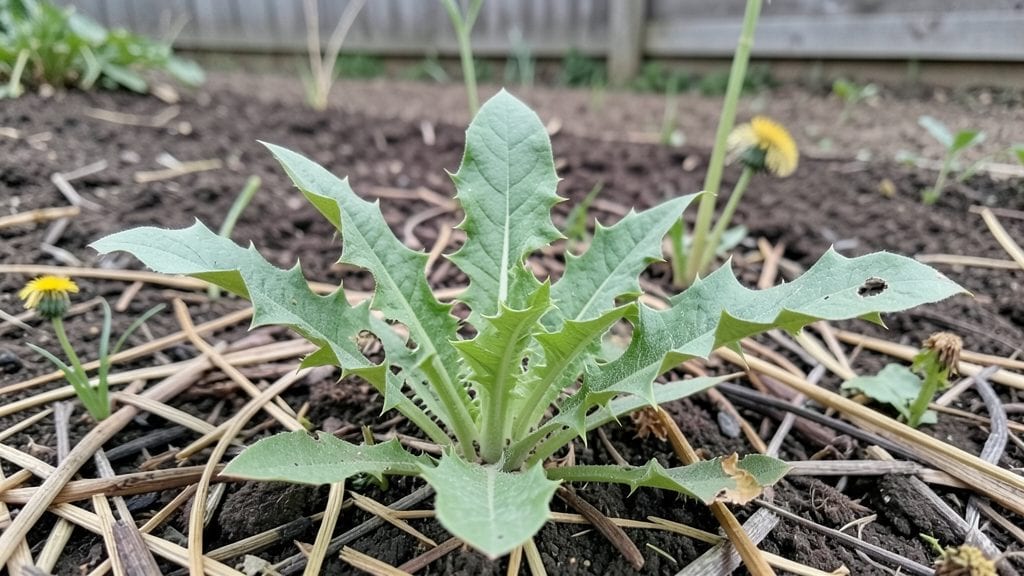
Weed leaves don’t have to mean battling with harsh chemicals to keep your garden healthy. The pull-and-release method transforms weeds into soil boosters, cutting down on waste while improving your garden’s vitality.
I’ve used this approach for years, and it’s the only technique that keeps my soil rich without harming beneficial insects or future plants.
Here’s how it works: instead of tossing weeds into the trash, you pull them by the roots and lay them on the soil surface. Over time, they decompose naturally, returning nutrients like nitrogen to the earth.
This method is especially effective in vegetable gardens where soil health directly impacts harvest quality. The key is timing—pull weeds when they’re young and before they seed.
You’ll notice fewer weeds over time as the soil becomes more balanced, and your plants will thrive with stronger roots and better resistance. The process is simple but requires consistency, especially during peak growing seasons.
By the end of summer, your garden will look cleaner and produce healthier crops without the need for synthetic treatments.
This approach works in flower beds, vegetable patches, and even around shrubs, making it versatile for any outdoor space. The only tools you need are gloves and a sturdy pair of hands—no expensive equipment required. Start small, and you’ll see the difference in just a few weeks.
Root Causes Of Unwanted Weeds
Weeds don’t just appear out of nowhere—they thrive due to specific environmental and human factors. Understanding these causes helps you take targeted action to prevent them. Below are the key reasons why garden weed leaves pop up in your soil, along with the science behind them.
Weeds often dominate when your garden soil lacks the right balance of nutrients, organic matter, or proper drainage. Here’s why:
- Low Organic Matter: Healthy soil is rich in decomposed plant material, which supports beneficial microbes and strong root systems.
When organic matter is low, weeds like dandelions and crabgrass fill the gap because they can grow in nutrient-poor conditions. - Compacted Soil: Heavy foot traffic, machinery, or clay-heavy soil can compact the top layer, restricting water and oxygen flow.
Weeds with shallow roots (e.g., chickweed) exploit these gaps because they don’t need deep soil penetration to survive. - Imbalanced pH: Most garden plants prefer a slightly acidic to neutral pH (6.0–7.0).
Weeds like lamb’s quarters thrive in alkaline soil (pH > 7.5), while others, such as plantain, dominate in acidic conditions (pH < 6.0). Testing your soil’s pH can reveal why certain weeds are taking over.
💡 Pro Tip: Amend your soil with compost, mulch, or lime/sulfur to correct pH and improve structure. A well-aerated, nutrient-rich soil gives desirable plants the competitive edge over weeds.
Weeds are opportunists, and they capitalize on conditions that favor rapid, unchecked growth. Here’s how sunlight and water play a role:
- Over-Sunny Spots: Full-sun weeds like pigweed and purslane thrive in areas where shade-loving plants (e.g., hostas or ferns) would struggle.
If your garden has patches with too much direct sunlight, weeds will outcompete slower-growing crops. - Overwatering: While most plants need consistent moisture, excessive watering creates the perfect environment for weeds. Moisture-loving species like bindweed and nutsedges spread aggressively in damp soil.
Even worse, overwatering can wash away nutrients, leaving weeds to dominate. - Poor Drainage: Waterlogged soil suffocates roots and encourages anaerobic conditions, where weeds like smartweed thrive. If your garden has low spots or clay soil that holds too much water, weeds will exploit the lack of oxygen.
✨ Actionable Fix: Use mulch to regulate soil moisture and temperature. Drip irrigation (instead of overhead watering) delivers water directly to plant roots, reducing weed germination. For soggy areas, consider raised beds or amending soil with sand or perlite.
Weeds spread when they aren’t challenged by stronger, healthier plants. Here’s how gaps in your garden create opportunities for them:
- Bare Soil: Any exposed soil is an invitation for weeds. Seeds lie dormant in the soil bank until disturbed by sunlight, water, or tilling.
Once activated, they germinate quickly—often faster than your desired plants. - Thin Plantings: When garden beds are sparsely populated (e.g., due to poor germination or overcrowding), weeds fill the empty spaces.
They don’t need much room to establish themselves, while many vegetables and flowers require consistent spacing. - Monoculture Planting: Growing the same type of plant (e.g., tomatoes or lettuce) in large blocks creates uniform conditions that weeds can exploit.
Diversity in your garden disrupts weed cycles by breaking up their preferred growing patterns.
🎯 Solution: Plant densely to shade out weeds, use companion planting (e.g., marigolds to deter nematodes and weeds), and fill empty spaces with ground covers like clover or creeping thyme.
Weeds are masters of exploiting human activity. Here’s how they take advantage of garden disruptions:
- Tilling: While tilling can aerate soil, it also buries weed seeds deeper, where they remain viable for years.
Some weeds, like quackgrass, produce extensive root systems that regrow even after tilling. - Foot Traffic: Walking on garden beds compacts soil and can inadvertently plant weed seeds on your shoes or tools.
Weeds like plantain and chickweed spread easily in disturbed, trampled areas. - Wind And Water: Seeds from nearby wild areas, lawns, or even neighboring gardens hitch rides on the wind or hitchhike via water runoff. Weeds like thistle and ragweed are notorious for this.
🔥 Prevention Tip: Avoid tilling—opt for mulching or hand-weeding instead. Use drip irrigation to minimize water runoff, and lay down landscape fabric in high-disturbance areas (like pathways) to block weed seeds.
Even well-meaning gardeners can inadvertently create conditions that favor weeds through improper use of fertilizers or pesticides.
- Over-Fertilizing: While nitrogen-heavy fertilizers boost leafy growth in crops, they also fuel rapid weed growth. Weeds like crabgrass and foxtails respond aggressively to excess nitrogen. - Pesticide Resistance: Some weeds develop resistance to herbicides over time, making them harder to control.
For example, horseweed (marestail) has evolved resistance to glyphosate in many regions. - Soil Sterilization: Harsh chemicals or excessive salt buildup (from irrigation water) can kill beneficial microbes and fungi, leaving soil vulnerable to weed invasion.
💪 Balanced Approach: Use slow-release, organic fertilizers to avoid nutrient spikes. Rotate herbicide classes if weeds become resistant, and consider biological controls like beneficial nematodes or vinegar-based sprays for targeted weed management.
Humane Ways to Remove Weed Leaves
Tired of battling stubborn garden weed leaves while keeping your soil—and your conscience—happy? The pull-and-release method is a game-changer, offering a sustainable way to reclaim your garden without harming beneficial organisms.
Below, we break down practical, step-by-step solutions tailored to common causes of weed leaf overgrowth, plus prevention tips to keep your garden thriving long-term.
Weeds thrive in disturbed soil, poor mulch, or overwatering. Here’s how to starve them out without chemicals:
🔥 Fix: Mulch Like a Pro
- Problem: Bare soil invites weeds by exposing seeds to sunlight.
- Solution: Apply 3–4 inches of organic mulch (straw, wood chips, or leaves) to block light and retain moisture.
- Pro Tip: 💡 Refresh mulch annually—decomposed layers lose effectiveness over time.
🍳 Fix: Hand-Pull with Precision (Pull-and-Release Method)
- Problem: Ripping weeds by the roots can disrupt soil structure.
- Solution: 1. Wait for rain (soil loosens, making extraction easier). 2. Grip the base of the weed (not just the leaves) and pull slowly to avoid breaking the root.
- Release roots on-site (let them decompose naturally—this feeds soil microbes!). - Pro Tip: ✨ Use a garden fork for stubborn weeds: loosen soil first, then pull.
👨🍳 Fix: Smother Weeds with Barriers
- Problem: Weeds pop up in cracks between pavers or garden beds.
- Solution: Lay cardboard or landscape fabric under mulch in high-risk areas (e.g., vegetable beds). For paths, try gravel or stepping stones to block light.
Some weeds (like dandelions or crabgrass) resist pulling. Try these instant-kill tactics:
🔪 Fix: Boiling Water Blast (For Small Patches)
- Problem: Chemical herbicides harm soil life.
- Solution:
- Pour boiling water directly onto weed leaves (avoid desirable plants!).
- Repeat 2–3 times for deep-rooted weeds.
- Pro Tip: 🌡️ Do this on a sunny day—heat accelerates the kill.
🌡️ Fix: Solarization (For Large Areas)
- Problem: Persistent weeds in open soil.
- Solution: 1. Water the area thoroughly. 2. Cover with clear plastic sheeting (secured with rocks).
- Leave for 4–6 weeks in summer sun—heat will kill weeds and seeds. - Caution: ⏰ Best for fall prep—don’t use during growing season.
An ounce of prevention beats a pound of pulling. Try these low-effort habits:
| Cause | Prevention Fix | How Often |
|---|---|---|
| Compacted soil | Aerate with a garden fork or core aerator. | Once a year. |
| Overwatering | Water deeply 2–3x/week (early morning). | Seasonal adjustment. |
| Poor mulch | Use living mulch (clover or creeping thyme). | Refresh annually. |
| Seed spread | Remove weeds before they flower/seed. | Weekly checks. |
💡 Bonus: Encourage natural weed suppressors like clover or ground covers (e.g., vinca or ajuga) to outcompete weeds without chemicals.
Why This Works: The pull-and-release method feeds your soil while removing weeds—no waste, no harm to pollinators or earthworms. Combine these fixes with consistent mulching and smothering techniques, and you’ll spend less time pulling and more time enjoying your garden! 🌿
Frequently asked questions about managing garden weed leaves
What’s the best time of day to pull weeds for maximum effectiveness?
Early morning is ideal—soil is moist from dew, making weeds easier to remove by hand. Avoid midday when soil is dry and hard, or evening when weeds may have already absorbed water for the day. For stubborn weeds, pull after rain when roots are softest.
How do I tell if a weed leaf is safe to compost or should be tossed?
Weeds that haven’t gone to seed (no flower heads or seed pods) can go straight into your compost pile—they’ll break down like any other organic matter. However, toss weeds with mature seeds in the trash or burn them (if local laws allow) to prevent spreading. Always pull weeds before they flower!
Will mulch really prevent weeds, or is it just a temporary fix?
Mulch is a powerful long-term solution when applied correctly. A 3–4 inch layer blocks sunlight, which weeds need to germinate. Organic mulches (like straw or wood chips) also improve soil health over time. Refresh it annually to maintain effectiveness—don’t let it decompose completely.
Can I use vinegar to kill weeds, and what’s the safest way?
Yes, but use it carefully! Mix 1 gallon of white vinegar with 1 cup of salt and 1 tablespoon of dish soap for better coverage. Spray directly on weed leaves (avoid desirable plants) on a sunny day. Repeat every 3–5 days for deep-rooted weeds. This method kills plants but doesn’t improve soil health—use it sparingly.
Why do some weeds keep coming back even after I pull them?
Weeds like dandelions and quackgrass have deep root systems or spread via underground runners. If you don’t remove the entire root, they’ll regrow. For persistent weeds, dig deeper or use a garden fork to loosen roots before pulling. Smothering with cardboard or landscape fabric can also prevent regrowth.