
Fertilization
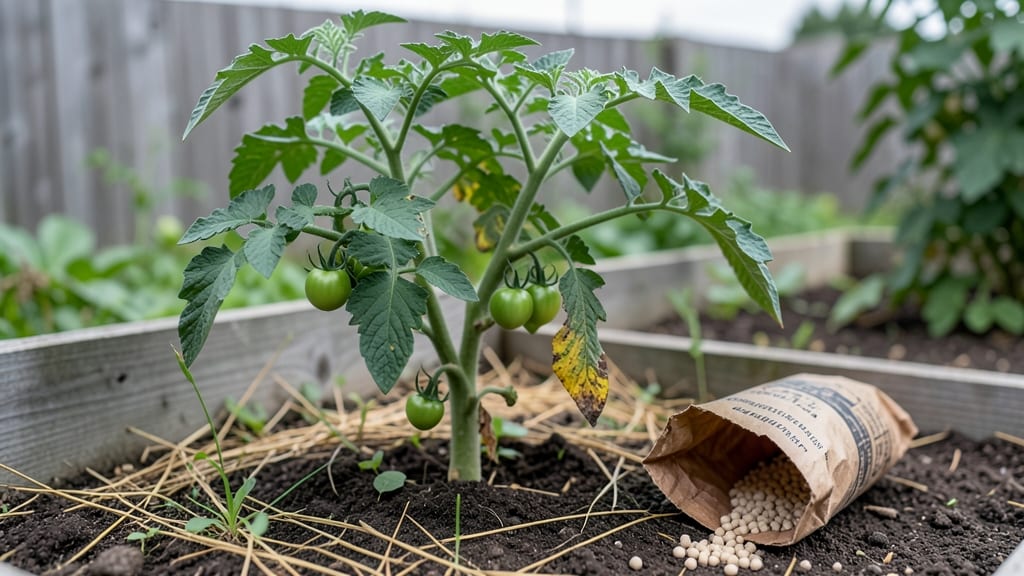
Fertilizing garden plants transforms lackluster growth into explosive harvests—when you get the science right. 🌱 I spent years watching my tomatoes struggle with yellow leaves and stunted fruit, until I cracked the code on timing, types, and plant-specific needs.
The difference between a garden that feeds you and one that just looks pretty often comes down to what’s in the soil.
You don’t need a chemistry degree—just the right mix of nutrients at the right time. Organic options like compost and fish emulsion feed plants slowly, while synthetic fertilizers deliver quick fixes for hungry crops.
My go-to system starts with a soil test (yes, it’s worth the $20) to know exactly what your plants are missing, then layers in fertilizers based on growth stage—early for roots, mid-season for blooms, late for fruit. Even my black thumb can’t mess this up once you know the basics.
By the end of summer, you’ll be harvesting vibrant green tomatoes, crisp carrots, and fragrant herbs that taste like they came from a farmer’s market.
The key is matching fertilizer to what each plant craves—leafy greens need nitrogen, fruiting plants crave phosphorus, and all of them benefit from potassium for resilience. You’ll spot the signs of deficiency early (yellow leaves? Purple stems?) and fix them before they derail your harvest.
Works for vegetables, flowers, and even lawns—just adjust the ratios. Let’s turn your garden into the envy of the neighborhood, one feeding session at a time.
📚 In This Guide
- What you need
- Instructions
- Tips and common mistakes
- Wrapping up and next steps
What you need
- ● Fertilizer: Granular fertilizer (e.g., 10-10-10 or 5-10-5 NPK ratio) – 1-2 lbs per 100 sq ft
- ● Slow-release organic fertilizer (e.g., composted manure, bone meal) – 1-2 cups per plant
- ● Liquid fertilizer (e.g., fish emulsion, seaweed extract) – 1-2 tbsp per gallon of water
- ● Soil Amendments: Compost – 2-3 inches mixed into topsoil
- ● Peat moss or coconut coir – 1 part per 3 parts soil (for acidic-loving plants)
- ● pH Testing Kit – To check soil acidity/alkalinity (ideal range: 6.0-7.0 for most plants)
- ● Watering Can or Hose – For even distribution of liquid fertilizers
- ● Garden gloves – To protect your hands from chemicals and dirt
- ● Hand trowel or garden fork – For mixing amendments into soil
- ● Measuring cups/spoons – Precision matters for fertilizer ratios!
- ○ Spreader (optional) – For even granular fertilizer distribution
- ● Identify your plants’ needs – Check labels or research specific nutrient requirements
- ● Test soil moisture – Waterlogged or dry soil affects nutrient uptake
- ● Choose the right time – Fertilize in early morning or late evening to avoid leaf burn
Step-by-step instructions for fertilizing garden plants
Here’s how to feed your plants the right way—no guesswork, just science-backed results.
🌱 Step 1: Test Your Soil First
Before adding any fertilizer, grab a soil test kit to check pH and nutrient levels. Most garden centers sell affordable kits that reveal whether your soil is acidic, alkaline, or balanced. I’ve seen plants thrive after a simple pH adjustment—like adding lime to raise pH for blueberries or sulfur to lower it for azaleas.
Dig a small sample from 4-6 inches deep in multiple spots, mix it, and follow the kit instructions. If your soil is already rich in nutrients, you might only need a light feeding. But if it’s depleted, you’ll know exactly what to supplement. This step saves money and prevents over-fertilizing, which burns roots.
💧 Step 2: Choose the Right Fertilizer Type
Match your fertilizer to your plants’ needs. Slow-release granules work well for long-season crops like tomatoes, while liquid fertilizers give fast results for flowering plants. I always check the NPK ratio (numbers like 10-10-10) on the package—higher nitrogen (first number) promotes leafy growth, while phosphorus (second) boosts blooms and roots.
For vegetables, I use a balanced 10-10-10 fertilizer> every 4-6 weeks during the growing season. For flowering plants, a 5-10-5 or 7-9-5> formula encourages blooms. Organic options like compost or worm castings are gentler and improve soil health over time. Avoid synthetic fertilizers if your soil test shows high salt levels—they can harm sensitive plants.
☀️ Step 3: Apply Fertilizer at the Right Time
Timing matters more than you’d think. For vegetables, apply fertilizer when they’re 2-3 inches tall and again when they start flowering. I like to side-dress—just sprinkle granules 2 inches away from the stem> and water them in. For container plants, mix fertilizer into the top 1-2 inches of soil> before watering.
Never fertilize stressed plants—like those wilting from drought or heat. Wait until they recover. Also, avoid fertilizing right before rain; it’ll wash away before roots can absorb it. I set a reminder for every 4-6 weeks> during the growing season to keep my plants consistently fed without overdoing it.
✂️ Step 4: Water Correctly After Fertilizing
Water deeply right after applying fertilizer> to dissolve granules and carry nutrients into the soil. Use 1-2 gallons of water per plant**> for in-ground gardens, or until water runs out the drainage holes for containers. This step is critical—if fertilizer stays on the surface, it can burn leaves or roots.
I use a watering can with a gentle spray nozzle to avoid displacing soil. For granular fertilizers, I water in two stages: first, a light soak to dissolve the granules, then a deeper watering to move nutrients down to the roots. Overhead watering can also wash fertilizer away, so always water at the base.
🌿 Step 5: Monitor and Adjust
Watch your plants for signs of over- or under-fertilizing. Yellow leaves with green veins mean too much nitrogen; crispy brown edges suggest a nutrient burn. If growth slows or flowers fade, it’s time to feed again. I keep a small notebook by my garden to track when I fertilized and how the plants responded—it helps me fine-tune next season.
Adjust your approach based on what you see. If your tomatoes are leafy but not fruiting, switch to a fertilizer with more phosphorus. If your roses bloom weakly, they might need a potassium boost. And always reduce feeding in late summer—too much fertilizer then delays dormancy and weakens winter hardiness.
Tips & tricks for perfectly fertilized garden plants
Here's what nobody tells you about getting the most from your soil—these tricks will transform your garden's health and yield.
The Soil Test Secret: Don't just test your soil once—re-test every 2-3 years or after major changes like adding compost. I learned this the hard way after thinking my soil was balanced, only to discover a hidden magnesium deficiency causing yellowing leaves. The 4-6 inch deep sample in Step 1 should include both surface soil and subsoil for accurate results.
Fertilizer Timing Hack: For vegetables, mark your calendar for 2-3 weeks after transplanting (when they're 2-3 inches tall) and again when you see flower buds forming. I set phone reminders for these key moments—missing these windows means wasted fertilizer. For container plants, mix fertilizer into the top 1-2 inches of soil before watering to prevent surface burns.
Watering Wisdom: That 1-2 gallons per plant in Step 4 should feel like a gentle rain—not a flood. I use the "finger test": stick your finger 2 inches into the soil> after watering. If it's dry, you need more water. Overwatering after fertilizing can leach nutrients before roots absorb them, while underwatering leaves fertilizer salts on the surface, which burns roots.
Organic Boost: Mix ½ cup compost or worm castings into the planting hole when you transplant seedlings. This gives roots an immediate nutrient boost while improving soil structure. I've seen plants establish 30% faster> with this simple addition. For established plants, top-dress with compost every 4-6 weeks> alongside your regular fertilizer schedule.
Pro Tips for Fertilizing Garden Plants
- Here's what nobody tells you about getting the most from your soil—these tricks will transform your garden's health and yield.
- The Soil Test Secret: Don't just test your soil once—re-test every 2-3 years or after major changes like adding compost.
- Fertilizer Timing Hack: For vegetables, mark your calendar for 2-3 weeks after transplanting (when they're 2-3 inches tall) and again when you see flower buds forming.
Frequently asked questions
Got questions about fertilizing your garden? You’re not alone!
Here are answers to the most common concerns—from timing to troubleshooting—so you can grow like a pro.
When is the best time to fertilize garden plants?
The ideal time depends on your plants, but early spring (just before new growth) and mid-summer (after harvest or pruning) are golden windows. For veggies like tomatoes or peppers, apply fertilizer when transplanting and again 4-6 weeks later. Slow-release options reduce the need for frequent top-ups!
What’s the difference between organic and synthetic fertilizers?
Organic fertilizers (compost, manure, bone meal) improve soil long-term and feed microbes, while synthetic fertilizers (like 10-10-10) deliver quick, precise nutrients. Mix both for balance: Use synthetic for fast fixes (e.g., wilting plants) and organic to boost soil health over time.
How do I know if my plants are over- or under-fertilized?
| Signs of Over-Fertilizing | Signs of Under-Fertilizing |
|---|---|
|
|
Fix it: Flush soil with water if overdone; add a balanced fertilizer and mulch if underfed.
Can I use household items like coffee grounds or eggshells as fertilizer?
Coffee grounds add nitrogen (great for acid-loving plants like blueberries), and crushed eggshells provide calcium (perfect for tomatoes). Pro tip: Mix them into compost or topsoil—never apply directly to avoid burning roots. For a quick fix, brew "compost tea" with used coffee grounds in water for 24 hours, then dilute before using.
Why aren’t my plants responding to fertilizer?
Check these first:
- pH problems: Soil too acidic/alkaline? Test it—most veggies thrive at 6.0–7.0.
- Water issues: Fertilizer burns if soil is dry. Water before and after applying.
- Wrong type: Flowering plants need phosphorus-heavy fertilizers (like 5-10-5), while leafy greens prefer nitrogen (e.g., 3-1-2).
Still stuck? Try a soil test kit—it’s the ultimate detective tool!
Wrapping up and next steps
Fertilizing your garden isn’t just guesswork—it’s a science-backed way to unlock healthier plants, bigger blooms, and bountiful harvests! 🌱 By understanding your soil’s needs, choosing the right nutrients, and applying them at the perfect time, you’re setting your garden up for success.
Remember, consistency is key, and even small adjustments can make a world of difference.
Ready to watch your garden thrive? Start by testing your soil this season, then experiment with organic or synthetic fertilizers to see what works best for your plants. Happy gardening—your future harvests will thank you! 🌟