
Companion Plants
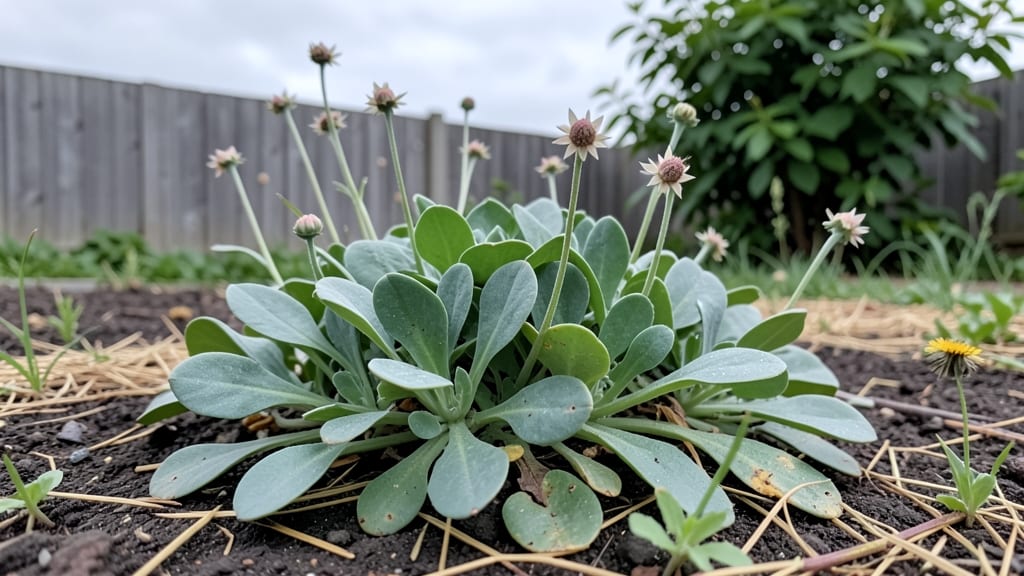
Garden sedum plants are the ultimate no-fuss ground cover—drought-proof, sun-loving, and packed with those showstopping late-season blooms. 🌿 I’ve used them to turn dry, rocky slopes into lush, colorful carpets that need almost no care, and they’ve never let me down.
The secret is in their thick, fleshy leaves that store water like little natural sponges, making them perfect for hot, dry climates or even neglected corners of the garden.
You’ll need full sun (at least 6 hours a day), well-draining soil, and patience—because sedum spreads slowly but steadily. Plant them in spring or early fall, spacing them 12-18 inches apart for a dense look, and watch them fill in over time.
Varieties like ‘Autumn Joy’ or ‘Dragon’s Blood’ add height and drama, while creeping types like ‘Angelina’ stay low and spread like a living carpet.
Watering is where sedum shines: once established, they’ll survive on rain alone in most climates. Overwatering is the only real mistake—it causes root rot faster than you’d think. A quick trim after blooming keeps them tidy, and you’ll get bold fall color that lasts weeks longer than most annuals.
These plants are the definition of "plant it and forget it," but with stunning results.
Perfect for slopes, borders, or even between stepping stones, sedum adapts to almost any spot. Whether you’re fixing a bare patch or adding year-round interest, they’re the workhorse of the drought-tolerant garden. Let’s get yours growing!
📚 In This Guide
- What you need
- Instructions
- Tips and common mistakes
- Wrapping up and next steps
What you need
- ● Sedum plants: 6–12 mature sedum plants (e.g., Sedum spurium, Sedum ‘Dragon’s Blood’, or Sedum ‘Autumn Joy’) for full coverage in a 4’x4’ area.
- ● OR 1 lb of sedum seeds (if starting from scratch).
- ● Soil: Well-draining potting mix or native soil amended with: 50% compost (for nutrients).
- ● 30% coarse sand or perlite (for drainage).
- ○ 20% garden soil (optional, if native soil is heavy).
- ● Tools: Garden trowel or transplanter.
- ● Hand pruners (for trimming).
- ● Garden gloves (to protect your hands).
- ● Watering can or hose with a gentle spray nozzle.
- ● Measuring tape (to space plants 12–18” apart).
- ● Mulch (gravel or bark chips) to suppress weeds and retain moisture.
- ● Organic fertilizer (balanced 10-10-10 or slow-release granules).
- ● Drip irrigation system (for automated watering in dry climates).
- ● Plant labels (to track varieties if testing multiple sedums).
- ● Edging stones (for a polished look in garden beds).
Step-by-Step guide to planting and maintaining garden sedum
Here's how to create a stunning, low-maintenance sedum ground cover that stays lush even through drought.
🌱 Step 1: Prepare Your Planting Site
Sedum thrives in well-draining soil, so choose a spot with full sun to partial shade—at least 4-6 hours of direct sunlight daily. Clear the area of weeds and rocks, then loosen the top 6 inches of soil with a garden fork. This ensures roots can spread easily without competing with compacted earth.
If your soil drains poorly, mix in 1 part coarse sand or perlite to 3 parts existing soil. Sedum hates soggy roots, and this adjustment prevents rot. I always test drainage by digging a 6-inch hole, filling it with water, and watching how quickly it drains—if it takes longer than 30 minutes, amend the soil further.
🪴 Step 2: Plant Sedum Correctly for Spread
Dig holes 12-18 inches apart for a dense ground cover, or 18-24 inches apart if you prefer a more open look. Place each sedum plant so the top of its root ball sits just below soil level—burying too deep can suffocate the crown. Gently spread the roots outward before backfilling with soil.
Press the soil firmly around each plant to eliminate air pockets, but don’t compact it heavily. Water deeply after planting to settle the soil and encourage root contact. You’ll know it’s right when the soil surface looks slightly firm but still crumbly. Mulch with 1-2 inches of gravel or bark to suppress weeds and retain moisture without smothering the plants.
☀️ Step 3: Water and Fertilize for First-Year Success
Water newly planted sedum once a week for the first month, then taper to every 2-3 weeks once established. Sedum’s drought tolerance kicks in after the first year, but young plants need consistent moisture to root deeply. Water in the early morning to reduce evaporation and fungal risks.
Skip heavy fertilizers—sedum grows best in lean soil. A single application of 5-10-5 slow-release fertilizer at planting is enough. Over-fertilizing leads to floppy, weak growth instead of the compact, upright plants you want. After the first year, you can stop fertilizing entirely unless your soil is extremely poor.
✂️ Step 4: Prune and Maintain for Long-Term Beauty
Cut back dead foliage in early spring before new growth appears, using clean pruners to trim 1-2 inches above the base. This encourages fresh, vibrant growth and prevents leggy stems. Sedum rarely needs pruning after establishment, but if it spreads too aggressively, divide clumps in spring or fall by digging up sections and replanting them.
Watch for powdery mildew in humid climates—it appears as a white coating on leaves. Improve airflow by thinning crowded plants and avoid overhead watering. If mildew appears, treat with a neem oil solution (1 tablespoon per gallon of water) and remove heavily infected leaves immediately. With minimal care, your sedum will reward you with years of vibrant, drought-resistant color.
Tips & tricks for perfect garden sedum planting
Transforming your garden into a drought-resistant masterpiece starts with these game-changing strategies for sedum success.
Soil Science Matters: The 30-minute drainage test in Step 1 is non-negotiable—sedum roots will rot if water pools. For heavy clay soils, consider adding 2 parts coarse sand instead of 1:3 ratio to improve aeration. I've seen sedum thrive in amended soil that drains within 10 minutes, creating the perfect root environment.
Planting Precision: When spacing your sedum in Step 2, think about your long-term vision. For a dense carpet effect, stick to the 12-18 inch spacing, but if you want individual plants to stand out, go for 24-30 inches. The key is positioning the root ball just below soil level—this prevents crown rot while allowing roots to establish properly.
Watering Wisdom: The once-weekly watering in Step 3 is perfect for most climates, but in extreme heat (above 90°F), increase to every 3-4 days during the first month. Always water at soil level rather than overhead to prevent fungal spores from settling on leaves. I've found that morning watering not only reduces evaporation but also gives leaves time to dry completely before evening humidity sets in.
Pruning Pro Tips: That 1-2 inch pruning in Step 4 might seem drastic, but it's what creates those thick, bushy plants we love. Use sharp, clean pruners and make cuts at a 45-degree angle just above a leaf node to encourage new growth. For aggressive spreaders, consider dividing clumps in early spring—this rejuvenates older plants while giving you free propagation material.
Pro Tips for Garden Sedum Plants
- Transforming your garden into a drought-resistant masterpiece starts with these game-changing strategies for sedum success.
- Soil Science Matters: The 30-minute drainage test in Step 1 is non-negotiable—sedum roots will rot if water pools.
- Planting Precision: When spacing your sedum in Step 2, think about your long-term vision.
Frequently asked questions
How fast does sedum spread, and can I control its growth?
Sedum spreads moderately—about 6–12 inches per year under ideal conditions. To control it, divide clumps every 2–3 years or trim back overgrowth in early spring. For tighter borders, plant in containers or edging barriers. Pro tip: Space plants 12–18 inches apart to reduce competition.
When is the best time to plant sedum for year-round coverage?
Plant sedum in early spring or fall (4–6 weeks before the first frost) for the best root establishment. Avoid summer heatwaves, which can stress young plants. If using it as a living mulch, stagger plantings in spring and late summer to ensure continuous ground cover.
Are sedum plants prone to pests or diseases? How do I prevent them?
Sedum is highly resistant to pests and diseases, but aphids or snails may occasionally appear. To prevent issues:
- Ensure good airflow (avoid overcrowding).
- Water at the base (not overhead) to deter slugs.
- Remove dead foliage in early spring to reduce hiding spots.
How often should I water sedum once established?
Once mature, sedum is drought-tolerant—water only when the soil is completely dry (typically every 2–3 weeks in hot climates). New plants need weekly watering for the first month. Overwatering can cause root rot, so prioritize well-draining soil.
Can I use sedum as a low-maintenance alternative to grass?
Sedum thrives in poor soil, requires no mowing, and stays green (or colorful) year-round. For a grass-like look, choose ‘Dragon’s Blood’ or ‘Angelina’ varieties. Combine with clover or creeping thyme for texture. Bonus: It’s pet-friendly and supports pollinators!
Wrapping up and next steps
Garden sedum plants are the ultimate low-maintenance, drought-resistant stars for any landscape—whether you're a seasoned gardener or just starting out! 🌿 Their vibrant colors, hardy nature, and year-round beauty make them a must-have for effortless ground cover.
With the right care (and a little patience), they’ll reward you with a lush, thriving garden that’s as resilient as it is stunning.
Ready to transform your space? Start small—pick a sunny spot, prep the soil, and plant your sedum today! Before you know it, you’ll have a green thumb’s dream that’s practically self-sustaining. Happy gardening! 🌸