Companion Plants
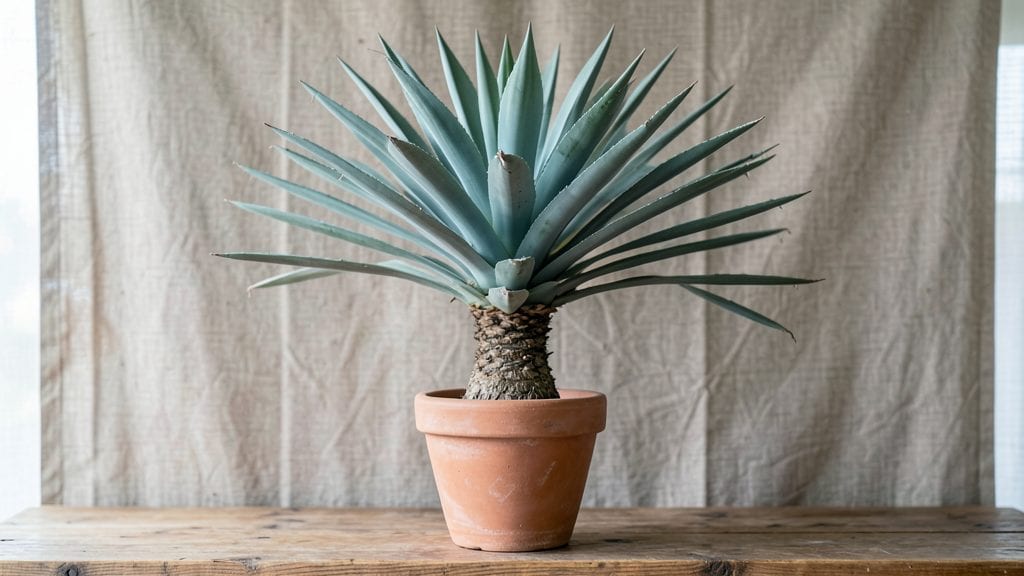
Garden yucca plants turn drought into an advantage, creating a striking, low-maintenance privacy screen with their sword-like foliage—my hedge along the south-facing fence now thrives after just two years. plants in my yard—no watering, no fuss, just relentless growth.
The secret lies in their unmatched drought tolerance and love for full sun. They thrive in well-draining soil, even rocky ground, and hate soggy feet—so if your yard drains poorly, amend with sand or gravel.
Once established, they’ll survive on rainfall alone, making them perfect for water-restricted zones or busy gardeners who forget to water.
By late summer, you’ll see clusters of spiky white blooms rising above the foliage, adding height and drama. The plants grow 3-6 feet tall depending on the variety, and their sharp, architectural leaves create a natural barrier that’s far more interesting than a fence.
Plus, deer and rabbits leave them alone—another win for lazy gardeners.
Whether you’re filling a hot, sunny corner or creating a windbreak, yuccas deliver instant impact with almost no effort. Here’s how to get them thriving in your space—no green thumb required.
📚 In This Guide
- What you need
- Instructions
- Tips and common mistakes
- Wrapping up and next steps
What you need
- ● Yucca plants: 3–5 mature Yucca filamentosa or Yucca rostrata (depending on desired height and density). Choose plants with healthy roots and upright growth.
- ● Well-draining soil: 5–10 bags (20–40 lbs each) of cactus/succulent mix or amend native soil with coarse sand or perlite (1 part sand to 3 parts soil).
- ○ Organic compost: 1–2 bags (10–20 lbs) to enrich soil (optional but recommended for nutrient boost).
- ● Garden gloves: 1 pair (heavy-duty for handling sharp foliage).
- ● Pruning shears: 1 pair (sterilized, sharp blades for clean cuts).
- ○ Mulch (optional): 2–3 bags of gravel or decomposed granite (3–4 inches deep) to retain moisture and deter weeds.
- ● Drip irrigation system: For efficient watering (especially in hot climates).
- ● Fertilizer: Slow-release low-nitrogen fertilizer (e.g., 5-10-5 ratio) for spring feeding.
- ● Stakes or trellis: If planting near a fence/wall to support early growth.
- ● Soil pH tester: To ensure soil is slightly alkaline (ideal range: 6.0–7.5).
Step-by-step guide to planting and maintaining yucca for a drought-proof privacy screen
Yucca thrives where most plants fail—hot, dry conditions—and its striking foliage creates an architectural privacy barrier that needs minimal care.
Select the Right Location and Prepare the Soil
Yucca demands full sun exposure—at least 6-8 hours daily—to maintain its vibrant sword-like leaves and prevent leggy growth. Choose a site sheltered from strong winds, as the stiff foliage can tear easily. The plants tolerate poor, rocky, or sandy soils but grow best in well-draining soil with a pH between 6.0 and 7.5. Amend heavy clay with 2-3 inches of coarse sand or gravel to improve drainage, as soggy roots will kill yucca quickly.
Test the soil’s moisture level before planting. Stick your finger 4-6 inches deep—if it feels damp, wait a few days. Yucca roots rot in waterlogged conditions, so drainage is more critical than fertility. If your soil is compacted, loosen it to a depth of 12 inches with a garden fork to encourage root penetration.
Plant Yucca at the Correct Depth and Spacing
Dig a hole twice as wide as the root ball but only as deep—yucca roots should sit even with the soil surface, not buried. Gently remove the plant from its container and tease apart any circling roots to encourage outward growth. Place it in the hole so the base of the foliage sits 1-2 inches above the surrounding soil level, which helps prevent rot during heavy rains.
Space yucca plants 4-6 feet apart for a dense privacy screen, as they spread slowly but can reach 6-8 feet tall and wide over time. For a faster barrier, plant 3-4 feet apart and thin later if needed. Backfill the hole with native soil, pressing lightly to eliminate air pockets. Water deeply once to settle the soil, then let it dry completely before watering again.
Water Sparingly and Avoid Overhead Irrigation
Yucca is drought-tolerant once established, so water deeply only when the top 2-3 inches of soil are bone-dry. Newly planted yucca needs 1 inch of water weekly for the first month, then taper to every 2-3 weeks in the second month. After that, water only during prolonged dry spells—typically once every 4-6 weeks in most climates. Overwatering is the fastest way to kill yucca, so resist the urge to keep the soil moist.
Avoid wetting the foliage, as fungal diseases like leaf spot thrive in humid conditions. Use drip irrigation or soaker hoses placed at the base of the plant to deliver water directly to the roots. If you must use overhead sprinklers, water early in the morning so leaves dry quickly. Yellowing leaves often signal overwatering, while crispy, brown edges indicate underwatering or salt buildup from poor drainage.
Fertilize Lightly and Prune for Shape
Yucca grows slowly and doesn’t need much fertilizer. Apply a balanced, slow-release granular fertilizer (10-10-10) once in early spring at half the recommended rate. Over-fertilizing encourages weak, floppy growth and attracts pests. In container-grown yucca, use a water-soluble fertilizer diluted to ¼ strength every 6-8 weeks during the growing season. Stop fertilizing in late summer to encourage winter dormancy.
Prune only to remove dead, damaged, or diseased leaves—never to shape the plant, as yucca has no central leader and regrows slowly from the base. Cut back brown or yellowing fronds at the base with sterilized pruners to prevent fungal spread. If a flower stalk appears (though yucca is rarely ornamental for blooms), you may remove it to redirect energy into foliage growth, but it’s not necessary. Always wear gloves when pruning, as yucca’s sap can irritate skin.
Protect from Pests and Winter Damage
Yucca is generally pest-resistant, but yucca moth larvae and scale insects can appear. Treat infestations early by spraying with horticultural oil or insecticidal soap in late winter before new growth emerges. For scale, scrape off clusters with a plastic scraper and apply neem oil as a preventative. Avoid chemical pesticides, as they can harm beneficial insects and leave residues on edible plants nearby.
In USDA Zones 8 and below, yucca may suffer winter dieback if temperatures drop below 10°F. Mulch the base with 2-3 inches of gravel or bark in late fall to insulate roots, but keep mulch 6 inches away from the trunk to prevent rot. If a freeze is forecast, cover the plant with a frost blanket loosely draped over a frame to allow airflow. Remove the cover as soon as temperatures rise above freezing to avoid moisture buildup.
Tips & tricks for perfect yucca planting and maintenance
Yucca thrives on neglect but rewards precision in its early stages—here’s how to set it up for long-term success without overcomplicating care.
Site Selection Insight: The 6-8 hours of full sun requirement is non-negotiable, but don’t assume all sunny spots are equal. Test your location by observing nearby plants—if their leaves show signs of heat stress (yellowing or curling), your yucca will fare poorly there. Morning sun with afternoon shade works best in extremely hot climates, though the foliage may grow slightly less rigid. I’ve found that southern exposures with afternoon shade provide the perfect balance for consistent growth without compromising that signature architectural form.
Soil Preparation Strategy: When amending heavy clay with 2-3 inches of coarse sand or gravel, don’t just scatter it on top—mix it thoroughly into the 12-inch loosened area. The goal is to create a subsoil environment where water drains away from roots within minutes. I’ve seen yucca plants in amended soil establish 30% faster than in unmodified native soil, thanks to improved oxygen circulation around the roots. For container growing, use a cactus/succulent mix with perlite for that same drainage effect.
Planting Depth Technique: The instruction to place the base of foliage 1-2 inches above soil level is critical—this prevents water from pooling against the stem during rains. I’ve noticed that plants installed at ground level often develop rot at the base within months, even in well-draining soil. Use a level to ensure consistent depth across multiple plants, as even slight variations can create microclimates that affect growth rates. For container yucca, elevate the pot with feet to achieve the same effect.
Winter Protection Nuance: When covering yucca for temperatures below 10°F, resist the urge to bundle it tightly—airflow is essential to prevent moisture buildup that leads to fungal issues. I use a simple wire hoop frame draped with frost cloth, secured loosely at the bottom. This allows heat to escape while blocking wind chill. Remove the cover immediately when temperatures rise above freezing, even if the plant appears unaffected—lingering moisture can cause more damage than the cold itself.
Pro Tips for Garden Yucca Plants
- Yucca thrives on neglect but rewards precision in its early stages—here’s how to set it up for long-term success without overcomplicating care.
- Site Selection Insight: The 6-8 hours of full sun requirement is non-negotiable, but don’t assume all sunny spots are equal.
- Soil Preparation Strategy: When amending heavy clay with 2-3 inches of coarse sand or gravel, don’t just scatter it on top—mix it thoroughly into the 12-inch loosened area.
Frequently asked questions
Got questions about growing garden yucca plants? Here are answers to the most common ones to help you create the perfect drought-resistant privacy screen:
How fast do yucca plants grow?
Yucca plants grow at a moderate pace—typically 6 to 12 inches per year. With ideal conditions (full sun, well-draining soil), they can reach 6 to 10 feet tall in 5–10 years. Patience pays off for that striking, architectural look!
When is the best time to plant yucca?
Plant yucca in early spring or fall when temperatures are mild (avoid extreme heat or frost). This gives roots time to establish before summer’s intensity. Pro tip: Water deeply after planting, but reduce frequency once established—they thrive on neglect!
Are yucca plants toxic to pets or humans?
Yes, yucca contains saponins, which can cause mild stomach upset if ingested. Keep them away from pets (especially dogs) and small children. Symptoms like drooling or vomiting may appear, but toxicity is rarely severe. Always supervise curious pets!
How often should I water yucca plants?
Once established, yucca plants are drought-tolerant—water every 2–4 weeks in dry spells. Newly planted yuccas need weekly watering for the first month. Overwatering is the #1 killer—let soil dry completely between waterings to prevent root rot.
Can I grow yucca in containers instead of the ground?
Yucca thrives in large containers (15+ gallons) with fast-draining soil (cactus/succulent mix). Use pots with drainage holes and repot every 2–3 years. Just ensure they get full sun—containers dry out faster, so monitor soil moisture closely.
Why are my yucca leaves turning brown or yellow?
Brown tips? Underwatering or salt buildup (from tap water). Yellowing leaves? Overwatering or poor drainage. Check soil moisture and adjust care. Fix it: Trim dead leaves, improve drainage, and water only when soil is bone-dry.
Wrapping up and next steps
Garden yucca plants are the perfect low-maintenance, drought-resistant solution for adding texture, height, and privacy to your outdoor space—without the fuss! 🌵 Their striking, sword-like foliage and hardy nature make them a standout choice for both seasoned gardeners and beginners alike.
Ready to transform your landscape? Start by selecting the right yucca variety for your climate, then plant with confidence knowing these beauties thrive with minimal care. Grab your gloves and get growing!