
Companion Plants
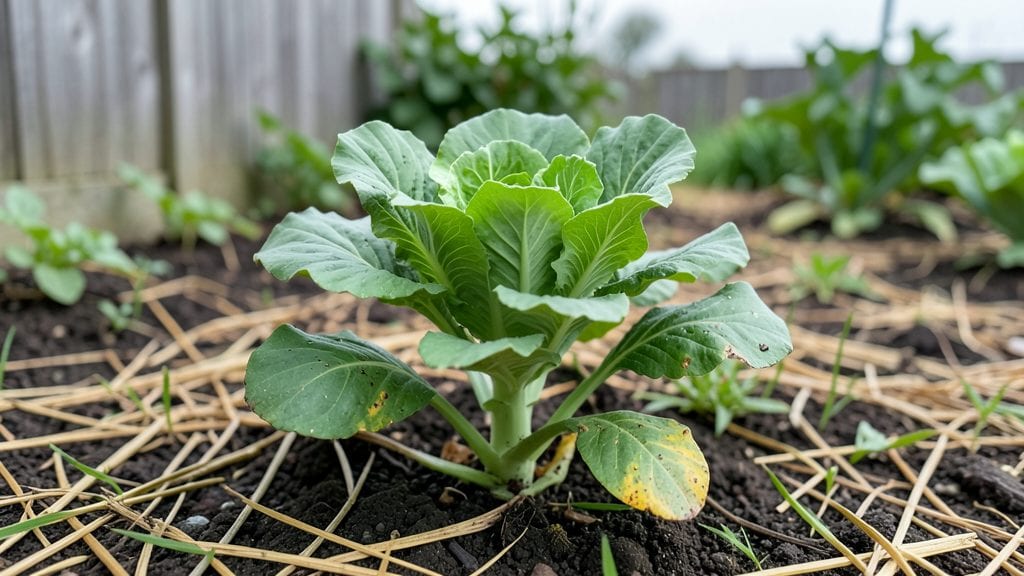
My first garden plants were so easy, even my black thumb couldn’t kill them—and I’ve since grown dozens of varieties that beginners love. 🌱 These resilient picks thrive with minimal fuss, whether you’re working with a sunny patch, a shady corner, or just a few containers on a balcony.
The secret isn’t complicated: choose plants that match your space and stick to basic care routines.
Start with lettuce (harvest in 30 days), basil (grows like a weed in pots), or marigolds (repel pests naturally). All three tolerate imperfect conditions—lettuce handles partial shade, basil recovers from missed waterings, and marigolds bloom nonstop with almost no attention.
For vegetables, radishes (ready in 25 days) and bush beans (no trellis needed) are foolproof choices that reward patience with fast, flavorful results.
You’ll end up with lush greens, fragrant herbs, and cheerful flowers that actually stay alive—no wilting, no mystery diseases, just steady growth. The key is avoiding overwatering (most beginners drown plants) and giving roots room to breathe (crowded pots invite trouble).
By summer’s end, you’ll have a garden that looks intentional, even if you’re still learning the ropes.
Works for any skill level, from city balconies to backyard plots. Once you master these, you’ll be ready to tackle slightly trickier varieties with confidence. Let’s get those seeds in the ground!
📚 In This Guide
- What you need
- Instructions
- Tips and common mistakes
- Wrapping up and next steps
What you need
- ● Seeds or seedlings: Choose from easy-to-grow plants like marigolds, sunflowers, basil, mint, or lettuce. Start with 5–10 plants for a small garden.
- ● Potting soil: 1–2 bags (10–20 lbs) of well-draining, organic potting mix (avoid garden soil for containers).
- ● Containers or garden beds: Containers: 5–10 pots (5–10 inches deep) with drainage holes. Plastic, terracotta, or fabric grow bags work!
- ● Garden beds: A 4’x8’ raised bed or in-ground plot with loose, fertile soil.
- ● Watering can or hose: A gentle spray nozzle (or a watering can with a long spout) to avoid disturbing seedlings.
- ● Fertilizer: A balanced, slow-release fertilizer (10-10-10 or organic options like compost tea). Follow package rates.
- ● Gloves & kneeling pad: Protect your hands and knees—gardening gloves and a foldable pad are game-changers!
- ● Mulch: Straw or shredded leaves to retain moisture and suppress weeds.
- ● Plant markers: Small stakes or labels to track what you’ve planted (DIY with popsicle sticks!).
- ● Pruners or scissors: For trimming dead leaves or harvesting herbs.
- ● Sunlight meter: To check light exposure (6+ hours of sun for most veggies/flowers).
- ● Companion plant guide: A handy chart to pair plants that thrive together (e.g., basil + tomatoes).
Step-by-step guide to selecting and planting no-fail beginner garden plants
Let’s focus on resilient plants that reward even the greenest thumbs with vibrant growth.
🌱 Step 1: Choose the Right Plants for Your Conditions
Start with sun-loving perennials like catmint, lavender, or Russian sage—they thrive in full sun and drought once established. For shadier spots, opt for hostas or astilbes, which tolerate lower light and occasional neglect. I always check my garden’s light conditions first: measure how many hours of direct sun each area gets daily. If you’re unsure, place a plant in the spot for a week and observe how it behaves.
Herbs like thyme, oregano, and parsley are foolproof for containers or garden beds—they’re drought-tolerant, pest-resistant, and come back year after year. These plants also double as pollinator magnets, so you’ll see bees and butterflies visiting within weeks of planting. Avoid fussy annuals like petunias or impatiens unless you’re committed to daily watering and deadheading.
🪴 Step 2: Prepare the Soil for Easy Establishment
Amend your native soil with 3 inches of compost to improve drainage and fertility. I like to mix it in with a garden fork until the soil looks dark and crumbly. For containers, use a high-quality potting mix with added perlite for aeration—never garden soil, which compacts and suffocates roots. Test your soil’s moisture by squeezing a handful: if it holds together but doesn’t drip, it’s ready for planting.
For perennials, dig holes twice as wide as the root ball but only as deep as the container they came in. Loosen the roots gently if they’re circling tightly—this encourages outward growth instead of strangling the plant. Water the hole before placing the plant inside to eliminate air pockets. Tap the soil lightly after filling to settle it around the roots, but don’t pack it down.
☀️ Step 3: Plant and Water for Immediate Success
Place each plant at the same depth it was growing in its container, with the top of the root ball level with the soil surface. Space perennials 12-18 inches apart (check the plant tag for specifics) to allow airflow and reduce disease risk. I always water deeply right after planting—this helps settle the soil and encourages roots to spread quickly. Use a slow, deep watering (about 1 gallon per plant) rather than a quick sprinkle.
Mulch around the base with 2-3 inches of organic mulch (like shredded bark or straw) to retain moisture and suppress weeds. Keep the mulch 2 inches away from plant stems to prevent rot. Water again in 7-10 days to check for dryness—if the top inch of soil feels dry, it’s time to water. This schedule prevents overwatering, which is the #1 killer of new plants.
🌿 Step 4: Maintain with Minimal Effort
Once established, most of these plants need water only when the soil feels dry 2 inches below the surface. I test this by sticking my finger into the soil—if it’s damp, wait another day. Fertilize lightly in spring with a balanced, slow-release fertilizer (like 10-10-10) to encourage steady growth. Avoid high-nitrogen fertilizers, which promote leafy growth at the expense of flowers or herbs.
Deadhead spent blooms regularly to encourage more flowers and prevent self-seeding (unless you want volunteers popping up everywhere). Prune leggy growth in early spring to shape the plant and stimulate bushier growth. For herbs, harvest leaves in the morning after the dew has dried—this gives you the most flavorful yield. You’ll notice new growth within 2-3 weeks of consistent care.
⏰ Step 5: Plan for Year-Round Success
Group plants with similar water and sun needs together to simplify care. For example, place lavender and rosemary near each other—they both love full sun and drought. In fall, cut back perennials like catmint or astilbes by one-third to tidy them up, but leave the stems of ornamental grasses for winter interest. Most of these plants are hardy in USDA zones 5-9, so they’ll return year after year with minimal effort.
Take notes on what thrives and what struggles—this helps refine your garden plan for next season. I always photograph my garden in early spring to compare growth patterns. By year two, these plants will be self-sustaining, requiring only occasional watering and the joy of watching them multiply. Real talk: once you see your first lavender bloom or thyme harvest, you’ll be hooked on gardening forever.
Tips & tricks for perfect beginner garden plants
Here's what nobody tells you about making your garden thrive with minimal effort.
Light Conditions Are Everything: Pay close attention to your garden's natural light patterns—some spots might get only morning sun while others receive strong afternoon rays. Lavender and Russian sage need a minimum of 6 hours of direct sun daily, while hostas and astilbes can handle partial shade (3-6 hours of sun). I've learned the hard way that moving plants after they're established can shock them, so test your spots first by observing how sunlight moves throughout the day.
Soil Prep Makes All the Difference: Don't skip the 3 inches of compost—this isn't just about nutrients, it's about creating the right texture. Your goal is soil that crumbles easily when squeezed (like a damp sponge). For containers, that high-quality potting mix with perlite is non-negotiable—it prevents compaction that would strangle your plants' roots. I always mix in a handful of worm castings for extra microbial activity that helps roots establish faster.
Planting Depth and Spacing Secrets: When you're planting those perennials, the twice-as-wide holes aren't just for roots—they create space for soil microbes to colonize. And that 12-18 inch spacing between plants? It's not arbitrary—it gives each plant room to grow without competing for water and nutrients. I've seen gardeners crowd plants too closely, which leads to fungal issues from poor airflow. Remember, you can always add more plants later, but you can't undo overcrowding.
Watering Wisdom: That initial 1 gallon per plant deep watering isn't just about hydration—it's about encouraging roots to grow deep rather than staying shallow. The 7-10 day check is crucial too; many beginners overwater because they check surface moisture only. Stick your finger 2 inches down—that's where the real story happens. I've seen plants die from both overwatering and underwatering, but this method has saved me countless times.
Pro Tips for Beginner Garden Plants
- Here's what nobody tells you about making your garden thrive with minimal effort.
- Light Conditions Are Everything: Pay close attention to your garden's natural light patterns—some spots might get only morning sun while others receive strong afternoon rays.
- Soil Prep Makes All the Difference: Don't skip the 3 inches of compost—this isn't just about nutrients, it's about creating the right texture.
Frequently asked questions
Got questions about starting your beginner garden? You’re not alone!
Here are answers to the most common queries to help you grow with confidence—no green thumb required.
What are the easiest plants for a beginner to grow?
Start with low-maintenance superstars like succulents (e.g., snake plant or jade), herbs (basil, mint, or parsley), or veggies (lettuce, radishes, or cherry tomatoes). These thrive in partial sun, need minimal water, and forgive occasional neglect. Pro tip: Choose plants labeled “beginner-friendly” or “disease-resistant” at your local nursery!
When is the best time to plant beginner-friendly garden plants?
Timing depends on your climate, but spring (after the last frost) and early fall (6-8 weeks before first frost) are ideal for most. Cool-season crops (like spinach or kale) can handle light frosts, while warm-season plants (tomatoes, peppers) need soil temps above 60°F. Check your USDA zone for precise guidance!
How often should I water beginner garden plants?
New plants need 1–1.5 inches of water per week, but frequency varies: succulents thrive on deep watering every 2–3 weeks, while herbs and veggies prefer daily moisture in hot weather. Test soil moisture—stick your finger 1 inch down; if dry, it’s time to water!
What do I do if my beginner plants get pests or diseases?
Don’t panic! Start with prevention: neem oil spray (for pests) or proper spacing (to reduce humidity-based diseases). For mild issues, handpick bugs or wipe leaves with soapy water. If problems persist, identify the issue (check leaves for holes, spots, or wilting) and treat with organic solutions like baking soda (for fungus) or diatomaceous earth (for insects).
Can I grow beginner plants in containers or do I need a yard?
What if my beginner plants don’t grow like in the pictures?
Even “no-fail” plants need patience and basic care. Compare your plant’s growth stage to reference photos—slow growth might mean low light, over/under-watering, or poor soil. Troubleshoot by checking:
- Light: Are they in the right spot?
- Water: Is soil soggy or bone-dry?
- Soil: Is it nutrient-rich and well-draining?
Wrapping up and next steps
Starting a garden as a beginner doesn’t have to feel overwhelming—with the right beginner garden plants, you can enjoy lush greenery year-round with minimal fuss! 🌱 From hardy herbs like mint to resilient succulents and low-maintenance veggies, these plants are perfect for building confidence and reaping rewards.
Remember, every expert gardener began exactly where you are now.
Now that you’re armed with knowledge, take the next step: pick one or two plants from this list and give them a try! Start small, keep a journal of your progress, and don’t hesitate to ask for advice from local gardening groups or online communities.
Happy planting—your green thumb is just waiting to bloom! 🌿