
Tools
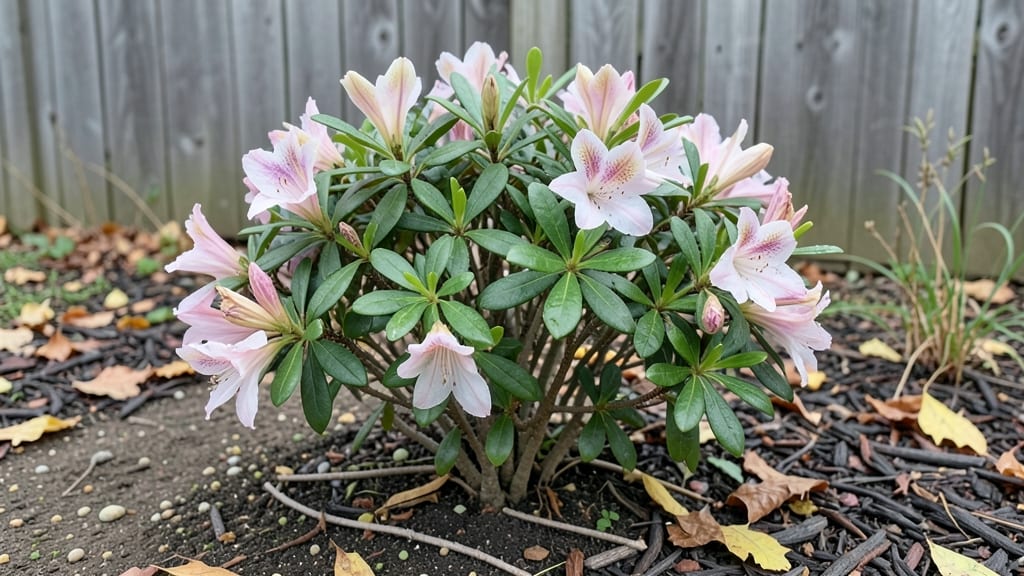
The garden rainbow azalea turns any yard into a living watercolor with its jewel-toned blooms that seem too vibrant to be real. 🌿 I still remember the first time I saw one in full bloom—pink, purple, and red flowers all on the same bush, as if a painter had dipped their brush into a palette of springtime.
This isn’t just another shrub; it’s a statement piece that demands attention while staying effortlessly elegant.
What makes it so special is how well it plays with others. Pair it with dwarf conifers for a structured border, or let it mingle with hostas and ferns for a lush, cottage-garden feel.
In partial shade, it thrives where many plants struggle, and its fragrant blooms attract hummingbirds all season long. The key? Plant it where you’ll see it daily—it’s the kind of shrub that makes neighbors stop and ask, "What is that?"
You’ll love how it holds its color for weeks, even in heat waves, and how its evergreen foliage keeps the garden looking polished year-round. The only real secret?
A little mulch to keep roots cool and regular watering to encourage those bold blooms. Once established, it’s nearly foolproof—just sit back and enjoy the show.
Perfect for foundation plantings, woodland gardens, or even as a dramatic container specimen. Let’s make your garden the envy of the block with this showstopper.
📚 In This Guide
- What you need
- Instructions
- Tips and common mistakes
- Wrapping up and next steps
What you need
- ● Garden Rainbow Azalea Plants: 3–5 plants (choose from varieties like Rhododendron indicum or Rhododendron simsii for maximum color contrast). Opt for bare-root (spring) or container-grown (year-round) plants.
- ○ Well-draining acidic soil: Aim for a pH of 4.5–6.0. Mix 2 parts peat moss or pine bark with 1 part garden soil (optional: add sulfur to adjust pH if needed).
- ● Organic mulch: 3–4 inches of pine needles, wood chips, or shredded bark to retain moisture and acidity.
- ● Slow-release fertilizer: Azalea-specific 10-10-10 or 8-3-9 (apply in early spring).
- ● Watering can or hose with a gentle spray nozzle: Azaleas hate soggy roots!
- ● Gloves and pruning shears: Sterilized (rubbing alcohol wipe) to prevent disease.
- ● Soil pH test kit: Ensures your soil stays in the ideal acidic range.
- ● Epsom salt (magnesium sulfate): Boosts blooms if plants look lackluster (1 tbsp per gallon of water, applied monthly).
- ● Drip irrigation system: Automates watering for consistent moisture.
- ● Decorative rocks or pebbles: Adds a polished look to mulch layers.
- ● Neighboring acid-loving plants: Hydrangeas, camellias, or ferns for a cohesive garden rainbow effect!
Step-by-step guide to planting and caring for garden rainbow azaleas
Here’s how to cultivate these stunning, fragrant shrubs with vibrant blooms that last all season.
🌱 Step 1: Select the Perfect Planting Site
Rainbow azaleas thrive in partial shade, with 4-6 hours of morning sun and afternoon dappled light. Avoid harsh afternoon sun, which can scorch delicate blooms. I always choose a spot with well-draining soil—azaleas hate soggy roots. Test your soil by digging a 1-foot hole; if water pools after 10 minutes, amend the area with 2-3 inches of organic matter (like compost or peat moss) to improve drainage.
These shrubs prefer acidic soil (pH 4.5-6.0). If your soil is alkaline, mix in sulfur or pine needles to lower the pH before planting. I like to plant mine near patios or walkways so I can enjoy their intoxicating fragrance while passing by. Mulch heavily with pine bark or wood chips to keep roots cool and retain moisture.
🪴 Step 2: Plant with Care for Long-Term Health
Dig a hole twice as wide as the root ball but no deeper—planting too deep suffocates roots. Gently loosen the roots if they’re circling the pot, then place the azalea in the center. Backfill with the native soil (mixed with 1 part peat moss for acidity) and tamp lightly to remove air pockets. Water deeply to settle the soil around the roots.
I always add a slow-release azalea fertilizer at planting time to give the shrub a nutrient boost. Space plants 3-5 feet apart to allow for mature growth. Avoid disturbing the root ball—these shrubs establish slowly, and rough handling can set them back for years.
☀️ Step 3: Water Deeply and Maintain Soil Moisture
Water once a week (or more in extreme heat) to keep the soil evenly moist but not soggy. Azaleas need consistent moisture, especially during the first growing season. I check soil moisture by sticking my finger 2 inches deep—if it’s dry, it’s time to water. Overwatering is worse than underwatering; these shrubs despise wet feet.
Mulch with 3-4 inches of pine bark to conserve moisture and regulate soil temperature. Refresh the mulch annually in early spring. Avoid letting mulch pile against the trunk—keep it 2-3 inches away to prevent rot. In winter, add an extra layer of mulch to protect roots from freezing temperatures.
✂️ Step 4: Prune for Shape and Future Blooms
Prune azaleas right after flowering (late spring to early summer) to shape the shrub and encourage next year’s blooms. Remove dead, crossing, or weak branches first, then thin out crowded areas to improve airflow. Never prune into old wood—new growth only comes from current-season stems.
I like to trim back leggy growth to maintain a compact shape. Avoid heavy pruning; azaleas bloom on last year’s wood, so aggressive cuts reduce next season’s flowers. Use clean, sharp pruners to make cuts at a 45-degree angle just above a bud. Sterilize your tools with rubbing alcohol between cuts to prevent disease spread.
🌿 Step 5: Feed and Protect for Year-Round Beauty
Fertilize twice a year: once in early spring (just as buds swell) and again in late summer (after flowering). Use an acid-loving plant fertilizer with low phosphorus—too much phosphorus reduces blooms. I scatter granules around the drip line and water deeply to activate them. Avoid high-nitrogen fertilizers, which promote leafy growth at the expense of flowers.
Watch for lace bugs or azalea gall, common pests that can defoliate or deform leaves. Treat infestations early with neem oil or insecticidal soap. If leaves yellow between veins, it’s likely iron chlorosis—a sign of alkaline soil. Amend the soil with chelated iron or sulfur to correct the issue. With proper care, your azaleas will reward you with bold, fragrant blooms for decades.
Tips & tricks for perfect garden rainbow azalea care
A few strategic moves will ensure your rainbow azaleas flourish with vibrant blooms and robust health for years to come.
Soil Test Matters: Before planting, conduct a simple soil test to confirm the pH level. I use a basic test kit available at garden centers—it's worth the $10 to avoid years of struggling with poor growth. If your soil tests above 6.0, amend with elemental sulfur (follow package instructions) or mix in 2-3 inches of pine needles to gradually acidify the soil. This step is critical because alkaline soil causes iron chlorosis, where leaves turn yellow between veins while remaining green near the edges.
Root Ball Handling: When removing your azalea from the nursery pot, gently squeeze the sides to loosen the root ball—this prevents root circling, which can strangle growth. In Step 2, if you notice roots growing in tight circles, use your fingers to tease them outward before planting. I've seen azaleas planted with circling roots struggle for years, while properly loosened roots establish within months. The key is to work gently; these roots are delicate.
Watering Wisdom: The once-a-week watering guideline in Step 3 works for average conditions, but adjust based on your climate. In extreme heat, check soil moisture every 2-3 days—stick your finger 2 inches deep as instructed. If the soil feels dry at this depth, water deeply until moisture reaches 6 inches down. Overwatering is the #1 killer of azaleas; soggy roots lead to root rot and fungal diseases. I always water in the morning to reduce evaporation and fungal risks.
Pruning Precision: When pruning in late spring (Step 4), focus on creating an open center to improve airflow. I like to step back and visualize the shrub's natural shape—remove branches that cross or grow inward. For leggy growth, trim back to just above a leaf bud, but never cut into old wood. The 45-degree angle mentioned in the instructions helps water run off the cut, preventing rot. Sterilize your pruners between cuts with rubbing alcohol to prevent spreading disease from any infected branches.
Pro Tips for Garden Rainbow Azalea
- A few strategic moves will ensure your rainbow azaleas flourish with vibrant blooms and robust health for years to come.
- Soil Test Matters: Before planting, conduct a simple soil test to confirm the pH level.
- Root Ball Handling: When removing your azalea from the nursery pot, gently squeeze the sides to loosen the root ball—this prevents root circling, which can strangle growth.
Frequently asked questions
Got questions about growing and caring for your garden rainbow azalea? You're not alone!
Here are some of the most common queries—plus expert answers to keep your vibrant blooms thriving all year.
How do I keep my rainbow azalea blooming year-round?
Rainbow azaleas love consistent moisture and partial shade (especially in hot climates). Prune lightly after flowering to encourage new growth, and feed with acidic, slow-release fertilizer every 2–3 months. Pro tip: Mulch with pine bark to retain acidity and moisture!
When is the best time to plant a rainbow azalea?
Plant in early spring or fall when temperatures are mild. Avoid extreme heat or frost, as these can stress the plant. Amend the soil with peat moss or compost to ensure proper drainage and acidity (pH 4.5–6.0). Warning: Never plant in full sun without afternoon shade!
Why are my azalea leaves turning yellow?
Yellow leaves usually signal overwatering, nutrient deficiency, or poor drainage. Check the soil—it should stay slightly moist but not soggy. Test your soil’s pH; if it’s too alkaline, amend with sulfur. Quick fix: Flush the soil with water to remove excess salts!
Can I grow rainbow azaleas in containers?
Use a large pot (15+ gallons) with drainage holes and acidic potting mix. Repot every 2–3 years, and fertilize regularly. Bonus: Containers let you move azaleas to optimal sunlight, protecting them from harsh conditions!
Are rainbow azaleas deer-resistant?
While not fully deer-proof, they’re less appealing than other plants due to their mildly bitter foliage. For extra protection, add deer repellent sprays or plant near strongly scented herbs like rosemary. Hot tip: Prune lower branches to deter browsing!
How do I protect rainbow azaleas from winter frost?
Mulch heavily with pine straw or leaves (3–4 inches) to insulate roots. Water deeply before the first freeze to prevent drought stress. In USDA Zones 6–8, young plants may need burlap wraps or frost cloth. Pro move: Group plants together for shared warmth!
Wrapping up and next steps
Transforming your garden with garden rainbow azaleas is a rewarding journey that brings vibrant color, intoxicating fragrance, and year-round beauty—all while being surprisingly low-maintenance! Whether you’re a seasoned gardener or just starting, these stunning shrubs offer a burst of joy with minimal effort.
Now that you’re armed with the right materials and answers to common questions, it’s time to roll up your sleeves and create your own living masterpiece.
🌸 Next step: Pick your favorite rainbow azalea variety, mark your sunny spot, and get ready to watch your garden bloom with confidence and color!