Flowers
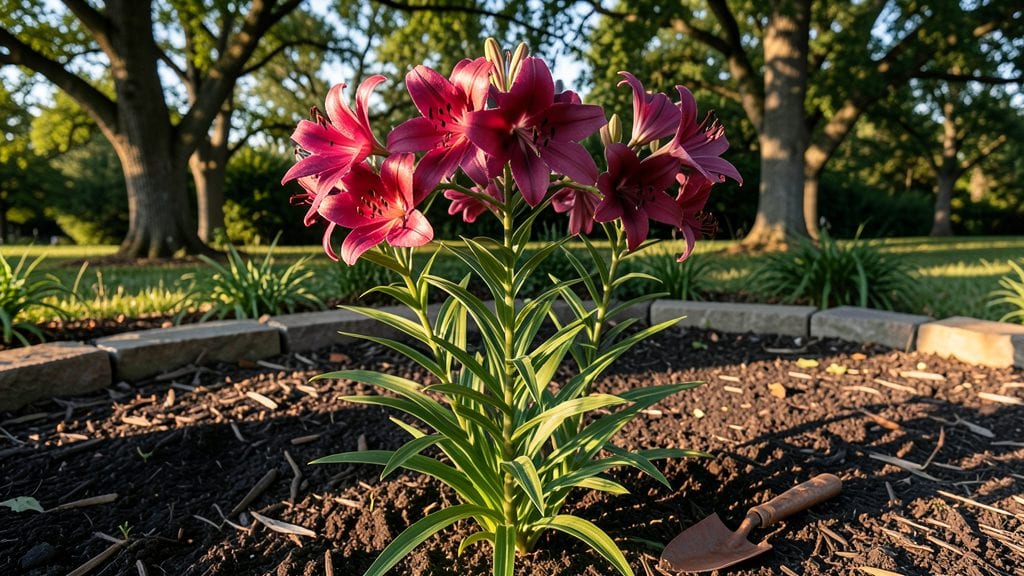
My lily garden flowers transformed my backyard from ordinary to showstopping—all with plants that return every year. 🌸 The secret lies in pairing bold blooms like Asiatic lilies with fragrant Oriental varieties, then layering them with perennials that fill gaps between seasons.
Start with a sunny spot (6+ hours of light daily) and well-draining soil—most lilies hate soggy roots. Mix in compost at planting, and space bulbs 12-24 inches apart for dramatic clusters.
For instant impact, use lilies as borders or focal points near patios, where their height (2-6 feet) draws the eye.
By summer, you’ll have velvety petals in every shade from gold to deep purple, with some varieties like 'Stargazer' filling the air with intoxicating scent. The best part? These blooms return year after year with minimal care—just divide clumps every 3-4 years to keep them thriving.
Works in cottage gardens (romantic drifts), modern designs (structured rows), or wildflower meadows (naturalized clusters). Here’s how to make them the star of your space without the fuss.
📚 In This Guide
- What you need
- Instructions
- Tips and common mistakes
- Wrapping up and next steps
What you need
- ● Lily bulbs: Choose 10–20 high-quality, disease-resistant bulbs (e.g., Stargazer, Casa Blanca, or Tiger lilies). Opt for USDA Zone 3–10 hardy varieties for year-round beauty.
- ● Well-draining soil: 5–10 bags of garden loam mixed with compost (ratio: 60% soil, 30% compost, 10% perlite or sand).
- ● Organic fertilizer: 1–2 lbs of balanced 10-10-10 or bulb-specific fertilizer (rich in phosphorus for blooms).
- ● Mulch: 3–5 cubic feet of wood chips or straw to retain moisture and regulate temperature.
- ● Garden trowel or spade: For planting bulbs (6–8 inches deep).
- ● Pruning shears: To trim dead foliage and shape plants.
- ● Watering can or hose with a gentle spray nozzle: Lilies need 1–2 inches of water weekly (adjust for rain).
- ● Garden gloves: Protect your hands while handling soil and bulbs.
- ○ Stakes or cages (optional): For tall varieties like Oriental lilies to prevent flopping.
- ● Sunlight: A full-sun to partial-shade spot (6+ hours of sunlight daily).
- ● Spacious garden bed: Lilies need 12–24 inches of spacing between bulbs to grow.
- ● Drainage: Avoid soggy soil—ensure your garden has good drainage or plant in raised beds.
How to plant and maintain a stunning lily garden
Here's the straightforward approach I use to create a fragrant, long-lasting lily garden that blooms reliably every season.
🌱 Step 1: Choose the Right Lily Varieties for Your Climate
Lilies thrive in USDA Zones 3-9, but different types have specific needs. Asiatic lilies (early summer bloomers) and Oriental lilies (late summer fragrance) are the easiest for beginners. Martagon lilies handle cooler climates better, while Trumpet lilies love heat. I always pick 3-4 varieties to ensure continuous blooms from June through September.
Check your local frost dates—most lilies need 6-8 weeks of warm soil before planting. If you're in a hot zone, plant in late summer to avoid summer heat stress. For cooler areas, spring planting after the last frost works best. This ensures roots establish before summer heat arrives.
🪴 Step 2: Prepare the Planting Site for Long-Term Success
Lilies need well-draining soil—they rot easily in soggy ground. Amend heavy clay with 2-3 inches of compost and a handful of perlite (if not in your materials list, use coarse sand instead). I dig a hole twice as wide as the lily bulb's diameter but only 6 inches deep—too deep delays blooming.
Space bulbs 8-12 inches apart for smaller varieties like Asiatics, and 12-18 inches for Trumpets or Orientals. Group similar types together so you can admire their blooms in clusters. Mulch with 2-3 inches of shredded bark after planting to retain moisture and suppress weeds—just keep it 4 inches away from stems to prevent rot.
☀️ Step 3: Plant Bulbs at the Correct Depth and Water Properly
Place each bulb with the pointy end up—this is where the shoot emerges. Cover with soil until the top of the bulb is 1-2 inches below the surface. Press gently but don't compact the soil—roots need air to grow. I plant in late afternoon to reduce stress from immediate sun exposure.
Water deeply right after planting, then again in 3-5 days to settle the soil. After that, water once a week unless your area gets 1 inch of rain—lilies hate wet feet but need consistent moisture. You'll know they're happy when new leaves emerge in 2-3 weeks and the soil feels slightly damp 1 inch below the surface.
🌿 Step 4: Provide Support and Care for Strong, Fragrant Blooms
Most lilies need sturdy support—especially Trumpets and Orientals. Install 3-foot bamboo stakes or small metal cages at planting time. As stems grow, tie them loosely with soft plant ties (never wire). This prevents wind damage and keeps blooms upright for better viewing.
Feed lilies once in early spring with a balanced 10-10-10 fertilizer (use half the recommended dose). Stop fertilizing after mid-summer—new growth then stresses the plant before winter. Deadhead spent blooms by cutting stems 1 inch above the next leaf node to encourage more flowers and prevent seed pods from draining energy.
⏰ Step 5: Protect and Prepare for Next Season's Blooms
In fall, cut back foliage to 6 inches tall after the first frost. Leave it in place—this protects the bulbs over winter. In early spring, remove the old leaves and add a 2-inch layer of mulch to insulate the soil. Lilies are hardy, but this extra care ensures stronger blooms next season.
Divide and transplant bulbs every 3-4 years when blooms become sparse. Dig carefully in early fall, separate offsets, and replant immediately. This rejuvenates the garden and prevents overcrowding. With proper care, your lilies will reward you with fragrant blooms for decades.
Tips & tricks for perfect lily garden flowers
Here's what I've learned from years of growing lily gardens—little details that make all the difference between a good garden and a spectacular one.
Variety Pairing: I always plant Asiatic lilies alongside Oriental varieties—they bloom at different times, creating a continuous show from early summer through fall. The Asiatics start in June with their bold colors, while the Orientals take over in August with their intoxicating fragrance. This sequential blooming keeps your garden vibrant for months!
Soil Test Tip: Before amending your soil with compost and perlite, do a simple pH test—lilies prefer slightly acidic to neutral soil (pH 6.0-7.0). If your soil tests higher, mix in a bit of peat moss or sulfur to adjust. I've seen lily gardens fail because the soil was too alkaline, even when everything else looked perfect.
Planting Timing Secret: The 6-8 week warm soil window is critical, but don't just guess—check your local frost dates and count backward. In my zone 6 garden, I plant Asiatics in early May and Orientals in late May to ensure they get established before summer heat arrives. For cooler zones, wait until after your last frost date, even if it means planting slightly later.
Support System: Install those 3-foot bamboo stakes at planting time, not when the stems are already growing. I drive them in gently so they don't damage the bulbs, then mark their location with small flags. This gives you a reference point when it's time to tie up the stems later. Trust me, you'll thank yourself when a summer storm hits and your lilies stay upright!
Pro Tips for Lily Garden Flowers
- Here's what I've learned from years of growing lily gardens—little details that make all the difference between a good garden and a spectacular one.
- Variety Pairing: I always plant Asiatic lilies alongside Oriental varieties—they bloom at different times, creating a continuous show from early summer through fall.
- Soil Test Tip: Before amending your soil with compost and perlite, do a simple pH test—lilies prefer slightly acidic to neutral soil (pH 6.0-7.0).
Frequently asked questions
What’s the best time to plant lily bulbs for year-round blooms?
Plant lily bulbs in early spring (March–April) or fall (September–October) for the best results. Spring planting gives lilies time to establish roots before summer heat, while fall planting (in mild climates) allows them to bloom early the following season. Avoid planting in extreme heat or frost—bulbs need stable soil temps (around 50–60°F).
How often should I water lilies, and do they need special care?
Water lilies deeply 1–2 times per week, ensuring the soil stays moist but not soggy. Mulch around the base (2–3 inches) to retain moisture and protect roots. Deadhead spent blooms to encourage more flowers and prevent seed pods from draining energy. In drought-prone areas, water more frequently but avoid wetting the foliage to prevent fungal issues like Botrytis.
Are lilies prone to pests, and how can I keep them healthy?
Lilies are tough but can attract lily beetles, aphids, or slugs. Handpick beetles early, use neem oil for aphids, and set out beer traps or copper barriers for slugs. Rotate planting locations every few years to prevent soil-borne diseases like lily mosaic virus. Healthy soil (rich in compost) and proper spacing (12–24 inches apart) also boost resilience.
Can I grow lilies in containers, or do they need garden beds?
Yes! Lilies thrive in containers (12+ inches deep) with drainage holes. Use a well-draining potting mix (add perlite or sand) and a pot slightly larger than the bulb. Asiatic and Oriental lilies are top picks for pots—they’re compact and bloom prolifically. Move containers to partial shade in summer to prevent wilting. Just remember: No lilies of the valley! They’re toxic and need different care.
Do lilies survive winter, and how should I protect them?
Most hardy lilies (like Trumpet or Martagon lilies) survive winter with 3–4 inches of mulch (straw or shredded leaves). In Zone 5 or colder, cut back foliage in late fall but leave the bulbs undisturbed. Tender varieties (e.g., Stargazer lilies) may need winter protection—bury pots deeper or lift bulbs and store them in a cool, dry place until spring.
What flowers pair well with lilies in a garden bed?
Lilies love companions! Try low-growing perennials like salvia, catmint, or daylilies to contrast their height. Daffodils or alliums deter pests and bloom earlier. For color, add black-eyed Susans, coneflowers, or ornamental grasses. Avoid heavy feeders (like hostas) that compete for nutrients—lilies prefer a balanced, slightly acidic soil (pH 6.0–7.0).
Wrapping up and next steps
Creating a stunning lily garden filled with fragrant blooms is a rewarding journey that brings year-round beauty to your outdoor space. Whether you’re a seasoned gardener or just starting, these elegant flowers offer low-maintenance charm and endless visual appeal—perfect for transforming any yard into a serene sanctuary. 🌸
Now that you’re armed with the right tools, tips, and answers to common questions, it’s time to roll up your sleeves and plant your dream garden. Start small if needed, experiment with varieties, and enjoy the process—your future blooms will thank you! Ready to begin? 🌱