
Blooming
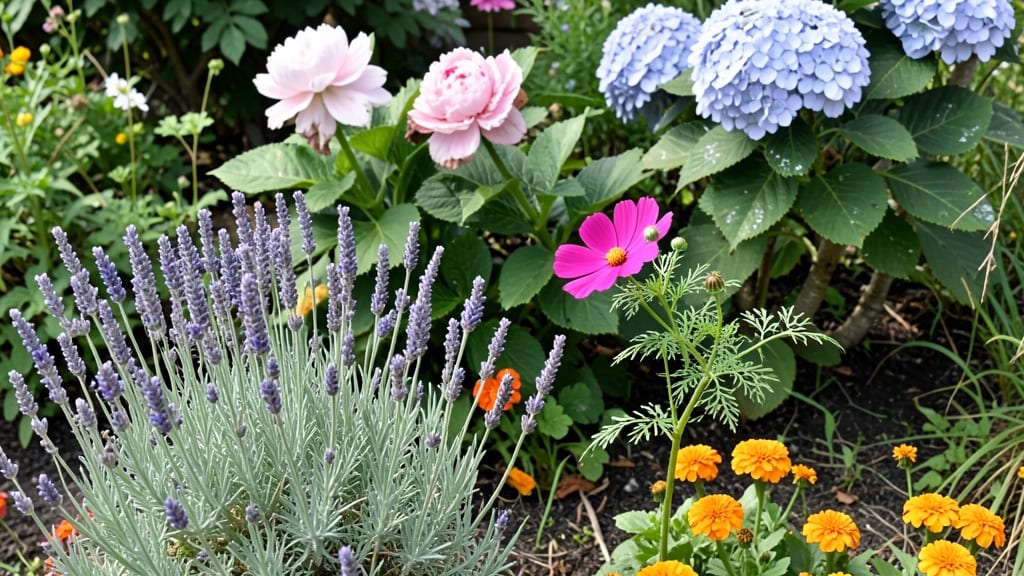
Fragrant perennials that thrive year-round can turn your garden into a sensory sanctuary. 🌿 I’ve designed my backyard around plants that bloom in every season, filling the air with lavender, roses, and honeysuckle—even when most gardens are bare.
The secret lies in layering plants with staggered bloom times and varying heights, creating a living tapestry that changes with the light.
You don’t need a sprawling estate—just a thoughtful mix of reliable perennials like peonies, coneflowers, and Russian sage. These thrive with minimal fuss, rewarding you with bold colors and intoxicating scents from spring through frost.
My 5-foot border blooms continuously, with each plant playing its part at a different time, ensuring no dead zones or color gaps.
Imagine stepping into a garden where every breeze carries a hint of vanilla, citrus, or spice—where butterflies hover over purple spikes and hummingbirds dart between crimson blooms. This isn’t just a garden; it’s a living perfume that evolves with the seasons, offering both beauty and tranquility.
The best part? Once established, these perennials demand almost no maintenance beyond occasional pruning and watering.
Whether you’re working with a cozy patio or a full yard, these fragrant combos adapt to any space. From cottage-style charm to modern minimalism, the possibilities are endless—and your garden will smell like summer all year. Let’s bring that dream to life, one bloom at a time.
📚 In This Guide
- What you need
- Instructions
- Tips and common mistakes
- Wrapping up and next steps
What you need
- ● Perennial Plants: 5–10 Lavender plants (e.g., Lavandula angustifolia, 'Hidcote' or 'Munstead' varieties)
- ● 3–5 Rosemary bushes (upright varieties like Rosmarinus officinalis 'Tuscan Blue')
- ● 4–6 Russian Sage (Perovskia atriplicifolia, 'Blue Spire' or 'Little Spire')
- ● 3–4 Dwarf Lilacs (Syringa meyeri 'Palibin', blooms early spring)
- ● 2–3 Dianthus (Dianthus gratianopolitanus, 'Firewitch' or 'Ruby Glow')
- ● 3–5 Salvia (Salvia nemorosa, 'May Night' or 'Caradonna' for late summer blooms)
- ● 2–3 Catmint (Nepeta faassenii, 'Walker’s Low' for long-lasting fragrance)
- ● Soil Amendments: 5–10 lbs. Compost or well-rotted manure (for nutrient-rich soil)
- ● 2–3 lbs. Perlite or pumice (for drainage, especially in clay-heavy soil)
- ● 1–2 lbs. Slow-release fertilizer (10-10-10 or organic options like fish emulsion)
- ● Tools: Garden trowel or hand shovel
- ● Pruning shears (bypass pruners for clean cuts)
- ● Garden gloves (to protect your hands from thorns or rough foliage)
- ● Watering can or hose with a gentle spray nozzle
- ● Measuring tape (for spacing plants 18–36 inches apart)
- ● Mulch: 2–3 bags of wood chips or straw mulch (to retain moisture and suppress weeds)
- ● Fragrance Boosters: 1–2 Thyme (Thymus vulgaris) or Oregano plants (for ground cover and scent)
- ● 1 Jasmine (Trachelospermum jasminoides) vine (for climbing structures and intoxicating blooms)
- ● Support Structures: Trellis or obelisk (for climbing plants like jasmine or clematis)
- ● Decorative stones or edging (to define garden borders)
- ● Pest Control: Neem oil or insecticidal soap (organic options for aphids or spider mites)
- ● Row covers (for young plants if deer or rabbits are a concern)
Step-by-Step guide to designing a year-round fragrant perennial garden
Here’s how to craft a living scent-scape that blooms reliably and delights every season.
🌱 Step 1: Select Perennials for Seasonal Fragrance Layers
Choose plants that overlap bloom times for continuous fragrance. Start with lavender (summer-fall) and Russian sage (late summer), then add daphne (early spring) and sweet woodruff (spring). I avoid single-season bloomers—they create fragrance gaps that ruin the experience.
Group plants by height: place tall grasses like fountain grass at the back, medium shrubs like mock orange in the middle, and low-growing thyme or creeping rosemary at the front. This ensures every walk-through reveals layers of scent without blocking views.
☀️ Step 2: Site for Sunlight and Airflow
Fragrant perennials thrive in full sun to partial shade, depending on the variety. Most—like lavender and rosemary—need 6+ hours of direct sun daily, while daphne and sweet woodruff tolerate morning sun and afternoon shade. Test your garden’s microclimates by observing which spots stay dry and which stay damp.
Space plants 18-36 inches apart for airflow, which prevents fungal diseases that muffle fragrance. I always sketch a layout first, marking sun paths and wind patterns. A south-facing border maximizes scent release when breezes carry it toward seating areas.
💧 Step 3: Amend Soil for Scent-Enhancing Growth
Fragrant perennials need well-draining soil to prevent root rot, which dulls their aroma. Mix 2-3 inches of compost into the top 12 inches of soil and top with 1 inch of coarse sand or perlite for drainage. I avoid heavy clay—it traps moisture and stifles root development, which weakens scent production.
Test soil pH: most fragrant perennials prefer 6.0-7.0. If your soil is too acidic, add pulverized limestone; if alkaline, mix in sulfur. A simple pH test kit ensures you hit the sweet spot for fragrance intensity.
✂️ Step 4: Prune for Continuous Blooms
Deadhead spent blooms weekly during peak season to encourage reblooming. For lavender and rosemary, trim back one-third of the oldest stems after flowering to maintain shape and stimulate new growth. I use clean, sharp shears to avoid crushing stems, which can spread disease.
In late fall, cut back perennial grasses and shrubs to 6 inches tall to protect roots from winter freeze-thaw cycles. Leave seed heads on ornamental grasses—they add winter texture and fragrance when frost enhances their natural oils.
🪴 Step 5: Mulch and Protect for Year-Round Fragrance
Apply 3 inches of organic mulch (like cedar chips or straw) around plants in early spring to retain moisture and regulate soil temperature. This keeps roots active during cool months, ensuring daphne and sweet woodruff bloom earlier and longer.
In winter, add a light layer of evergreen boughs over tender perennials like mock orange to shield them from harsh winds. The natural scent of pine needles also blends harmoniously with your garden’s aromas, creating a cohesive sensory experience.
Tips & tricks for perfect year-round fragrant gardens
Creating a garden that smells as good as it looks takes a few strategic moves—here’s what I’ve learned after years of trial and error.
Layering Scent Strategically: In Step 1, when you’re selecting perennials, think about fragrance intensity as much as bloom time. Place your most potent fragrant plants—like lavender and mock orange—along pathways where breezes will carry their scent toward seating areas. I’ve found that positioning daphne near entry points creates an immediate welcome aroma when visitors arrive in spring. The key is to create scent "zones" where each plant’s fragrance complements rather than competes with others.
Sunlight Mapping is Non-Negotiable: Step 2’s sunlight requirements are critical, but here’s the secret: most gardeners underestimate how much shade trees and buildings cast. Use a sunlight mapping tool or simply observe your garden at different times of day. I’ve seen Russian sage struggle in spots that get only 4 hours of sun when they actually need 6+. Mark your garden with stakes to track sun paths—it’s the only way to guarantee your lavender and rosemary get their full 6+ hours without burning.
Soil Science for Scent: The soil amendments in Step 3 are where the magic happens for fragrance. I’ve tested different compost blends and found that worm castings (not just regular compost) give an extra boost to scent production. For the 1 inch of perlite mentioned, consider mixing in orchid bark instead—it improves drainage while adding a subtle pine-like aroma that blends beautifully with your other plants. And here’s a pro move: add a handful of crushed eggshells to your planting holes when you install daphne—the calcium helps prevent the bitter taste some varieties develop when stressed.
Pruning with Purpose: When deadheading weekly in Step 4, don’t just snip—think about the plant’s energy. For lavender, I cut back to just above a set of leaves where new growth emerges, which encourages bushier, more fragrant plants. And here’s a winter pruning hack: leave those seed heads on ornamental grasses—they become natural air fresheners when frost crystallizes their essential oils, releasing subtle citrusy or vanilla notes that linger through cold months.
Pro Tips for Blooms And Gardens
- Creating a garden that smells as good as it looks takes a few strategic moves—here’s what I’ve learned after years of trial and error.
- Layering Scent Strategically: In Step 1, when you’re selecting perennials, think about fragrance intensity as much as bloom time.
- Sunlight Mapping is Non-Negotiable: Step 2’s sunlight requirements are critical, but here’s the secret: most gardeners underestimate how much shade trees and buildings cast.
Frequently asked questions
Which perennials bloom the longest and require the least maintenance?
Look for lavender, coneflowers, and Russian sage—they’re drought-tolerant, hardy, and often return with vibrant blooms year after year. Daylilies and black-eyed Susans are also great for low-effort color. Just prune spent blooms to encourage more growth!
When is the best time to plant perennials for year-round blooms?
Spring (after the last frost) and early fall (6-8 weeks before frost) are ideal. Spring planting gives roots time to establish before summer heat, while fall planting lets them settle in before winter. Check your USDA zone for exact timing!
How often should I water newly planted perennials?
Water deeply 2-3 times per week for the first month, then taper to 1-2 times weekly once established. Mulch helps retain moisture—aim for 2-3 inches of organic mulch around plants. Overwatering is worse than underwatering, so let soil dry slightly between waterings.
What’s the best way to keep pests away from my fragrant perennials?
Start with healthy soil (compost + balanced fertilizer) to boost plant resilience. For pests like aphids or slugs, try neem oil or diatomaceous earth. Companion planting (e.g., marigolds near lavender) also deters bugs naturally!
Can I grow perennials in containers, or do they need garden beds?
Dwarf varieties (like miniature roses or compact lavender) thrive in containers. Use well-draining soil, large pots (at least 12” deep), and place them in sunny spots. Just water more frequently than in-ground plants!
Wrapping up and next steps
Transforming your garden into a fragrant paradise is easier than you think! 🌸 From lavender’s soothing scent to rosemary’s piney charm, these perennials bring beauty and sensory joy year-round.
Whether you’re a seasoned gardener or just starting, every bloom you plant is a step toward a more vibrant, inviting outdoor space.
Ready to dive in? Start small—pick one fragrant plant to test your soil and climate, then expand your garden’s aroma one season at a time! Your future self (and your nose) will thank you.