
Blooming
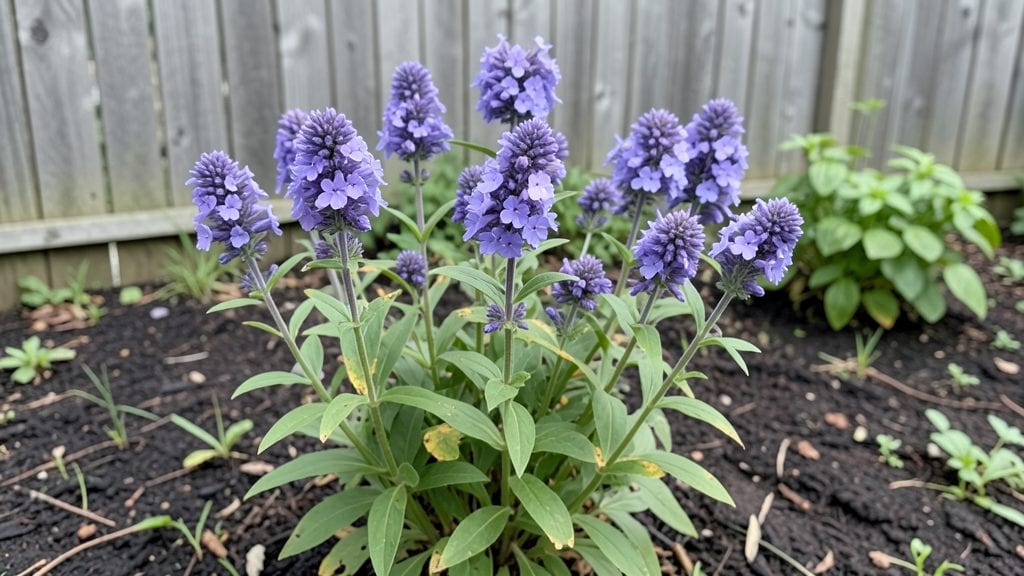
Garden phlox bloom time stretches from late spring through summer 🌸, but the exact timing depends on your zone and care routine.
If you’ve ever watched your phlox fade too quickly—or struggled to coax a second round of blooms—you’re not alone. Most gardeners assume phlox is a one-time showstopper, but with the right timing and tricks, you can turn those mid-June bursts into a two-month floral display.
In Zone 6, phlox typically kicks off in June and peaks by July, but cooler regions or late plantings can delay it by weeks. The secret to extending that color? Deadheading, soil prep, and choosing the right varieties—all of which I’ll break down so your phlox stays vibrant longer.
Here’s what you need to know: when to expect blooms, how to push them later into summer, and which phlox types play best together for a seamless color transition.
Garden phlox bloom time: month-by-month stages explained
Garden phlox (Phlox paniculata) is one of the most reliable late-summer bloomers, offering vibrant clusters of color that brighten gardens from mid-June to early September. However, the exact bloom time varies based on your USDA zone, variety, and growing conditions. Understanding these stages helps you plan your garden layout and care routine for maximum impact.
In cooler climates like USDA Zones 3-5, phlox typically blooms 2-3 weeks later than in warmer zones (6-8). For example, in Zone 6, buds form in late May, while in Zone 8, they may appear as early as mid-May.
This variation is why timing your plantings—and deadheading—is critical for a continuous display.
Below is a month-by-month breakdown of garden phlox bloom stages, including key milestones like bud formation, peak bloom, and post-bloom care. Use this as your guide to anticipate and extend the stunning floral show.
🌸
<summary-table>In warmer climates (Zones 7-8), garden phlox often starts blooming as early as late May, with peak color lasting through August. The key to extending this period is proper deadheading—removing faded blooms promptly encourages new flowers to form.
I’ve found that phlox in partial shade (especially in hot zones) blooms longer than those in full sun, which can stress the plants.
For gardeners in cooler zones (3-5), patience is key. Buds may not appear until late June, but the trade-off is a longer bloom window into early September.
In these regions, I recommend choosing hardy varieties like 'David' or 'Blue Paradise,' which tolerate colder nights better than delicate hybrids.
🌿
Climate plays a huge role in bloom timing. For example, humid summers (like in the Southeast) can lead to powdery mildew, which weakens plants and shortens bloom time. To combat this, I space phlox 18-24 inches apart for airflow and apply a fungicide preventative in early summer.
In dry climates (like the Southwest), phlox may bloom later but benefit from mulching to retain moisture.
One of my biggest tips for gardeners is to plant phlox in stages. By mixing early-, mid-, and late-blooming varieties, you can create a continuous color display from June through September.
For instance, pair 'White Delight' (early) with 'Lavender Lace' (mid) and 'Blue Moon' (late) for a seamless transition.
🪴
If your phlox blooms seem sparse or short-lived, check these common culprits: overcrowding, poor soil drainage, or nutrient deficiencies. Amending the soil with compost before planting and fertilizing in early spring (with a balanced 10-10-10) sets the stage for robust growth.
I’ve also had success using slow-release fertilizer in the planting hole to support long-term blooming.
Finally, don’t forget that phlox is a perennial, meaning it returns year after year with proper care. The first year may be modest, but by year two or three, your plants will establish strong root systems and produce stunning, abundant blooms.
With the right timing and a little attention to detail, your garden phlox can be the star of your late-summer garden.
How to extend garden phlox bloom time for longer color
Garden phlox (Phlox paniculata) is a showstopper in summer gardens, but many gardeners struggle with blooms fading too quickly. The secret to longer-lasting color lies in a few key care strategies that mimic natural conditions.
By focusing on deadheading, soil health, and watering consistency, you can transform your phlox from a fleeting summer flash into a prolonged floral display that lasts from June through September—or even later in mild climates.
One of the biggest mistakes gardeners make is assuming phlox blooms will last without intervention. In reality, spent flowers and nutrient depletion can cut bloom time short by weeks. The good news?
With the right techniques, you can extend blooms by 3-4 weeks or more. Let’s dive into the actionable steps that will keep your phlox looking fresh and vibrant all season long.
- Deadhead daily – Remove spent blooms by pinching or cutting just above the next set of leaves. This redirects energy to new buds instead of seed production.
- Feed in stages – Apply a balanced fertilizer (5-10-10) at planting, then again in early June and mid-July to support continuous flowering.
- Water deeply – Soak the root zone to 12 inches deep every 5-7 days during peak bloom (avoid wetting foliage to prevent mildew).
- Choose late varieties – Opt for 'David' or 'Lavender Lace', which bloom 2-3 weeks later than standard types and thrive in cooler fall temperatures.
- Avoid overcrowding – Space plants 18-24 inches apart for airflow, which reduces powdery mildew and extends the plant’s overall vigor.
Let’s start with the simplest yet most impactful technique: deadheading. Many gardeners skip this step, assuming it’s too time-consuming, but dedicating just 10 minutes daily can add weeks to your phlox’s bloom time. The key is to remove only the faded flowers, not the entire stem.
This encourages the plant to produce new buds lower on the stem, creating a fuller, bushier display. Use clean, sharp pruners or your fingers to pinch off spent blooms just above the first set of healthy leaves.
Another critical factor is soil nutrition. Phlox is a heavy feeder, and without adequate nutrients, blooms will fade quickly. I recommend amending your soil with compost or aged manure at planting time to build a nutrient-rich foundation.
During the growing season, supplement with a balanced liquid fertilizer every 4-6 weeks. Look for a formula with equal parts nitrogen, phosphorus, and potassium (e.g., 10-10-10) to support both foliage and flower production. Over-fertilizing with nitrogen can lead to lush leaves but fewer blooms, so moderation is key.
Watering might seem straightforward, but many gardeners either underwater or overwater, both of which stress phlox and shorten bloom time. Aim for deep, infrequent watering—about 1-1.5 inches per week—to encourage strong root growth. Water in the early morning to reduce evaporation and fungal risks.
If your phlox starts to wilt or drop buds, it’s often a sign of inconsistent moisture. Mulching around the base with 2-3 inches of organic mulch helps retain soil moisture and regulate temperature, which is especially helpful in hot climates.
Finally, selecting the right phlox varieties can make a world of difference in extending your bloom season. Early bloomers like 'Blue Paradise' start in June, while late varieties such as 'Bright Eyes' continue into September. For a continuous color display, mix 3-4 varieties with staggered bloom times.
Additionally, taller varieties (3-4 feet) often bloom later than shorter types, so consider their placement in your garden layout for a layered effect.
With these techniques, your garden phlox will reward you with longer, more abundant blooms—turning a fleeting summer highlight into a season-long star. The best part?
These strategies work for both newly planted phlox and established clumps, so there’s no excuse not to give them a try this year. 🌸