Tools
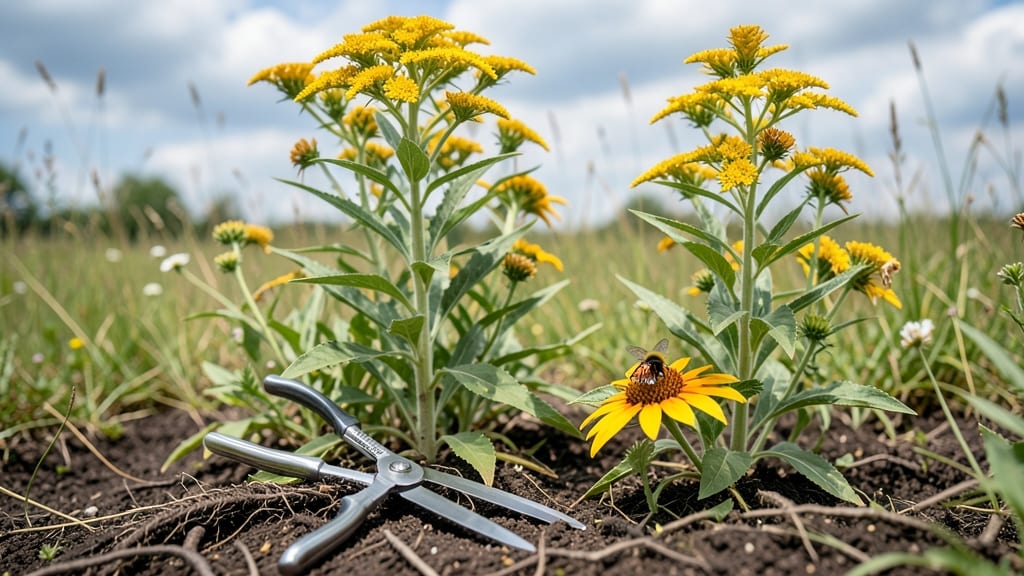
Late summer garden work isn’t just about cleanup—it’s your last chance to squeeze every last harvest from the season before frost.
I’ve learned that the plants still thriving in August often hold the sweetest rewards: tomatoes ripening on the vine, peppers deepening in color, and herbs bursting with flavor just before the chill sets in. The key is working with what’s already established while preparing for what’s coming next.
This is the time for selective harvesting—pick beans and zucchini regularly to encourage more production, save seeds from your best performers, and harvest root crops like carrots and beets before they bolt.
Weeds still grow fast, so a quick 10-minute weekly pull keeps them from stealing nutrients from your late-season crops. And don’t overlook the flowers: marigolds, zinnias, and cosmos will keep blooming until frost if you deadhead spent blooms.
You’ll end the season with a cleaner, more productive garden next year if you take just 30 minutes now to assess what worked and what didn’t. Pull up annuals that’ve finished, mulch perennials to protect roots, and mark spots for next spring’s early plantings.
The goal isn’t perfection—it’s making sure your garden doesn’t waste its final weeks of growth.
From extending harvests with row covers to preserving excess produce, late summer is all about strategic transitions. Whether you’re a seasoned gardener or just starting, these small steps now will pay off when you’re pulling fresh greens from a protected bed in early spring.
Let’s make the most of what’s left in the garden.
📚 In This Guide
- What you need
- Instructions
- Tips and common mistakes
- Wrapping up and next steps
What you need
- ● Fresh produce: 5–10 lbs of seasonal veggies (tomatoes, peppers, zucchini, eggplant, herbs like basil or cilantro).
- ● Pantry staples: 1 lb pasta or rice
- ● 2–3 tbsp olive oil
- ● Salt, pepper, garlic powder (to taste)
- ○ Preservation supplies (optional but recommended): Mason jars (quart or pint size, 4–6 jars)
- ● Canning lids and rings (sterilized)
- ● Pectin (for jams/jellies, if applicable)
- ● Cooking: Large pot or Dutch oven (5–7 quart capacity)
- ● Cutting board (12" x 18")
- ● Sharp chef’s knife + paring knife
- ● Wooden spoon or spatula
- ○ Preserving (optional): Water bath canner or large stockpot
- ● Jar lifter and bubble remover
- ● Canning funnel (for easy filling)
- ● Extras: Mixing bowls (2–3 sizes)
- ● Measuring cups/spoons
- ● Aluminum foil or parchment paper
- ● Harvested produce at peak ripeness (check for firmness, vibrant color, and no blemishes).
- ● Clean workspace (outdoor picnic table or indoor countertop).
- ● Time commitment: 1–2 hours for cooking/preserving (longer if canning).
- ● Safety first: Sterilize jars/lids if canning (boiling water method recommended).
Instructions for maximizing your late summer garden harvest
A well-timed late summer garden can yield a second bounty before frost. Here’s how to coax the most from your plants before the season ends.
Prioritize Harvesting Mature Crops
Start by harvesting fully ripe vegetables and herbs before they overproduce or go to seed. Tomatoes, peppers, and eggplants should be picked when firm and vibrant. For leafy greens like kale and Swiss chard, harvest outer leaves first—this encourages new growth and extends the season.
Watch for visual cues: tomatoes should yield slightly when gently squeezed, while peppers should feel heavy for their size. Harvest in the morning when temperatures are cooler to preserve freshness and quality. Don’t let crops linger on the vine—they’ll toughen or split, reducing flavor and yield.
Extend the Season with Cold-Tolerant Plants
Replace heat-sensitive crops with cold-hardy varieties like spinach, lettuce, or radishes. These thrive in cooler temperatures and can be planted directly into the soil. Choose fast-maturing varieties to ensure a harvest before frost, typically within 30-45 days.
Prepare the soil by removing any remaining debris from harvested plants and loosening the top 2 inches with a garden fork. This improves drainage and root establishment. Water the soil thoroughly before planting to help seeds germinate quickly in the cooler air.
Protect Plants from Early Frost
Use row covers, cloches, or cold frames to shield tender plants from unexpected frosts. These simple tools create a microclimate that traps heat and protects foliage. Install covers in the late afternoon when temperatures begin to drop, and remove them during the day to allow sunlight and airflow.
Monitor weather forecasts closely. If frost is predicted within 24-48 hours, take extra precautions like adding mulch around the base of plants. This insulates roots and keeps soil temperatures stable. Avoid using plastic directly on plants—it can cause condensation and damage leaves.
Maintain Soil Health for Fall Planting
Enrich the soil with compost or aged manure to replenish nutrients lost during the growing season. Work the amendment into the top 4-6 inches of soil using a broadfork or tiller. This ensures roots have access to essential nutrients as they establish in the cooler months.
Test soil moisture regularly—late summer can be dry, but overwatering can leach nutrients. Water deeply once a week or when the top 1-2 inches of soil feel dry to the touch. Mulch around plants to retain moisture and suppress weeds, which compete for nutrients.
Plan for Winter Prep and Cleanup
Begin preparing garden beds for winter by removing annual plants and adding organic matter. Perennial plants can be left in place, but cut back dead foliage to reduce disease risk. Divide crowded perennials to rejuvenate growth and prevent overcrowding.
Take notes on what thrived and what struggled this season. Adjust planting times, varieties, or spacing for next year. Store seeds from your best performers to save money and preserve heirloom traits. Clean and organize tools before storing them for winter to keep them in good condition.
Tips & tricks for perfect late summer garden harvesting
Here’s what I learned after years of pushing my garden’s late-season limits—small adjustments that make all the difference between a meager harvest and a second bounty before frost.
Timing is Everything: In Step 1, when harvesting tomatoes and peppers, I’ve found that waiting until they’re just ripe—slightly firm but yielding to gentle pressure—preserves their flavor and texture better than letting them ripen fully on the vine. For leafy greens, I harvest outer leaves first, leaving the inner growth to continue producing. This method extends your harvest window by up to 3-4 weeks compared to cutting entire plants.
Cold-Hardy Plant Selection: When replacing heat-sensitive crops in Step 2, I always opt for varieties with the shortest maturity times—like ‘Early Wonder’ peas or ‘Salad Bowl’ lettuce—which mature in just 30 days. These fast growers give you a harvest before frost while still thriving in cooler temperatures. Pro tip: Check seed packets for “days to maturity” and subtract your average first frost date to ensure you’ll get a harvest.
Frost Protection Hacks: For Step 3, I’ve had the most success with lightweight row covers that allow sunlight and airflow while trapping heat. Install them in the late afternoon when temperatures start dropping, and remove them during the day to prevent overheating. If frost is predicted within 24-48 hours, I add a thick layer of straw mulch around the base of plants—this can raise soil temperatures by 5-10°F and protect roots from freezing.
Soil Prep Shortcuts: In Step 4, instead of tilling the entire 4-6 inches of soil, I focus on loosening just the top 2 inches with a garden fork. This improves drainage without disrupting the soil structure too much. I also mix in a handful of compost directly into planting holes for new crops—this targeted approach ensures roots get immediate nutrients without overwhelming the soil.
Pro Tips for Late Summer Garden
- Here’s what I learned after years of pushing my garden’s late-season limits—small adjustments that make all the difference between a meager harvest and a second bounty before frost.
- For leafy greens, I harvest outer leaves first, leaving the inner growth to continue producing.
- Cold-Hardy Plant Selection: When replacing heat-sensitive crops in Step 2, I always opt for varieties with the shortest maturity times—like ‘Early Wonder’ peas or ‘Salad Bowl’ lettuce—which mature in just 30 days.
Frequently asked questions
Got questions about maximizing your late summer garden before frost?
You’re not alone! Here are answers to the most common concerns—so you can harvest, preserve, and enjoy your bounty like a pro.
When is the exact last day to harvest before frost?
The first frost date varies by region (check your USDA Plant Hardiness Zone), but a general rule: Harvest leafy greens like kale or spinach after a light frost for sweeter flavor. For tomatoes, peppers, or basil, pick them before temps drop below 32°F—even a chilly 40°F can stunt growth. Pro tip: Use a frost calculator for your ZIP code!
How do I know if my veggies are really ripe for picking?
Ripeness cues vary by plant:
- Tomatoes: Deep color, slightly soft when gently squeezed, and a sweet aroma near the stem.
- Peppers: Firm, glossy skin, and vibrant color (red/yellow/green—your choice!).
- Zucchini: 6–8 inches long with smooth, unblemished skin.
- Herbs: Picking before flowering (e.g., basil leaves) ensures the best flavor.
What’s the best way to extend my late-summer harvest?
Beat frost with these tricks:
- Row covers: Lightweight fabric (like frost cloth) can add 2–4 weeks of growing time.
- Cold frames: Mini greenhouses trap heat and protect tender plants.
- Succession planting: Sow fast-growing crops like radishes or lettuce in late summer for a fall harvest.
- Harvest strategically: Pick fruits (like tomatoes) when ripe but unblemished to avoid rot.
My tomatoes are cracking—what’s causing this and how do I fix it?
Cracked tomatoes usually mean uneven watering (too much or too little). Here’s how to prevent it:
- Water deeply and consistently—aim for 1–2 inches per week.
- Mulch around plants to retain moisture and regulate soil temps.
- Harvest overripe tomatoes before they crack—use them in salsas or sauces!
- Avoid late-season fertilization (nitrogen spikes can worsen cracking).
What’s the easiest way to preserve my late-summer harvest?
Preserve your bounty with these beginner-friendly methods:
Method
Best For
Effort Level
Freezing
Berries, peas, corn, herbs
Low (blanch first!)
Canning
Tomato sauce, pickles, jams
Medium (follow USDA guidelines)
Dehydrating
Herbs, tomatoes, peppers
Low (use a food dehydrator or oven)
Fermenting
Sauerkraut, kimchi, pickles
Medium (requires patience + salt)
Wrapping up and next steps
Your late summer garden is a treasure trove of flavors and textures—don’t let it go to waste! With these simple steps, you’ve turned fresh produce into delicious meals while preserving the season’s bounty. Whether you’re canning, freezing, or savoring every bite now, you’re embracing the joy of homegrown abundance.
Ready to take it further? Plan your next harvest—sketch a quick garden layout for fall crops like kale, carrots, or garlic, and watch your green thumb grow even stronger. Happy gardening (and eating)! 🌿🍴