
Tools
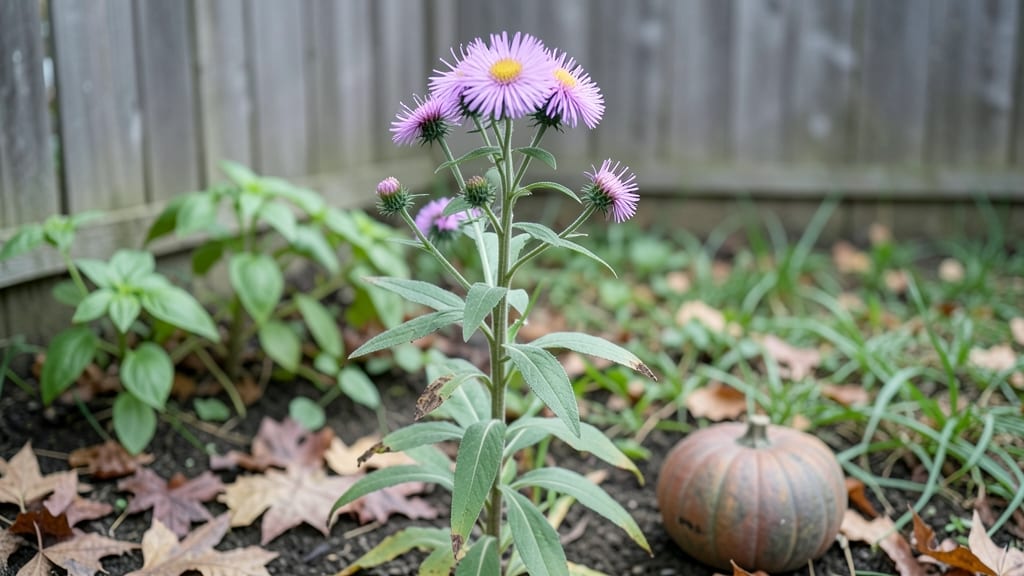
Fall gardening isn’t about winding down—it’s about setting up a season-long color show while the rest of the yard takes a break. 🌿 I’ve learned that the right plants and a little prep now mean fewer weeds, happier soil, and blooms that last until frost.
The key is working with fall’s cooler temps instead of fighting them.
Start with cool-season crops like kale, spinach, and pansies—they thrive when nights dip below 60°F and actually sweeten after light frosts. Add a 3-inch layer of mulch to protect roots and lock in moisture, then snip back perennials to encourage fresh growth.
Most of the work takes less than two hours if you focus on high-impact tasks first.
By early November, you’ll have a garden that still hums with activity while others look bare. The pansies will bloom until snow flies, the soil will stay loose for spring planting, and you’ll avoid the springtime scramble to clean up messes.
It’s the kind of effort that pays off in both beauty and ease.
Works for any yard size, from city balconies to half-acre plots. The same principles apply whether you’re extending harvests or just keeping things tidy. Let’s get your fall garden humming before the first chill arrives.
📚 In This Guide
- What you need
- Instructions
- Tips and common mistakes
- Wrapping up and next steps
What you need
- ● Seasonal Plants: 5–10 Mums (e.g., 'Autumn Joy' or 'Papa Bear' for bold color)
- ● 3–5 Ornamental Grasses (e.g., 'Karl Foerster' or 'Little Spruce' for texture)
- ● 2–3 Fall-Blooming Perennials (e.g., Sedum, Heuchera, or Asters)
- ● 1–2 Bulbs for Spring (e.g., Daffodils or Tulips—plant in fall for early blooms!)
- ● Soil & Amendments: 5–10 lbs Compost or Well-Rotting Manure (for nutrient boost)
- ● 1–2 lbs Slow-Release Fertilizer (10-10-10 or organic options like fish emulsion)
- ● Mulch (3–4 inches of shredded bark, straw, or leaves)
- ● Tools: 1 Garden Trowel (for planting bulbs)
- ● 1 Hand Pruners (for trimming dead foliage)
- ● 1 Garden Fork (for aerating soil)
- ● 1 Wheelbarrow (for hauling materials)
- ● 1 Hose with Adjustable Nozzle (for watering)
- ● Decorative Garden Stones or Stepping Stones (for pathways or borders)
- ● Fall-Themed Decor (e.g., pumpkins, gourds, or lanterns)
- ● 1–2 Slow-Release Watering Spikes (to reduce manual watering)
- ● Garden Gloves (to protect your hands from thorns or rough edges)
How to plan a low-maintenance fall garden for season-long color
Fall gardens thrive with the right plants and prep—here's how to create vibrant displays with minimal upkeep.
🌱 Step 1: Choose the Right Fall-Blooming Plants
Select plants that thrive in cooler weather and provide continuous color. I always include mums for their bold blooms, asters for late-season interest, and sedum for hardy foliage. These varieties handle 40-50°F nights without fuss and bloom from September through frost. Check your local nursery for disease-resistant varieties—they'll save you headaches later.
For height, add Russian sage or goldenrod—both stay upright and attract pollinators. Fill gaps with pansies or snapdragons for early color. These plants self-clean, meaning dead blooms drop naturally, reducing maintenance. I avoid anything that needs frequent deadheading (like impatiens) because fall's shorter days mean less blooming energy.
🪴 Step 2: Prepare the Soil Before Planting
Test your soil's pH—most fall flowers prefer 6.0-7.0. If it's too acidic, mix in 1 pound of lime per 100 square feet of garden bed. I always work in 2-3 inches of compost to replenish nutrients after summer's heat. This step is critical because cool-season plants grow slowly at first and need readily available food.
Loosen the soil to a depth of 12 inches with a garden fork. Break up any compacted layers so roots can spread easily. For containers, use fresh potting mix—old soil may harbor summer pests. Water the prepared beds deeply 24 hours before planting to help roots establish faster.
☀️ Step 3: Plant for Layered Color and Height
Start with tallest plants at the back, working forward to shortest. Place mums and asters in the center for impact, then surround them with sedum and ornamental grasses for texture. I like to stagger planting dates—put in pansies first (they bloom quickly), then asters and mums two weeks later for a staggered show.
Space plants according to their mature size: 18-24 inches apart for mums, 12-18 inches for asters, and 10-12 inches for sedum. Press soil gently around roots to eliminate air pockets, then water deeply. Mulch with 2-3 inches of shredded bark to retain moisture and suppress weeds—this is the secret to low-maintenance fall gardens.
💧 Step 4: Water Strategically for Fall Conditions
Water deeply once a week unless rainfall provides 1 inch of moisture. In fall, I check soil moisture by pushing a finger 2 inches deep—if it feels dry, that's your cue. Early mornings are best to prevent fungal diseases from evening dampness. Avoid overhead watering after 5 PM to keep foliage dry overnight.
Reduce watering as temperatures drop below 50°F. Cool-season plants need less moisture, and overwatering can lead to root rot. You'll notice leaves curling slightly in the morning—this is normal and means they're conserving water. If you see yellowing between veins, that's a sign of overwatering, not under.
✂️ Step 5: Minimal Maintenance for Long-Lasting Beauty
Remove only obviously dead or diseased foliage—let other plants stand for winter interest. I skip deadheading most flowers because their energy goes into next year's blooms. For mums, a light trim after their first flush encourages a second bloom cycle in cooler climates.
Add a light layer of mulch in late November to protect roots from freeze-thaw cycles. This simple step prevents heaving and keeps plants healthy until spring. If pests appear (like aphids on pansies), blast them off with a strong stream of water—no chemicals needed for a fall garden.
Tips & tricks for perfect fall garden planning
Creating a stunning fall garden that thrives with minimal effort takes a few strategic moves—here's what I've learned after years of trial and error.
Plant Selection Wisdom: In Step 1, when choosing your fall bloomers, prioritize plants that naturally self-clean like asters and sedum. These varieties drop their spent blooms on their own, which means less deadheading for you. I've found that mums actually benefit from a light trim after their first flush to encourage that second bloom cycle—just don't overdo it, or you'll cut off next year's buds.
Soil Prep Secret: The 24 hours before planting that the instructions mention is your golden opportunity to give roots a head start. During this time, I always add a handful of mycorrhizal fungi to the soil—it's like giving your plants a natural growth boost. These beneficial fungi help roots absorb water and nutrients more efficiently, especially important for cool-season plants that grow slowly at first.
Layering Like a Pro: When arranging your plants in Step 3, think of it like building a stage—tallest plants at the back create a natural frame. I like to group Russian sage and goldenrod together at the back because they both have vertical growth habits that add drama. The key is to leave enough space between plants (18-24 inches for mums) so air can circulate, which prevents fungal diseases that love fall's damp conditions.
Watering Hack: That 50°F temperature threshold mentioned in Step 4 is your cue to adjust your watering routine. Once nights dip below this, I switch to watering only when the top 2 inches of soil feel dry. This simple adjustment prevents overwatering, which is the #1 cause of root rot in fall gardens. And remember, morning watering is always best—it gives foliage time to dry before evening, reducing fungal risks.
Pro Tips for Garden In Fall
- Creating a stunning fall garden that thrives with minimal effort takes a few strategic moves—here's what I've learned after years of trial and error.
- Plant Selection Wisdom: In Step 1, when choosing your fall bloomers, prioritize plants that naturally self-clean like asters and sedum.
- Soil Prep Secret: The 24 hours before planting that the instructions mention is your golden opportunity to give roots a head start.
Frequently asked questions
Got questions about keeping your garden vibrant in fall with ease? Here are some common ones—and their answers!
When is the best time to plant fall flowers and veggies?
For most regions, aim to plant cool-season crops like kale, spinach, and pansies 6–8 weeks before your first frost. Check your local frost date (USDA Zone Map helps!)—typically late August to early October. Bulbs like tulips and daffodils should go in the ground 6–8 weeks before freezing temps (usually October–November).
How do I protect plants from early fall frosts?
Use frost cloths or lightweight row covers to shield tender plants. For delicate perennials, mulch heavily with straw or leaves to insulate roots. Move potted plants to sheltered spots or indoors overnight. Water deeply before frost—moist soil retains heat better. Avoid fertilizing late in the season, as new growth is more frost-sensitive.
Can I still garden in fall if I have limited time?
Focus on low-maintenance plants like ornamental grasses, hardy succulents, or perennial flowers (e.g., sedum, asters). Container gardening is perfect for fall—try mums, cabbage, or lettuce in pots for easy care. Mulch heavily to suppress weeds and retain moisture. Even 10 minutes daily for deadheading spent blooms or raking leaves keeps things tidy!
Why are my fall plants wilting or turning yellow?
Yellowing leaves often signal overwatering, nutrient deficiencies, or fungal issues. Check soil moisture—fall can bring damp conditions that encourage rot. Adjust watering to keep soil evenly moist but not soggy. Yellow edges? Likely chlorosis (iron deficiency)—apply chelated iron or compost. Fungal spots? Prune affected areas and improve airflow by spacing plants properly.
What’s the easiest way to clean up fall debris without backbreaking work?
Break it into small tasks:
- Week 1: Collect leaves daily with a rake or leaf blower (don’t let them pile up—they smother grass!).
- Week 2: Mulch leaves lightly (3–4 inches) over garden beds for winter protection.
- Week 3: Prune dead or diseased branches with clean shears and compost healthy debris.
- Pro tip: Wear gloves and knee pads to save your back!
Wrapping up and next steps
Fall is the perfect time to transform your garden into a vibrant, low-maintenance masterpiece—without the stress! 🍂 By focusing on seasonal blooms, evergreens, and smart planning, you can enjoy stunning colors all season long while keeping upkeep simple.
Whether you’re a seasoned gardener or just starting out, these tips make it easy to create a garden that thrives with minimal effort.
Now that you’re armed with the right tools and know-how, take the next step—grab your gloves and sketch out your fall garden design today! Start small, experiment with textures, and let nature do the rest.
Your future self (and your neighbors!) will thank you for the cozy, colorful retreat you’re creating. Happy gardening! 🌸