Landscaping
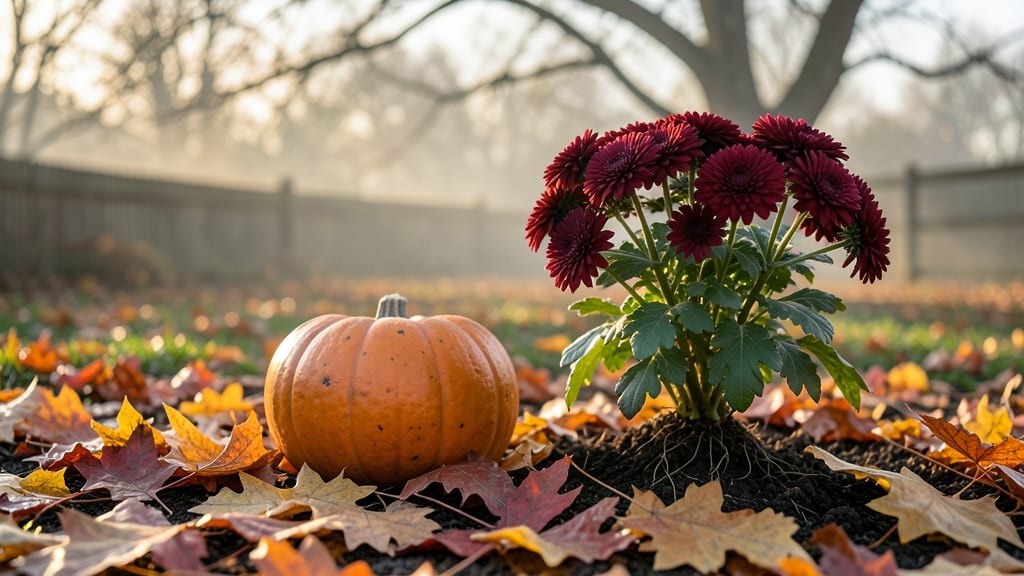
Fall garden design transforms your yard into a cozy, vibrant showstopper when you layer plants that thrive in cooler weather. 🌿 I learned the hard way that skipping seasonal swaps means dull browns by November—until I swapped my summer annuals for fiery mums, deep burgundy grasses, and golden pumpkins.
The difference? A garden that feels like autumn in every sense.
Start with a color palette that pops: think burnt orange, rust red, and deep purple alongside silvery foliage for contrast. Add height with ornamental grasses and structure with gourds or small pumpkins—these create natural focal points without needing fancy decor.
Even small spaces work with container gardens filled with chrysanthemums or kale in jewel tones.
You’ll end up with a garden that smells like cinnamon and looks like a postcard—crisp air, warm hues, and textures that beg to be touched. The best part?
Less maintenance than summer blooms, and plants that keep giving until the first frost. Here’s how to make it happen without the overwhelm.
Works for every yard, from city balconies to rural acres—just swap plants for your climate zone. The key is letting nature’s fall palette do the heavy lifting while you add a few DIY touches, like painted pumpkins or a simple scarecrow, for that extra wow factor.
📚 In This Guide
- What you need
- Instructions
- Tips and common mistakes
- Wrapping up and next steps
What you need
- ● Seasonal plants: 5–10 perennials (e.g., Heuchera, Sedum, Japanese Anemone), 3–5 shrubs (e.g., Hydrangea, Oakleaf Hydrangea), and 2–3 ornamental grasses (e.g., Miscanthus, Feather Reed Grass).
- ● Bulbs: 10–15 Daffodil, Tulip, or Crocus bulbs for early spring color.
- ● Mulch: 2–3 bags of shredded cedar or hardwood mulch (2–3 cubic feet per 100 sq. ft.) to retain moisture and suppress weeds.
- ● Foliage accents: 3–5 Smoke Bush (Cotinus), Sumac, or Sweet Gum for fiery hues.
- ● Potted plants: 1–2 Mums (per 10 sq. ft.) for instant pops of color.
- ● Hand tools: Pruners, trowel, hand fork, and garden gloves (1 pair).
- ○ Power tools (optional): String trimmer, leaf blower, or hedge trimmer for larger areas.
- ● Measuring tape (25 ft) and garden stakes (10–15 stakes) for layout.
- ● Wheelbarrow or bucket (5–10 gallon) for hauling soil/plant debris.
- ○ Soil test kit (optional but recommended) to check pH and nutrient levels.
- ● Compost or slow-release fertilizer (5–10 lbs) to enrich soil before planting.
- ● Weather check: Plan for cooler temps (50–70°F) and mild rainfall—ideal for fall planting!
- ● Design sketch (digital or hand-drawn) to map out plant placement, pathways, and focal points.
Instructions: how to layer your fall garden for maximum impact
Here's the approach I use to create a fall garden that stays vibrant through frost—no wilting annuals here.
🌿 Step 1: Plan Your Height Layers for Structure
Start by grouping plants in three distinct tiers: tall backdrops (3-6 feet), mid-height accents (1-3 feet), and low ground covers (under 1 foot). I always begin with the tallest plants at the back of the bed or along fences to create a natural frame. Ornamental grasses like Miscanthus or Panicum work perfectly here—they add movement and hold their shape even in wind.
Next, add mid-height plants like sedum or heuchera spaced 12-18 inches apart. These fill the middle space while providing texture contrast. For the front edge, use ajuga or sweet woodruff to create a lush carpet. This layering trick makes your garden look full and intentional without overcrowding.
🍂 Step 2: Layer Color Gradients for Seasonal Flow
Arrange foliage colors in warm-to-cool gradients from back to front. Start with deep burgundy (heuchera) or bronze (Japanese maple) at the back, then transition to golden (sedum) and chartreuse (ajuga) toward the front. This creates depth and guides the eye through the garden naturally.
Add fall-blooming perennials like asters or chrysanthemums in clusters of 3-5 plants for pops of color. Space them 18-24 inches apart to allow air circulation and prevent disease. I always plant a few extra—you'll want to cut blooms for arrangements as they fade.
☀️ Step 3: Incorporate Evergreen Texture for Winter Interest
Weave in evergreen shrubs like boxwood or inkberry holly to maintain structure when other plants go dormant. Place them strategically at corners or focal points where their dark green leaves will contrast with fall colors. For ground cover, creeping thyme or periwinkle adds softness while staying evergreen.
Add ornamental grasses like Little Bluestem or Feather Reed Grass for movement and winter silhouette. Their seed heads catch light beautifully and provide food for birds. I like to plant them in odd-numbered groupings (3 or 5) for a natural, balanced look.
🪴 Step 4: Add Containers for Flexible Color Shifts
Use 2-3 containers (6-12 inches deep) to introduce seasonal color changes easily. Fill them with mums, ornamental kale, or pansies—these can be swapped out every 4-6 weeks to keep the garden fresh. Place containers at eye level along pathways or near seating areas for maximum impact.
Choose pots with drainage holes and use lightweight potting mix to prevent root rot. I always add a slow-release fertilizer when planting to ensure vibrant foliage all season. Group containers in odd-numbered clusters (3 or 5) for a cohesive look.
✂️ Step 5: Maintain with Seasonal Pruning and Mulching
After planting, apply 2-3 inches of mulch (like shredded bark) to retain moisture and suppress weeds. Keep mulch 2 inches away from plant stems to prevent rot. I like to mulch in early October—just as fall rains begin—to protect roots through winter.
Deadhead spent blooms regularly to encourage new flowers and extend the season. Cut back annuals when they fade but leave perennials until spring to provide winter interest. This simple habit keeps your garden looking intentional, not neglected.
Tips & tricks for perfect fall garden design
Real talk: A few small tweaks can transform your fall garden from ordinary to showstopping. Here's what I've learned after designing gardens that stay vibrant through frost.
Plant Placement Precision: In Step 1, when arranging your 3-6 foot tall backdrops, position them so their tops align with your eye level when standing at the garden's edge. This creates a natural "frame" that draws visitors in. For mid-height plants like heuchera (12-18 inches apart), stagger their placement rather than aligning in straight rows—it mimics natural growth patterns and prevents that "too-perfect" look.
Color Theory Shortcut: For the warm-to-cool gradient in Step 2, think of your garden like a painter's palette. Start with your darkest burgundy heuchera at the back (like a deep blue base), then add golden sedum as your mid-tone (like yellow), and finish with chartreuse ajuga at the front (like a bright highlight). This progression creates instant depth without needing a color wheel.
Evergreen Strategy: When incorporating evergreens in Step 3, place them where they'll contrast most dramatically with fall colors. I like putting boxwood near burgundy foliage—their dark green leaves make the reds pop even more. For ornamental grasses, trim them back by 1/3 in early fall to encourage bushier growth before winter sets in.
Container Hack: For your 2-3 containers in Step 4, use pots that are 2-3 inches deeper than the plants' root balls. This extra space gives roots room to establish before winter, and you can easily swap out plants every 4-6 weeks without disturbing the roots. I always keep a few extra containers on hand—you'll want to rotate them seasonally!
Pro Tips for Fall Garden Design
- Real talk: A few small tweaks can transform your fall garden from ordinary to showstopping.
- Plant Placement Precision: In Step 1, when arranging your 3-6 foot tall backdrops, position them so their tops align with your eye level when standing at the garden's edge.
- Color Theory Shortcut: For the warm-to-cool gradient in Step 2, think of your garden like a painter's palette.
Frequently asked questions
Got questions about creating a stunning fall garden? You’re not alone! Here are answers to the most common concerns—from timing to troubleshooting—to help your seasonal design shine.
What’s the best time to start planning a fall garden?
Ideally, begin 6–8 weeks before your first frost (typically mid-to-late summer). This gives you time to research plants, prep soil, and install hardscapes. For container gardens or quick fixes, you can start as late as early fall—just choose cold-hardy plants like mums, pansies, or ornamental kale.
Can I reuse spring/summer plants in my fall garden?
Not all! Annuals like impatiens or geraniums won’t survive frost, but perennials (e.g., coneflowers, sedum) and shrubs (e.g., hydrangeas) can often transition with proper care. Replace tender plants with fall favorites like chrysanthemums, asters, or ornamental grasses for a seamless swap.
How do I extend my fall garden’s lifespan into winter?
Use mulch (straw or shredded leaves) to insulate soil and protect roots. Opt for evergreens (e.g., boxwoods, holly) and winter berries (e.g., wintergreen, cotoneaster) for structure. Add lighting (solar path lights, string lights) to highlight textures like bark, seed pods, or frost-kissed foliage.
What’s the easiest way to fix a fall garden that’s looking dull?
Start with a quick refresh: Prune dead foliage, add pops of color with potted mums or cabbage roses, and layer crushed leaves or pine straw for texture. Swap out faded perennials for late-blooming varieties like goldenrod or Russian sage. A fresh coat of mulch in warm tones (rust, terracotta) ties everything together.
Are there low-maintenance fall garden ideas for busy homeowners?
Try:
- Drought-tolerant plants: Sedum, lavender, or ornamental grasses (need minimal water).
- Self-cleaning containers: Use pansies or snapdragons—they bloom until frost and self-seed easily.
- Hardscape shortcuts: Gravel beds with succulents or raised planters reduce weeding.
- Seasonal swaps: Replace wilted annuals with pre-potted fall flowers (no replanting needed!).
Wrapping up and next steps
Designing your fall garden is all about embracing the season’s natural beauty—layering rich colors, textures, and hardy plants to create a space that feels cozy yet vibrant. Whether you’re adding warm hues, playful foliage, or fragrant blooms, the key is to work with what you have while keeping maintenance simple.
Don’t forget: fall is the perfect time to prep for winter, so every choice you make now will reward you with a stunning (and low-effort) garden come spring.
Ready to dive in? Start small! Pick one corner of your yard or a single container, gather your supplies, and let your creativity bloom. Your fall garden awaits—what’s the first layer you’ll add? 🌿✨