
Advice
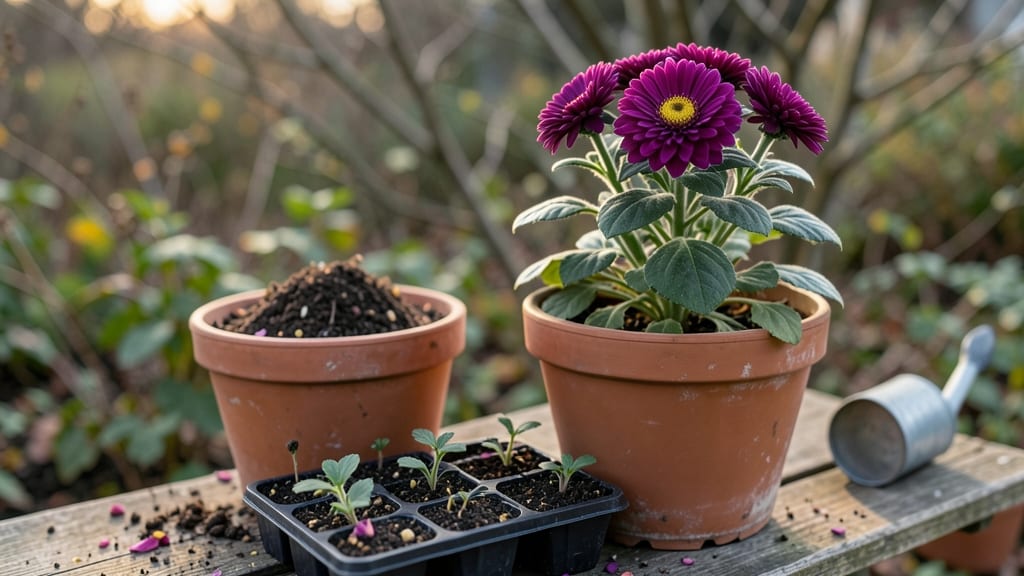
Fall gardening tips start with one simple truth: the right plants in the right layers mean fresh harvests straight through winter. 🌱 I’ve watched my kale and spinach keep producing long after summer gardens give up, all because I learned to stack crops by maturity and hardiness.
The secret isn’t complicated—it’s about timing, soil prep, and knowing which plants play well together.
This isn’t about digging up your whole yard—just smart adjustments. Cool-season crops like broccoli, carrots, and radishes thrive when summer’s heat fades, while perennials like asparagus and rhubarb get a head start for spring.
In colder zones, a thick mulch layer protects roots from freeze-thaw cycles, while southern gardens focus on shade and moisture retention. The key is working with your climate, not against it.
By late fall, you’ll be harvesting crisp greens while your soil stays rich for spring planting. The plants that survive winter even return stronger next year—imagine that: less work, more rewards.
And the best part? You avoid the most common fall mistakes, like planting too late or ignoring soil pH shifts that stunt growth.
Whether you’re in a northern frost zone or a mild southern winter, these layered techniques adapt easily. Let’s get your garden set up for a harvest that lasts—and a spring that starts strong. The first frost isn’t the end; it’s just the beginning of a smarter growing season.
📚 In This Guide
- What you need
- Instructions
- Tips and common mistakes
- Wrapping up and next steps
What you need
- ● Seeds: Choose cold-hardy varieties like kale, spinach, carrots, radishes, lettuce, and peas (1–2 lbs total, depending on garden size). Opt for organic or heirloom seeds for best results!
- ● Soil: A high-quality compost (2–3 cubic yards for a 10’x10’ bed) mixed with topsoil (1–2 cubic yards) to improve drainage and fertility.
- ● Mulch: Straw or shredded leaves (2–3 inches thick) to insulate soil and retain moisture.
- ● Fertilizer: Balanced organic fertilizer (10-10-10 or compost tea) to boost nutrient levels before planting.
- ● Garden tools: Trowel (for precision planting)
- ● Hand fork (for loosening soil)
- ● Pruners (for trimming dead plants)
- ● Rake (for leveling beds)
- ○ Optional but helpful: Wheelbarrow (for hauling soil/mulch)
- ● Garden gloves (to protect your hands)
- ● Row cover or frost cloth (for extra protection)
- ● pH test kit (to check soil acidity, ideal range: 6.0–7.0)
- ● Weather check: Wait until after the first frost (or when soil temps drop to 50–60°F) to plant cool-season crops.
- ● Sunlight: Ensure your garden gets at least 4–6 hours of sunlight daily.
- ● Water source: A hose with a gentle spray nozzle or drip irrigation system for consistent moisture.
Instructions for layered planting in fall gardens
Here's how to stretch your harvest season with smart planting layers.
🌱 Step 1: Clear and Prepare the Garden Beds
Start by removing any spent summer plants and their roots from your beds. I like to use a garden fork to loosen the soil without turning it over completely—this preserves soil structure while aerating. Add a 2-inch layer of compost across the bed and lightly rake it in. This feeds your soil without overwhelming new plants.
Fall's cooler temperatures mean you won't need to water as frequently, but the soil still benefits from organic matter. If your soil feels compacted, add a thin layer of coarse sand or perlite to improve drainage. You'll know it's ready when the soil crumbles easily between your fingers.
🌿 Step 2: Plant Cool-Season Crops as the Top Layer
Choose fast-growing cool-season crops like spinach, kale, or radishes for your top layer. These thrive in fall's mild weather and can handle light frosts. Plant them 1 inch deep and 2-3 inches apart—closer spacing helps them shade out weeds naturally.
I always plant these first because they establish quickly and provide immediate harvests. Water gently after planting to settle the soil around the roots. You'll see new growth within 5-7 days, signaling that your top layer is off to a strong start.
💧 Step 3: Add Mid-Layer Crops for Extended Harvests
After your top layer is established, plant slower-growing mid-layer crops like carrots, beets, or lettuce. These take longer to mature but will continue producing into winter. Space them 3-4 inches apart and plant them ½ inch deeper than the seed packet recommends—this ensures better anchorage in cooler soil.
Mulch the bed with 2-3 inches of straw or shredded leaves to insulate the soil and retain moisture. This layer also protects tender roots from temperature swings. You'll notice the mid-layer crops emerge more slowly, but they'll reward you with harvests well into late fall.
✂️ Step 4: Plant Low-Growing Ground Covers as the Base
For your base layer, choose hardy ground covers like clover, creeping thyme, or winter rye. These plants spread quickly, suppress weeds, and protect the soil from erosion. Plant them ½ inch deep and 6-12 inches apart, depending on the variety.
Water the entire bed thoroughly after planting to encourage root growth. These plants will establish slowly but create a living mulch that improves soil health over time. You won't see immediate results, but come spring, your soil will be richer and easier to work with.
☀️ Step 5: Adjust Watering and Maintenance for Fall Conditions
Reduce watering frequency as temperatures drop—most fall crops need water only when the top 1-2 inches of soil feel dry. Use a rain gauge to track moisture levels and avoid overwatering, which can lead to rot in cooler weather.
Monitor for pests like slugs and aphids, which thrive in fall's damp conditions. Handpick larger pests and use row covers to protect young plants. You'll know your layered planting is working when you see a mix of mature and emerging crops throughout the season.
Tips & tricks for perfect fall layered planting
Layered planting in fall is all about timing, soil prep, and smart crop selection—here's how to make it work flawlessly.
Soil Prep is Everything: In Step 1, that 2-inch layer of compost isn't just decoration—it's the foundation for your fall garden. I've found that adding a handful of worm castings to the compost mix gives you an extra nutrient boost that cool-season crops love. The key is to mix it in just enough to feed the soil without compacting it further. If your soil feels like wet sand when you squeeze it, you'll need to add more organic matter before planting.
Planting Sequence Matters: Don't rush the top layer! In Step 2, those fast-growing crops like spinach and radishes should be established with visible true leaves before you add mid-layer crops in Step 3. I've learned the hard way that planting everything at once leads to competition for nutrients. Wait until you see those first leaves poking through—usually around day 5-7—as your signal to move to the next layer. This staggered approach prevents overcrowding and gives each plant its best chance to thrive.
Mulching Magic: That 2-3 inch layer of straw or leaves in Step 3 isn't just for looks—it's your garden's winter blanket. For extra insulation in colder climates, I like to add a thin layer of straw right after planting, then top it with leaves when temperatures drop below 40°F. This double-layer system keeps roots warm and moisture levels consistent. Just make sure to leave some space around plant stems to prevent rot from trapped moisture.
Pest Prevention Strategy: Fall's damp conditions create perfect slug and aphid conditions, but you can outsmart them. In Step 5, I recommend creating a beer trap (bury a shallow dish filled with beer near your plants) and setting out copper tape around vulnerable beds. The copper creates a mild electric shock that deters slugs naturally. For aphids, a strong spray of water from the hose usually knocks them off plants—do this in the morning so leaves have time to dry completely.
Pro Tips for Fall Gardening Tips
- Layered planting in fall is all about timing, soil prep, and smart crop selection—here's how to make it work flawlessly.
- Soil Prep is Everything: In Step 1, that 2-inch layer of compost isn't just decoration—it's the foundation for your fall garden.
- Planting Sequence Matters: Don't rush the top layer!
Frequently asked questions
Got questions about fall gardening? You're not alone! Here are answers to the most common queries to help you maximize your layered planting success.
What are the best vegetables to plant in fall for extended harvests?
Cool-season crops like kale, spinach, carrots, broccoli, and lettuce thrive in fall. For layered planting, opt for fast-maturing varieties (e.g., bush beans, radishes) alongside slower growers (e.g., cabbage, Brussels sprouts). Succession planting works best with short-day plants that respond to cooling temps.
How far in advance should I start fall gardening prep?
Start 8–12 weeks before your first frost for best results. This timeline lets you:
- Test soil pH and amend as needed ( aim for 6.0–7.0).
- Clear summer crops and prepare beds (remove weeds, add compost).
- Direct-sow or transplant seedlings based on your region’s frost dates.
Can I use the same garden space for fall crops after summer plants?
Just follow these steps:
- Rotate families (e.g., swap tomatoes for brassicas like kale) to prevent disease.
- Add compost or aged manure to replenish nutrients.
- Use mulch (straw or leaves) to insulate soil and retain moisture.
How do I protect fall crops from early frosts?
Use these low-cost tricks:
- Row covers (floating fabric) add 4–8°F protection.
- Plant heat-tolerant varieties (e.g., ‘Winter Density’ kale).
- Water soil deeply before frost to insulate roots.
- For delicate greens, try cold frames or cloches.
What if my fall garden fails? How can I troubleshoot?
Common issues and fixes:
Problem
Solution
Slow growth
Check soil moisture (fall air is dry!) and add nitrogen (fish emulsion or compost tea).
Pests (e.g., cabbage worms)
Use row covers or neem oil; handpick eggs early.
Bolting (premature flowering)
Choose slow-bolting varieties or shade plants with cloches.
Disease (e.g., powdery mildew)
Improve airflow, water at soil level, and rotate crops next year.
Keep a gardening journal to track what works (or doesn’t) for next fall!
Wrapping up and next steps
Fall gardening is your chance to turn the season into a bountiful harvest—no matter your experience level! By embracing layered planting, you’ll enjoy fresh produce long after summer fades, while also preparing your soil for next year’s success. Start small, experiment with cold-hardy crops, and watch your garden thrive!
Ready to dive in? Grab your gloves, sketch a quick plan, and plant your first row this weekend! Your future self (and taste buds) will thank you. 🌱🍂