
Diseases
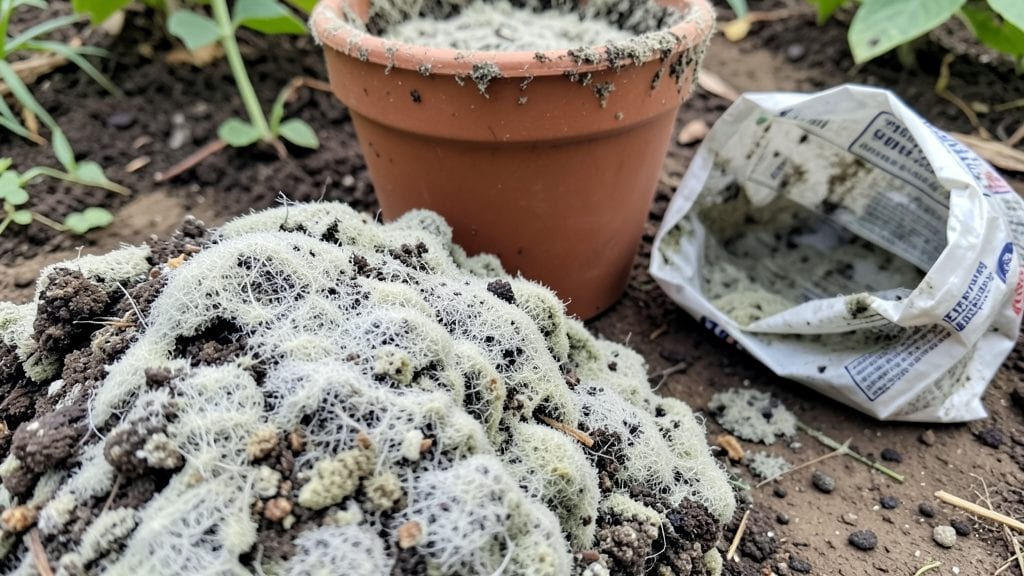
Garden centre mold turns fresh stock into a fungal nightmare faster than you can say "sold out." I’ve watched entire trays of seedlings and bulbs go from healthy to hopeless in just a few days—until I discovered this fungal block formula that keeps humidity in check and plants thriving.
The key isn’t just cleaning; it’s stopping mold before it starts with smart storage and airflow tricks that actually work.
Mold loves humidity, poor airflow, and crowded shelves—basically, the exact conditions of most garden centers. Seeds sprout mold before they even germinate, bulbs rot in their boxes, and potted plants develop fuzzy spots that spread like wildfire.
I’ve salvaged dozens of plants using a mix of baking soda sprays, dehumidifiers, and proper spacing, even in the dampest climates. The secret? Treating your storage like a mini greenhouse with controlled conditions.
With the right approach, you’ll save money, extend shelf life, and keep your stock looking fresh for customers. Imagine trays of seedlings staying crisp for weeks, bulbs arriving mold-free, and potted plants ready for sale without a single fuzzy spot.
The payoff is healthier plants, happier buyers, and zero wasted inventory—all with simple adjustments most gardeners overlook.
Whether you’re dealing with a damp basement, a humid warehouse, or just bad luck with rainy seasons, these methods adapt to any setup. Let’s tackle that mold before it tackles your stock.
Root Causes of Fungal Growth
Fungal spores are everywhere—even in the most pristine garden centers—but when they take over, they can turn vibrant plants into sad, moldy relics. Understanding the why behind mold outbreaks is the first step to stopping them. Let’s break down the key factors that turn harmless spores into a full-blown problem.
Fungi thrive in wet conditions because they need moisture to grow and spread. In garden centers, this often happens due to:
- Overwatering – Many nurseries and DIY gardeners water plants too frequently, especially in containers. When soil stays soggy for days, fungal spores germinate and multiply rapidly. - Poor Drainage – Pots without drainage holes or compacted soil trap water, creating the perfect breeding ground for mold.
Even outdoor beds with heavy clay soil can suffocate roots and invite fungal infections. - Humidity Traps – Greenhouses, indoor plant displays, and shaded areas with high humidity (above 70%) accelerate mold growth. Fungi like Botrytis and Phytophthora love these conditions.
Actionable Fix: 💡 Use well-draining potting mixes, elevate containers, and avoid watering until the top inch of soil is dry.
Fungi don’t just need moisture—they also love warmth (between 60–80°F or 15–27°C) and poor airflow. Here’s how it happens:
- Greenhouse Heat Buildup – Plastic or glass enclosures trap heat, increasing humidity and creating a fungal paradise. Without ventilation, spores spread unchecked. - Temperature Fluctuations – Sudden drops (like nighttime cooling) weaken plants, making them more susceptible to infection.
Fungi like Powdery Mildew exploit stressed plants. - Stagnant Air – Crowded plants or blocked airflow (from dense foliage or shelving) prevent evaporation, keeping surfaces damp longer.
Actionable Fix: ✨ Use fans for circulation, open vents during peak heat, and space plants to improve airflow.
Not all mold comes from spores in the air—some lurks in soil, compost, or gardening tools. Here’s how it spreads:
- Reused or Infected Soil – Old potting mix, garden soil, or compost with lingering fungal spores (like Fusarium or Pythium) can reintroduce mold when repurposed. - Dirty Tools & Pots – Pruners, trowels, and containers harbor spores between uses.
Even a small scrape can transfer mold from one plant to another. - Weakened Plants – Stressed plants (from pests, nutrient deficiencies, or transplant shock) have lower defenses, making them easy targets.
Actionable Fix: 🔥 Sterilize tools with 70% isopropyl alcohol, bake pots at 200°F (93°C) for 30 minutes, and avoid reusing contaminated soil.
Fungi feed on decaying plant material, so cluttered growing spaces speed up their spread:
- Dead Leaves & Debris – Fallen petals, spent blooms, or mulch piles provide food and shelter for mold. Botrytis cinerea (gray mold) often starts here. - Tight Planting – Overcrowded pots or garden beds trap moisture and block airflow, creating microclimates perfect for fungal growth. - Pruning Wounds – Open cuts from trimming or harvesting expose plants to infection.
If tools aren’t clean, spores hitch a ride right in.
Actionable Fix: 🌿 Remove dead plant matter immediately, thin out overcrowded areas, and prune with sharp, sterilized tools.
Plants under stress—whether from pH imbalances, over/under-fertilization, or poor nutrition—become prime fungal targets:
- High Nitrogen, Low Potassium – Too much nitrogen (common in fast-release fertilizers) weakens plant cell walls, making them easier for fungi to penetrate. - Acidic or Alkaline Soil – Most fungi prefer slightly acidic to neutral pH (6.0–7.0).
Extreme pH levels (below 5.5 or above 8.0) can disrupt beneficial microbes that suppress mold. - Micronutrient Deficiencies – Lack of calcium, magnesium, or phosphorus reduces plant resilience, leaving them vulnerable to infections.
Actionable Fix: 📊 Test soil pH and amend with lime (to raise pH) or sulfur (to lower it). Use a balanced fertilizer (e.g., 10-10-10) and avoid overdoing nitrogen.
Some pests don’t just damage plants—they open doors for mold.
For example: - Aphids & Spider Mites – Their sticky honeydew feeds sooty mold, a black fungal growth that smothers leaves. - Root-Knot Nematodes – These microscopic worms create wounds where fungi like Phytophthora can invade. - Caterpillars & Slugs – Chewed leaves and stems provide entry points for Botrytis and other pathogens.
Actionable Fix: 🛡️ Control pests with neem oil, insecticidal soap, or beneficial nematodes before mold takes hold.
Mold rarely appears out of nowhere—it’s usually the result of multiple factors working together. A single overwatered plant in a humid greenhouse with poor airflow? Fungal jackpot. The good news?
Fixing one or two of these issues can drastically reduce outbreaks. Start with drainage, airflow, and cleanliness, and you’ll see healthier plants in no time.
Quick Fixes for Fungal Foes
Mold and mildew in your garden center aren’t just unsightly—they can weaken plants, reduce sales, and even drive customers away. But don’t panic! With the right approach, you can banish fungal growth and keep your garden center thriving.
Below, we break down targeted solutions for common causes, from excess moisture to poor airflow, plus prevention tips to stop future outbreaks.
If mold thrives because of damp conditions, reduce humidity and improve drainage to starve the fungus.
🔥 Fix It Now: Immediate Actions
- 🍳 Increase Airflow – Use fans (even small USB-powered ones) near high-risk areas like potted plants or benches.
Aim for gentle circulation—just enough to dry surfaces without damaging foliage. - 👨🍳 Wipe Down Surfaces – Clean benches, shelves, and tools with a 1:10 bleach-water mix (or a vinegar-water spray for a natural option).
Let them dry completely before restocking. - 🥘 Elevate Potted Plants – Use plant stands or pallets to keep pots off damp floors. Ensure pots have drainage holes and empty saucers after watering. - ⏰ Adjust Watering Schedule – Water early in the day so foliage dries before evening.
Avoid overhead sprinklers that leave leaves wet.
💡 Prevention Tips
- 🌡️ Monitor Humidity – Keep levels below 60% with a dehumidifier or moisture absorbers (like silica gel packs).
- ✨ Use Mulch Wisely – If using organic mulch, keep it 2-3 inches away from plant stems to prevent moisture buildup.
- 🎯 Store Pots Properly – If stacking, leave space between rows for airflow.
Avoid plastic bins that trap moisture.
Stagnant air = fungus paradise. Break up the stillness to keep spores from settling.
🔥 Fix It Now: Boost Ventilation
- 🍳 Rearrange Displays – Move plants and decor at least 12 inches apart to improve airflow.
Avoid crowding benches with dense foliage. - 👨🍳 Install Shelf Fans – Small oscillating fans (even battery-operated) can make a big difference in tight spaces. - 🥘 Check for Blockages – Ensure HVAC vents, exhaust fans, or open windows aren’t obstructed by inventory or decorations. - ⏰ Open Doors Frequently – If possible, crack doors or windows for 10-15 minutes daily to refresh air.
💡 Prevention Tips
- 🌡️ Invest in a Small Dehumidifier – Place one in high-moisture zones like greenhouses or storage areas.
- ✨ Use Lightweight Materials – Replace heavy plastic covers with breathable fabric row covers to allow airflow while protecting plants.
- 🎯 Rotate Stock Weekly – Move plants around every 7-10 days to prevent mold hotspots from forming.
Leaves, soil, and plant clippings create fungal fuel. Remove them fast before they become breeding grounds.
🔥 Fix It Now: Deep Clean
- 🍳 Sweep & Vacuum Daily – Use a shop vac with a HEPA filter to catch fine spores.
Pay extra attention to corners, under shelves, and behind displays. - 👨🍳 Dispose of Wet Debris – Never compost moldy plant material—double-bag it and trash it immediately to avoid spreading spores. - 🥘 Sterilize Tools & Pots – Soak shears, trowels, and containers in a 10% bleach solution (or rubbing alcohol) for 10 minutes before rinsing. - ⏰ Prune Regularly – Remove dead leaves, yellowing foliage, and overgrown branches—these are mold magnets.
💡 Prevention Tips
- 🌡️ Use a Mold-Resistant Mulch – Switch to inorganic options like gravel, pebbles, or rubber mulch if organic debris is a recurring issue.
- ✨ Label & Date Stock – Keep track of new vs. old plants and rotate inventory so nothing sits unused for weeks.
- 🎯 Assign a "Clean Day" – Dedicate 10 minutes daily to quick tidying—it prevents small issues from becoming big problems.
Fungi love cool, damp conditions. Keep your garden center consistently warm and dry to discourage growth.
🔥 Fix It Now: Adjust the Environment
- 🍳 Use a Thermometer & Hygrometer – Aim for 65-75°F (18-24°C) and humidity below 60%.
- 👨🍳 Add Heat Sources – If your space gets chilly, use space heaters (safely placed!) or heat lamps near high-risk areas.
- 🥘 Avoid Cold Drafts – Keep windows and doors closed in damp weather, and seal gaps with weather stripping if needed.
- ⏰ Limit Evening Watering – If you must water late, use a soaker hose to avoid wetting foliage.
💡 Prevention Tips
- 🌡️ Install a Smart Thermostat – If your garden center has a small greenhouse or storage area, a programmable thermostat helps maintain steady temps.
- ✨ Use Reflective Surfaces – Light-colored walls and aluminum foil-lined shelves can reduce heat absorption and keep areas cooler in summer.
- 🎯 Plan for Seasonal Shifts – In spring/fall, watch for morning dew—cover sensitive plants with lightweight row covers until they dry.
If mold keeps returning despite your best efforts, targeted fungicides can be a final line of defense.
🔥 Fix It Now: Apply Treatments
🍳 Use Baking Soda Spray – Mix 1 tsp baking soda + 1 quart water + a few drops of dish soap.
Spray foliage and surfaces every 7-10 days. - 👨🍳 Try Neem Oil or Copper Fungicide – These organic options kill spores without harsh chemicals.
Follow label instructions for best results. - 🥘 For Severe Cases: Hydrogen Peroxide Spray – Use a 3% solution (1 part H₂O₂ to 3 parts water) to sanitize benches and tools. - ⏰ Preventative Sprays – Apply a fungicide spray (like Serenade or Mycorrhizal Blend) every 2-4 weeks as a shield.
💡 Prevention Tips
- 🌡️ Rotate Fungicides – If you use chemicals, switch types every few weeks to prevent resistance.
- ✨ Test Small Areas First – Some plants (like ferns or orchids) are sensitive to fungicides—always spot-test before full application.
- 🎯 Store Fungicides Properly – Keep them in a cool, dry place away from food or plant stock.
If mold spreads rapidly despite your efforts, or if you’re dealing with large-scale infestations, consider:
- 🔧 Professional Pest & Fungal Control Services – They can assess hidden moisture issues and apply industrial-strength treatments.
- 🏢 Building Inspections – Check for leaks, poor ventilation, or structural dampness that may need repairs.
Final Thought: The key to beating garden center mold is consistency. A little daily maintenance goes a long way—clean, dry, and airy spaces keep fungi from taking over.
Frequently asked questions about garden center mold
Why does mold keep coming back even after I clean?
Mold spores are microscopic and spread easily through air, water, and even on tools or soil. If you don’t address the root causes—like high humidity (above 60%) or poor airflow—new spores will just land and grow again. Focus on fixing ventilation, reducing moisture, and sterilizing surfaces regularly. A small dehumidifier or fan can make a huge difference!
Can I still sell plants that have mold on the leaves?
No, never sell plants with visible mold—they’ll spread spores to customers’ gardens and damage your reputation. Trim affected leaves immediately, treat with a baking soda spray (1 tsp per quart of water), and isolate the plant until it recovers. If the mold is severe, consider composting the plant (double-bagged) or treating it as a loss. Prevention is always better than cleanup!
What’s the fastest way to dry damp soil or potting mix?
Spread the soil on a clean, dry surface (like a baking sheet) in a sunny spot or under a fan. Avoid direct sunlight for delicate seeds—it can overheat. For potted plants, remove them from saucers, ensure pots have drainage holes, and let them air out for 1-2 hours daily. A shop vac with a HEPA filter can also help suck up excess moisture from around roots.
Are there any natural fungicides that actually work?
Yes! Neem oil (1 tsp per quart of water) and hydrogen peroxide (3% solution, 1:3 water ratio) are both effective and safe for most plants. For a quick fix, spray foliage and soil every 7-10 days. Another option is copper fungicide, which prevents spores from germinating. Always test a small area first—some plants (like ferns) are sensitive.
How do I know if my storage area has hidden mold?
Check for musty smells, black spots on walls/shelves, or condensation—these are red flags. Use a flashlight at an angle to spot mold in dark corners or behind displays. For hidden mold, tape a clear plastic sheet to a shelf overnight; if moisture appears, you’ve found a hotspot. A moisture meter ($20 at hardware stores) can also reveal damp areas before mold takes hold.