Pests and Diseases
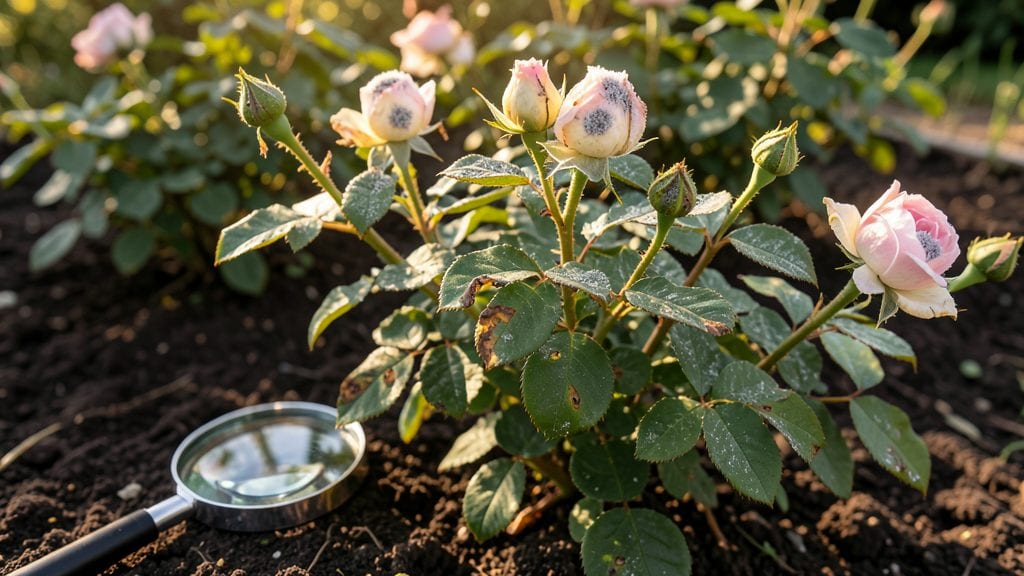
That fuzzy white stuff on your plants isn’t just unsightly—it can strangle your garden if you ignore it. ✨ I’ve battled white garden mold from my tomato vines to the patio pots, and I’ll show you how to banish it without harsh chemicals that harm your plants (or you).
The key is acting fast with the right mix of cleanup, airflow tricks, and organic sprays that actually work.
Most white mold starts with too much moisture—whether from overhead watering, crowded plants, or damp mulch. I learned the hard way when my impatiens turned into white powder puffs overnight. The good news?
You don’t need fancy tools or expensive sprays. A simple baking soda mix or neem oil spray can turn the tide, and adjusting how you water or prune makes all the difference.
By the end, your plants will look lush and healthy again, not just stripped of their white haze. You’ll spot the early warning signs, know exactly which remedies to grab, and keep your garden thriving all season. Let’s get those leaves clean and your plants breathing easy.
This works for vegetables, flowers, and even garden structures—no matter how bad the mold looks now. The fixes are simple, but they require a little patience and the right approach. Ready to reclaim your garden?
The Hidden Triggers Behind Fungal Growth
White garden mold—often mistaken for harmless fluff—is usually a sign of powdery mildew or downy mildew, two common fungal infections that thrive in specific conditions. Understanding these triggers is the first step to stopping the spread and protecting your plants.
Let’s break down the key factors that turn your garden into a fungal buffet. 🍄
Fungi love moisture, and when humidity levels rise above 70%—especially with stagnant air—spores germinate and spread rapidly. Poor airflow traps moisture against leaves and soil, creating the perfect breeding ground.
- Why it happens: High humidity slows evaporation, keeping surfaces damp longer. Fungal spores land on wet leaves and begin colonizing within 24 hours.
- Actionable fix: Space plants 12–18 inches apart for better airflow. Use a fan on low for 30 minutes daily in shaded areas.
- Pro tip: 💡 Morning watering (before 10 AM) reduces evening humidity buildup.
While plants need water, soggy soil and damp foliage create ideal conditions for fungal spores to latch on. Overwatering—especially without proper drainage—keeps roots and leaves persistently wet.
- Why it happens: Water droplets on leaves act as tiny fungal incubators. Poor drainage leads to root rot, weakening plants and making them susceptible to secondary infections.
- Actionable fix:
- Water deeply but infrequently—aim for 1 inch per week (adjust for climate).
- Use drip irrigation or soaker hoses to avoid wetting leaves.
- Ensure pots have drainage holes and raised beds have sandy soil mixes.
- Pro tip: ✨ Mulch with straw or wood chips to regulate soil moisture and reduce splash-back.
Plants under stress—whether from overcrowding, nutrient deficiency, or pest damage—produce sugary secretions (honeydew) that attract fungal spores. Tight spacing also blocks sunlight and airflow, accelerating mold growth.
- Why it happens: Stressed plants have lower defenses against pathogens. Honeydew from aphids or scale insects provides a food source for fungi like powdery mildew.
- Actionable fix:
- Prune plants to improve sunlight exposure (aim for 6–8 hours daily).
- Thin out seedlings or transplant overcrowded plants.
- Test soil for pH imbalances (ideal: 6.0–7.0 for most plants) and amend with compost.
- Pro tip: 🎯 Neem oil (1 tsp per quart of water) reduces stress and deters pests that weaken plants.
Rich, organic soil is a double-edged sword—while it feeds plants, it also provides nutrients for fungal growth. Dead leaves, grass clippings, and compost piles can harbor spores, especially if left damp.
- Why it happens: Decomposing matter releases nitrogen and sugars, fueling fungal colonies. Compacted or waterlogged soil restricts root growth, making plants more vulnerable.
- Actionable fix:
- Remove fallen leaves and debris from plant bases (keep a 6-inch radius clear).
- Use well-aged compost (avoid fresh manure, which can introduce pathogens).
- Add perlite or vermiculite to improve soil aeration.
- Pro tip: 🌡️ Solarize soil in late summer by covering it with clear plastic for 4–6 weeks to kill fungal spores.
By addressing these root causes, you’ll disrupt the fungal lifecycle and give your plants the dry, stress-free environment they need to thrive. Next, we’ll explore natural remedies to kick mold out of your garden for good. 🚀
Fixing Fungal Foes Naturally
White garden mold—whether it’s fuzzy, powdery, or slimy—can feel like an unwelcome guest in your green sanctuary. But before reaching for harsh chemicals, try these targeted, plant-safe solutions tailored to the root cause of your mold problem.
Below, we map common triggers to simple fixes, plus prevention tips to keep your garden thriving without the fuss.
Cause: Excess moisture creates the perfect breeding ground for mold spores, especially in dense or poorly draining soil.
Fix It:
- 🔥 Step 1: Reduce Watering Immediately Let the top 1–2 inches of soil dry out completely before watering again. Use your finger to test moisture—if it’s damp past the first knuckle, wait.
- 🍳 Step 2: Improve Drainage Mix in coarse sand, perlite, or compost (20–30%) to loosen heavy soil. For containers, ensure pots have drainage holes and elevate them slightly.
- 👨🍳 Step 3: Mulch Strategically Apply a 2–3 inch layer of organic mulch (straw, wood chips, or pine needles) to absorb excess moisture and regulate soil temperature. Avoid piling mulch directly against plant stems—leave a 1-inch gap to prevent rot.
💡 Pro Tip: Water in the early morning so foliage dries by evening, reducing humidity around plants.
Cause: Fungal spores thrive on leaf surfaces, especially in humid or shaded areas. Common culprits include powdery mildew or downy mildew.
Fix It:
- 🔪 Step 1: Prune Infected Areas Snip off yellowed, spotted, or moldy leaves with clean, sterilized scissors. Dispose of clippings in the trash (not compost)—they can reinfect your garden.
- 🥘 Step 2: Clean Leaves with a Fungicide-Free Spray Mix 1 tablespoon baking soda + 1 tablespoon vegetable oil + 1 teaspoon mild soap per quart of water. Spray both sides of leaves thoroughly. Reapply every 7–10 days until mold disappears.
- 🌡️ Step 3: Boost Airflow Thin out crowded plants, stake tall varieties, and prune nearby branches blocking sunlight. Aim for 3–4 hours of direct sunlight daily for susceptible plants like tomatoes, cucumbers, and roses.
✨ Prevention Hack: Sprinkle diatomaceous earth (food-grade) lightly on soil around plants—it’s a natural antifungal that won’t harm beneficial insects.
Cause: Compacted soil, fallen leaves, or organic debris traps moisture, leading to slime mold (like Fuligo septica) or bacterial growth.
Fix It:
- 🔥 Step 1: Remove Debris Rake away leaves, mulch, or plant litter from the soil surface. These act as mold incubators.
- 👨🍳 Step 2: Aerate the Soil Use a fork or garden aerator to poke holes in compacted areas. For lawns, consider core aeration in spring or fall.
- 🥘 Step 3: Apply Hydrogen Peroxide (3%) Mix 1 part hydrogen peroxide to 10 parts water in a spray bottle. Drench the affected area—it kills mold spores on contact and oxygenates the soil. Test on a small patch first to avoid bleaching plants.
🎯 Long-Term Fix: Rotate crops annually and plant mold-resistant varieties (e.g., marigolds, basil, or thyme) to disrupt fungal cycles.
Once your garden is mold-free, keep it that way with these low-effort strategies:
- 💡 Space Plants Properly Follow seed packet spacing guidelines—crowded plants = trapped humidity.
- 🌡️ Monitor Humidity Use a hygrometer to keep levels below 60%. Add a dehumidifier to greenhouses or shade cloths to outdoor beds.
- 🍃 Choose Resistant Plants Opt for drought-tolerant succulents, lavender, or oregano—they thrive in drier conditions.
- 🔄 Rotate Garden Beds Avoid planting the same crops in the same spot yearly to break fungal life cycles.
- 🌱 Feed Your Soil Compost tea or mycorrhizal fungi (available at garden centers) strengthen plant roots, making them less susceptible to mold.
Remember: Patience is key—some fixes take 2–4 weeks to show full results. But with consistent care, your garden will bounce back stronger and mold-free! 🌱💚
Frequently asked questions about garden mold
Is all white garden mold harmful to my plants?
Not always! Some white growth is harmless, like harmless white mold on soil (often just fungal threads breaking down organic matter). But powdery mildew or downy mildew on leaves can weaken plants. Check the location: mold on soil is usually safe, while fuzzy white patches on foliage need treatment.
Why does my garden keep getting mold even after I clean it?
Mold often returns if the underlying conditions persist—like high humidity or poor airflow. Focus on fixing drainage, spacing plants 12–18 inches apart, and watering in the morning. A dehumidifier or fan can also help break the cycle.
Can I use vinegar to kill white mold on plants?
Yes, but dilute it! Mix 1 part white vinegar to 3 parts water and spray on affected areas (avoid direct sunlight after application). Vinegar’s acidity disrupts fungal growth, but it can burn leaves if too strong. Test on a small area first.
Will composting help or worsen garden mold?
Compost can help if it’s hot and well-aerated. Cold, damp piles breed mold. Turn your compost frequently and keep it moist (like a wrung-out sponge). Add browns (leaves, straw) to balance greens (veggie scraps) to prevent moldy compost.
How do I know if my white mold is powdery mildew vs. something else?
Powdery mildew appears as white, powdery patches on leaves (usually top sides). Downy mildew looks fuzzy and grayish on undersides. Slime mold is slimy and moves! Check leaf texture and location—powdery mildew is the most common garden offender.