Pests
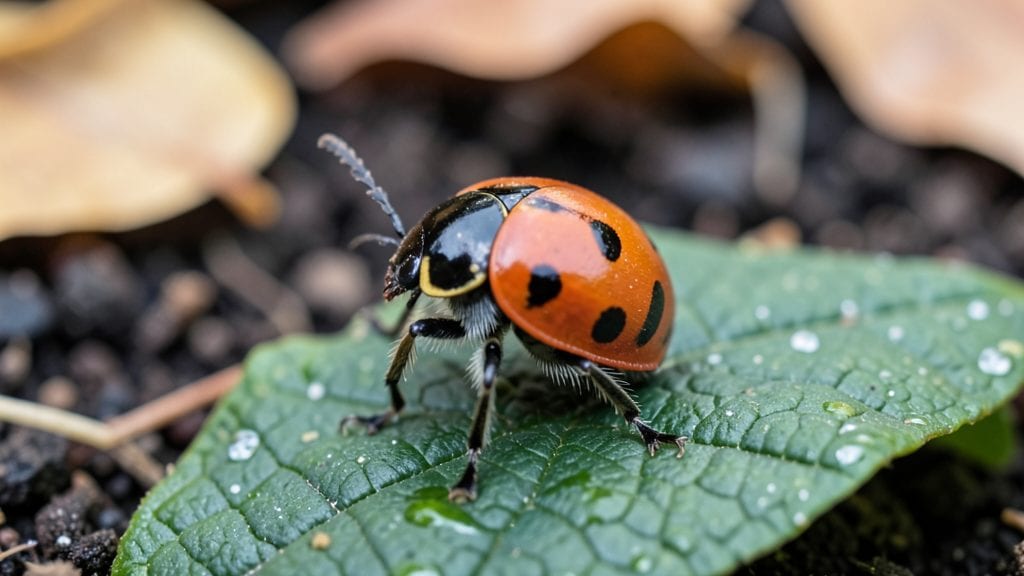
Mastering garden beetles identification at first glance saves your plants from becoming a beetle buffet—until you spot their telltale signs. 🌿 I’ve spent years watching these metallic invaders chew through roses, potatoes, and even my prized tomatoes.
The key isn’t just spotting them, but knowing whether they’re destructive pests or helpful predators lurking in your soil.
Japanese beetles, with their coppery wings and white tufts, are the worst offenders—stripping leaves in minutes. Colorado potato beetles, striped orange-and-black, target nightshades like a laser. But ground beetles, sleek and black, patrol your garden like tiny security guards, eating slugs and pests instead.
Habitat clues matter too: look under rocks or in mulch for grubs, or check leaves for skeletonized patterns.
Once you recognize the culprits, you’ll catch them early—before they skeletonize your zucchini or devour your dahlias. I’ll show you how to monitor for signs like chewed leaves, frass (tiny beetle poop), or wilting stems.
The right traps, neem oil sprays, or even a simple soapy water mix can turn the tide without harming pollinators or your yard’s balance.
This isn’t just about spotting beetles—it’s about understanding their role in your garden’s ecosystem. Beneficial beetles keep pests in check, while the destructive ones need quick action. Let’s turn your garden into a fortress where the good guys win, and the bad ones get the boot.
📚 In This Guide
- What you need
- Instructions
- Tips and common mistakes
- Wrapping up and next steps
What you need
- ● Hand lens or magnifying glass (10x magnification recommended) – for close-up inspection of beetle features like antennae, wing covers, and leg details.
- ● Field guide or smartphone with a beetle ID app (e.g., iNaturalist, BugGuide, or PictureThis) – to cross-reference your findings.
- ● Notebook or digital note-taking tool – to record observations (date, location, size, behavior, and damage signs).
- ● Measuring tape or ruler – to estimate beetle size (most garden beetles range from ¼ to 2 inches long).
- ● Clear plastic container with lid (small, like a mason jar) – for temporarily capturing beetles for closer study (release them afterward!).
- ● Camera or smartphone with macro mode – to capture high-resolution images of beetles and damage (natural light works best!).
- ○ Gloves (optional but recommended) – to protect your hands from potential irritants or bites (e.g., blister beetles).
- ● UV flashlight – some beetles fluoresce under UV light, making identification easier.
- ● Entomology net – for gently sweeping beetles off plants into your container.
- ● Printed checklist of common garden beetles (e.g., Japanese beetles, Colorado potato beetles, ladybugs) – to compare against your findings.
- ● Pest management guide – if you plan to address damage (e.g., organic sprays, traps, or cultural controls).
How to identify common garden beetles and their damage
Here’s how to tell friend from foe in your garden—no entomologist degree required.
🪲 Step 1: Spot the Most Common Garden Beetles
Start by learning the four most destructive beetles in U.S. gardens. The Japanese beetle (green with copper wings) chews leaves into lace-like skeletons. The colorado potato beetle (striped yellow/black larvae) devours potato and tomato foliage. June bugs (brown, winged adults) create nighttime racket and munch grass roots. Finally, flea beetles (tiny, jumping black specks) pepper leaves with holes.
I always check for these first because they’re the most aggressive. Look under leaves, on stems, and near soil—beetles hide in crevices during the day. A 10x hand lens helps spot tiny flea beetles or larvae you might miss otherwise. Japanese beetles often gather in groups on flowers like roses, while June bugs prefer evening activity.
🌿 Step 2: Examine Damage Patterns
Beetle damage leaves telltale signs. Japanese beetles skeletonize leaves, leaving veins intact. Colorado potato beetles create irregular holes with frass (chewed leaf debris) scattered below. Flea beetles make shotgun-like holes, while June bugs chew broad, ragged edges on grass blades.
Here’s the thing—some damage looks similar. For example, slugs also create ragged holes, but they leave a silvery slime trail. Beetles don’t. I check for these trails when I’m unsure. Also, beetle damage often appears in clusters where the pests feed together, while other pests like caterpillars tend to work solo.
🔍 Step 3: Inspect for Larvae and Eggs
Adult beetles are easy to spot, but their larvae do the most damage. Japanese beetle grubs (white, C-shaped) live in soil, while colorado potato beetle larvae (striped orange/black) hide under leaves. Dig around plant bases with a trowel to check for grubs—1 inch below soil is where they usually lurk.
Eggs are trickier. Flea beetle eggs look like tiny black specks on leaf undersides, while June bug eggs are laid in soil clumps. I use a magnifying glass to inspect leaf undersides and soil cracks. If you find clusters of tiny eggs, act fast—larvae emerge quickly and start feeding.
✂️ Step 4: Confirm with Physical Traits
Size and markings distinguish beetles. Japanese beetles are ½-inch long, shiny green with copper wings. Colorado potato beetles are ⅓-inch, yellow with black stripes. June bugs are ½-inch, brown with no markings. Flea beetles are ⅛-inch, jet black with tiny jumps.
Pay attention to wing covers (elytra). Japanese beetles have a metallic sheen, while June bugs appear dull. I keep a field guide or phone app handy for tricky IDs. If you’re still unsure, take photos of the beetle, damage, and location—many gardening forums can help confirm your ID.
🌱 Step 5: Choose Control Based on Identification
Once you’ve ID’d the beetle, target control methods. Japanese beetles respond to handpicking (drop in soapy water) or neem oil sprays. Colorado potato beetles need row covers or pyrethrin sprays. Flea beetles are deterred by reflective mulch or diatomaceous earth. June bugs require grub control in lawns with milky spore or grub-specific baits.
Real talk: Overusing pesticides can harm beneficial insects. I only spray when damage exceeds 10% of foliage—that’s the threshold where plants struggle to recover. For severe infestations, combine methods (e.g., handpick adults + use row covers for larvae).
Tips & tricks for garden beetle identification
Don't let these sneaky garden pests fool you—here are my best tips to nail their identification every time.
Timing is Everything: Japanese beetles are most active between 10 AM and 4 PM when temperatures hit 80°F or higher. That's when they're easiest to spot on flowers like roses or grapes. Flea beetles, on the other hand, are most visible in the morning when dew is still on leaves—their tiny size makes them harder to see later in the day. I always check these peak times to avoid missing them.
Lighting Makes All the Difference: Use a bright LED headlamp or flashlight when inspecting plants, especially for tiny flea beetles or eggs. Natural sunlight works too, but artificial light helps you see the subtle differences in wing covers (elytra) that distinguish beetle species. I keep mine handy in my gardening toolkit—it's saved me from misidentifying beetles countless times.
Damage Patterns Tell the Whole Story: When examining leaf damage, look beyond just the holes. Japanese beetle feeding leaves behind intact leaf veins that create a "lace" pattern, while Colorado potato beetle damage often has frass (chewed leaf bits) scattered below. I keep a small magnifying glass in my pocket to really study these patterns—it's amazing how much detail you miss with the naked eye.
Seasonal Timing Matters: Japanese beetles typically appear in late June to August, while Colorado potato beetles start showing up in May and can have multiple generations through summer. June bugs are most active in late spring to early summer during evening hours. Knowing these windows helps you focus your inspections and control efforts during the most critical periods.
Pro Tips for Garden Beetles Identification
- Don't let these sneaky garden pests fool you—here are my best tips to nail their identification every time.
- Timing is Everything: Japanese beetles are most active between 10 AM and 4 PM when temperatures hit 80°F or higher.
- Lighting Makes All the Difference: Use a bright LED headlamp or flashlight when inspecting plants, especially for tiny flea beetles or eggs.
Frequently asked questions
Got questions about garden beetles?
You’re not alone! Here are some of the most common queries—and their answers—to help you navigate beetle identification with confidence.
How do I tell if a beetle is harmful to my garden?
Not all beetles are pests! Look for chewed leaves, holes in stems, or grubs in soil—these are red flags. Japanese beetles and Colorado potato beetles are notorious offenders, while lady beetles (ladybugs) are beneficial. When in doubt, snap a photo and compare it to a visual guide.
When is the best time to identify and control beetles?
Timing is key! Spot adult beetles in late spring to summer (they’re most active then), while grubs lurk in soil early spring or fall. Act fast if you see damage—early intervention prevents outbreaks. Pro tip: Check plants early morning when beetles are sluggish and easier to spot.
What’s the best way to get rid of garden beetles naturally?
Skip the chemicals! Try neem oil, soapy water sprays, or row covers to trap adults. For grubs, encourage predators like birds or beneficial nematodes. Handpick beetles into soapy water (gross but effective!) during peak activity hours (10 AM–4 PM).
Can beetles actually help my garden?
Many beetles are pollinators or pest predators. Lady beetles devour aphids, while ground beetles hunt slugs. Focus on protecting the good guys—avoid broad-spectrum pesticides and plant diverse flowers to attract beneficial species.
What should I do if beetles keep coming back?
Persistent beetles often mean favorable conditions (moist soil, overwatered plants). Improve drainage, remove debris where they hide, and rotate crops yearly. For severe infestations, consider milky spore (for grubs) or kaolin clay as a barrier. Consistency is key!
Wrapping up and next steps
Identifying garden beetles doesn’t have to be a daunting task—with the right visual cues and knowledge of their habits, you’ll quickly spot the good, the bad, and the just curious. 🐞 Whether you’re protecting your prized roses or simply satisfying your curiosity, recognizing these critters helps you take action (or just admire their quirks!).
Ready to become a beetle-savvy gardener? Start by keeping a simple journal of sightings—note their size, color, and any damage they leave behind. Over time, you’ll build confidence in your ID skills and even predict their visits! Happy gardening! 🌱