Pests
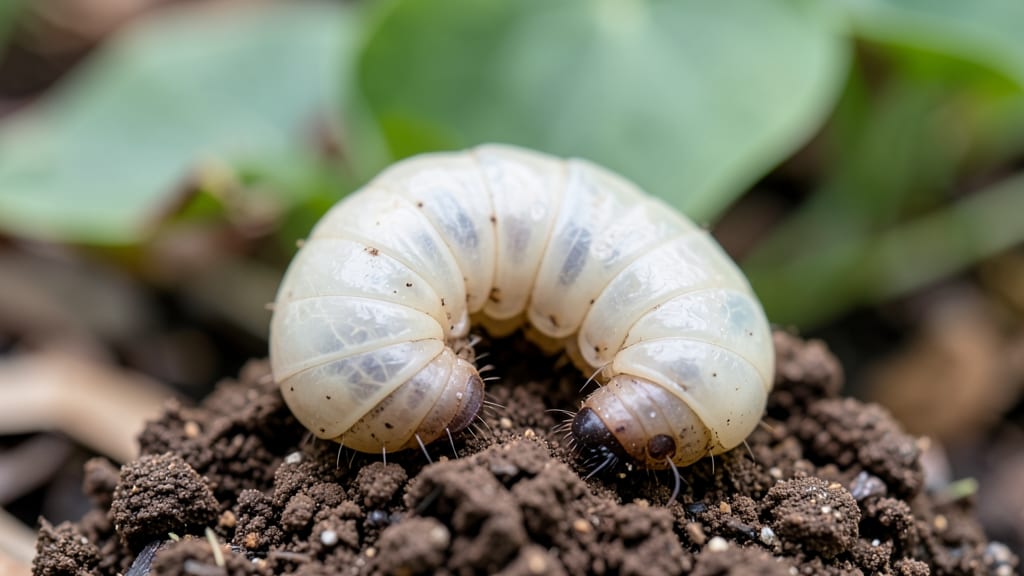
Identifying garden grubs starts with spotting their sneaky damage—chewed stems, hollowed leaves, or wilting plants that look like they’re thirsty but aren’t. 🌱 I’ve spent years pulling these critters out of my soil, and the key is knowing what to look for before they turn your garden into a buffet.
The wrong ID leads to wasted time and money on the wrong fixes, so let’s cut through the confusion.
The most common culprits—cutworms, wireworms, and Japanese beetle larvae—each leave distinct clues. Cutworms slice stems at soil level like a hot knife, wireworms gnaw roots and leave jagged holes in tubers, and beetle larvae chew broad, irregular patterns on leaves.
I once mistook grubs for slug damage until I flipped over a wilting tomato plant and found a fat, C-shaped intruder munching on the roots.
Once you spot the damage, you’ll know exactly how to act: handpick cutworms at night (they’re sluggish then), use row covers for wireworms, or introduce beneficial nematodes for beetle larvae. The right fix depends on the grub, not just the damage. You’ll save your plants—and your sanity—by acting fast.
This works for any garden, from raised beds to in-ground plots, and even container gardens if pests find their way in. The trick is catching them early, before they become a full-blown infestation. Let’s get those grubs identified so you can get back to growing.
Why it happens
H2: The Hidden Triggers Behind Grubs
Garden grubs—those squirming, often overlooked larvae—don’t just appear out of nowhere. Their presence is usually a direct response to specific conditions in your soil, plants, or even your gardening habits.
Understanding why these pests invade helps you prevent future infestations. Below, we break down the most common causes, backed by science, so you can tackle the root of the problem.
🌱 Overwatered or Poorly Drained Soil
Grubs like Japanese beetle larvae and white grubs thrive in soggy, waterlogged soil because it mimics their natural damp habitats.
Excess moisture creates the perfect breeding ground, while poor drainage prevents beneficial microbes and fungi from outcompeting grub populations. Actionable fix: Improve soil aeration with organic matter (like compost) and install drainage solutions like French drains or raised beds.
🍃 Weak or Stressed Plants
Plants under stress—whether from drought, nutrient deficiencies, or disease—emit chemical signals that attract grub-loving pests.
For example, cutworm larvae target weakened seedlings because they’re easier to consume. Why it happens: Stressed plants produce higher levels of sugars and amino acids, which act as a "come and get it" beacon for grubs. Actionable fix: Maintain consistent watering, use balanced fertilizers, and remove diseased foliage promptly.
🌍 Lack of Natural Predators
Grubs are part of a delicate ecosystem. Birds, toads, and predatory beetles (like ground beetles) naturally keep their populations in check.
When these predators disappear—due to pesticide use, habitat loss, or climate shifts—grubs multiply unchecked. Science note: Studies show that gardens with diverse wildlife have up to 70% fewer grub infestations compared to monoculture plots. Actionable fix: Plant native flowers to attract predators, avoid broad-spectrum pesticides, and install birdhouses or toad-friendly shelters.
🌾 Excess Organic Matter in Soil
While compost is great for plants, too much organic material can become a grub buffet.
Decomposing leaves, grass clippings, and wood chips create a nutrient-rich layer where grubs burrow and feed. Why it happens: Grubs like chafer beetle larvae prefer soft, decaying organic matter because it’s easy to digest. Actionable fix: Spread compost evenly (no thick layers) and pair it with sand or perlite to reduce moisture retention.
🌿 Seasonal Timing and Life Cycles
Many grubs follow predictable life cycles tied to seasonal changes. For instance, May/June beetle larvae hatch in late summer and overwinter in the soil, emerging in spring to feed on roots.
If you’re planting during peak grub activity (usually late spring to early fall), your new plants become easy targets. Actionable fix: Time plantings to avoid grub-heavy periods or use protective barriers like row covers for seedlings.
🔬 Human Mistakes: Over-Fertilization
Ironically, too much nitrogen fertilizer can invite grubs.
While it boosts plant growth, it also attracts pests like wireworms (click beetle larvae), which are drawn to the high-protein environment. Why it happens: Excess nitrogen alters soil pH and microbial activity, creating conditions grubs find irresistible. Actionable fix: Use slow-release fertilizers and conduct soil tests to avoid overapplication.
Quick Fixes for Garden Grub Woes
Got unwanted critters munching on your plants? Don’t panic—there are practical, eco-friendly ways to tackle garden grubs and keep your yard thriving. Below are targeted solutions based on the most common causes, from organic remedies to preventative measures.
---
Fix: Improve soil drainage and aeration to disrupt grub habitats. - 🔥 Loosen the Soil: Use a garden fork or aerator to break up compacted areas, especially in lawns or garden beds. Aim for 4–6 inches deep. - 💡 Drainage Boost: Amend heavy clay soil with compost or sand to improve water flow. Grubs thrive in soggy conditions—dry spells help deter them. - ✨ Mulch Strategically: Apply a thin layer of organic mulch (like straw or wood chips) to retain moisture without creating a damp, grub-friendly layer.
Prevent Future Issues: - Test your soil’s drainage with a simple DIY test: Dig a 6-inch hole, fill it with water, and time how long it takes to drain. If it’s slower than 6 hours, amend the soil. - Avoid overwatering—stick to deep, infrequent watering (1–1.5 inches per week) to discourage grubs.
---
Fix: Remove grubs manually or use natural repellents to protect plants. - 👨🍳 Handpick Grubs: Check under leaves and in soil near damaged stems. Drop them into soapy water to kill them instantly. - 🥘 Nematode Treatment: Apply beneficial nematodes (like Heterorhabditis bacteriophora) to your soil. These microscopic worms seek out and kill grubs naturally. Best done in early morning or evening for effectiveness. - 🔪 Neem Oil Spray: Mix 2 tbsp neem oil with 1 tsp mild soap and 1 quart of water. Spray on leaves and soil—grubs dislike the bitter taste and will avoid treated areas.
Prevent Future Damage: - 🌡️ Rotate Crops: If grubs target specific plants (like tomatoes or peppers), rotate their placement yearly to break their feeding cycle. - 🎯 Companion Planting: Interplant with marigolds, basil, or garlic—their strong scents repel many grub species.
---
Fix: Target grubs in the lawn with organic or chemical options. - 🔪 Milky Spore Treatment: For Japanese beetle grubs, apply milky spore powder (a natural bacteria) to your lawn. It spreads over time, reducing grub populations for years. - 🍳 Diatomaceous Earth: Sprinkle food-grade DE lightly over the lawn. It dehydrates grubs on contact—reapply after rain. - 💡 Lawn Aeration + Overseeding: Thick, healthy grass outcompetes grubs. Aerate in fall, then overseed with a grub-resistant grass variety like tall fescue.
Prevent Future Lawn Damage: - ⏰ Mow High: Keep grass at 3–4 inches tall to shade soil and deter egg-laying adults. - 🌱 Fertilize Smartly: Avoid high-nitrogen fertilizers in late summer (when grubs are most active). Opt for slow-release, balanced formulas instead.
--- Fix: Use targeted treatments for heavy grub populations. - 🔪 Chemical Controls (Last Resort): If grubs are devastating your garden, use imidacloprid or carbaryl (follow label instructions carefully).
Spot-treat affected areas rather than blanket-applying. - 🌱 Trap Cropping: Plant bean or corn in a distant part of your yard to lure grubs away from prized plants. Remove and destroy trap plants when grubs infest them.
Prevent Recurrence: - 🌡️ Monitor Adult Beetles: Set up yellow sticky traps in early summer to catch adult Japanese beetles before they lay eggs. - 🔥 Solarize Soil (For Small Areas): Cover infested soil with clear plastic for 4–6 weeks in hot sun. The heat kills grubs and eggs.
--- - 🌱 Encourage Predators: Birds, toads, and ground beetles eat grubs.
Install a birdbath or toad house to attract these natural allies. - 🔥 Crop Rotation + Cleanup: Remove plant debris and dead leaves in fall—grubs overwinter in these hiding spots. - 🌡️ Soil Temperature Matters: Grubs are less active in cooler months (below 50°F).
Time treatments for spring or early summer when they’re most active.
--- Remember: Consistency is key! Combine prevention (soil health, companion planting) with targeted fixes (nematodes, handpicking) for the best results. With these strategies, your garden will stay grub-free and flourishing. 🌿✨
Frequently asked questions about garden grubs
What are the most common types of garden grubs I should watch for?
The most destructive garden grubs include cutworms (they slice stems at soil level), wireworms (gnarled, hard-bodied larvae that chew roots), and Japanese beetle larvae (white, C-shaped grubs that attack roots and lawns). Each leaves distinct damage patterns—cutworms create clean cuts, wireworms leave jagged holes in tubers, and beetle larvae create irregular feeding tunnels.
How can I tell if my wilting plants are damaged by grubs or something else?
Dig up the plant roots—if you find fat, creamy-white grubs munching away, that’s your culprit. Other signs include hollow stems (cutworms), chewed leaves with frass (insect droppings), or sudden wilting despite proper watering. Compare these clues to common pest patterns to narrow it down.
Are there any safe, organic ways to get rid of grubs without chemicals?
Yes! Try beneficial nematodes (microscopic worms that kill grubs), neem oil sprays, or handpicking at night when grubs are sluggish. For lawns, milky spore powder targets Japanese beetle larvae naturally. Always combine these with soil improvements like aeration to disrupt their habitat.
When is the best time of year to treat for grubs?
Spring and early summer are critical—this is when grubs are most active after overwintering. Apply nematodes or organic treatments in morning or evening when soil is moist but not soggy. For lawns, late summer (when beetles lay eggs) is also key for preventative measures like milky spore applications.
Can grubs survive in containers or raised beds?
Grubs can infest containers if they hitch a ride in soil or compost. To prevent this, use sterile potting mix, avoid overwatering (grubs love damp conditions), and inspect new plants for hidden larvae before transplanting. Raised beds are safer if you start with clean soil and monitor regularly.