
Tools
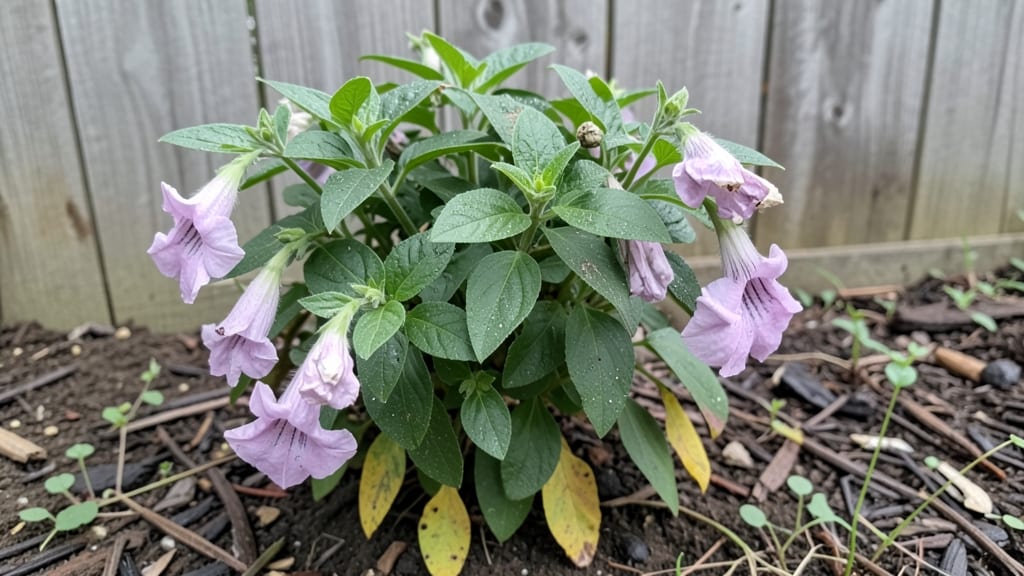
Growing garden balsam seeds means bold, velvety blooms within weeks—not months. 🌸 I’ve watched these fast growers transform bare spots into riotous color by midsummer, and the secret isn’t complicated: they need warmth, patience, and just enough moisture to wake them up.
The trickiest part? Germination can take 2-3 weeks—longer than most seeds. I solved this by keeping trays in a 75°F spot with plastic wrap until sprouts peek through, then moving them to bright, indirect light. Once seedlings have two true leaves, they’re ready for their permanent home.
By late spring, you’ll be pinching back leggy stems to encourage bushier growth, and the payoff is worth it: nonstop blooms from June until frost. These shade-loving stars thrive in pots or garden beds, and they’re tough enough to handle occasional neglect once established.
Fair warning: they’re annuals, so plan to replant next year—but the fast, foolproof results make it worth the tiny effort. Let’s get those seeds sprouting!
📚 In This Guide
- What you need
- Instructions
- Tips and common mistakes
- Wrapping up and next steps
What you need
- ● Garden balsam seeds: 1 packet (typically contains 50–100 seeds; choose heirloom or hybrid varieties for best results).
- ● Seed-starting trays or biodegradable pots: 50–100 cell trays or 2–3 inch pots (for transplanting later).
- ● Seed-starting mix: 1–2 bags (sterilized, well-draining potting soil blend).
- ● Spray bottle: For gentle watering (avoid over-saturating seeds).
- ● Plastic wrap or humidity dome: To retain moisture during germination.
- ● Grow lights or sunny windowsill: A 4–6 inch LED grow light (or a south-facing window with 6+ hours of sunlight).
- ○ Fertilizer (optional but helpful): Balanced liquid fertilizer (5-10-5 or 10-10-10 ratio) for seedlings.
- ● Garden soil or containers: Well-draining potting mix or garden beds (amend with compost for nutrient-rich soil).
- ● Heat mat: Speeds up germination (ideal for cooler climates).
- ● Plant labels: To track varieties and planting dates.
- ● Pruning shears: For deadheading spent blooms (encourages more flowers!).
- ● Mulch: Straw or shredded leaves to retain soil moisture.
- ● Gloves: Protects hands from prickly stems (especially when handling mature plants).
Step-by-step instructions for growing garden balsam from seeds
Here’s how to grow vibrant garden balsam in record time—expect blooms in just 6-8 weeks from seed.
🌱 Step 1: Start Seeds Indoors for a Head Start
Plant 4-6 seeds per 2-inch cell in the seed-starting mix about ¼ inch deep. Press gently but don’t pack the soil—you want it light enough for delicate roots to penetrate. I like to use a toothpick to make small holes for each seed, which keeps them evenly spaced and prevents overcrowding.
Cover the tray with a clear plastic dome or wrap it loosely with plastic wrap to trap warmth and moisture. Place the tray on a seedling heat mat set to 70-75°F—this speeds germination to 7-10 days. Without heat, seeds may take 2-3 weeks to sprout, and that delays your colorful display.
Check daily for condensation on the dome. If it’s dripping, lift it for 10 minutes to air out the tray. Overly humid conditions invite damping-off, a fungal disease that collapses seedlings overnight. You’ll know it’s time to remove the dome entirely once 50% of seeds have sprouted—this signals they’re strong enough to handle normal air circulation.
💧 Step 2: Provide Bright Light and Gentle Watering
The moment those first cotyledons (the tiny round leaves) appear, move the tray under a grow light positioned 2-3 inches above the seedlings. Garden balsam craves 14-16 hours of light daily, and a south-facing window alone won’t cut it—you’ll see leggy, weak stems reaching toward the light if it’s too far away.
Water from the bottom by placing the tray in ½ inch of warm water for 10 minutes. This ensures even moisture without disturbing the fragile roots. Let the seedlings drain completely before returning them to their tray. Overwatering is the #1 killer of young balsam—yellowing leaves mean you’re keeping the soil too soggy.
Once seedlings develop their second set of true leaves (the larger, serrated ones), fertilize lightly with a diluted liquid fertilizer (half-strength). This jumpstarts their growth without overwhelming them. I use a balanced 10-10-10 formula, but anything labeled for seedlings works.
☀️ Step 3: Harden Off and Transplant After Frost
About 2 weeks before your last frost date, begin hardening off the seedlings. Start by placing them outside in a sheltered, shaded spot for 1 hour the first day, then gradually increase their time outdoors by 1 hour daily until they’re acclimated to full sun. This process prevents transplant shock—you’ll see leaves that stay crisp and green instead of wilting or turning brown.
Choose a sunny spot in your garden that gets at least 6 hours of direct sunlight daily. Garden balsam thrives in well-draining soil with a pH of 6.0-7.0, so if your soil is heavy clay, mix in 1-2 inches of compost to improve drainage. Space seedlings 10-12 inches apart—they’ll bush out quickly and need room to avoid crowding.
Transplant on a cool, overcast afternoon to reduce stress. Water deeply at the base to settle the soil around the roots, and mulch with 1 inch of organic mulch to retain moisture and suppress weeds. You’ll notice new growth within 3-5 days—that’s your sign they’ve taken root.
✂️ Step 4: Deadhead and Encourage Continuous Blooms
Pinch back the tips of young plants when they’re 6 inches tall to encourage bushier growth. This simple step prevents tall, spindly stems and triggers more flowers. You’ll see multiple side shoots form within 2 weeks, giving you a fuller, more vibrant plant.
Once flowers open, deadhead spent blooms every 3-4 days by snipping them off just above the next set of leaves. This redirects the plant’s energy into producing new flowers instead of seeds. I use clean, sharp scissors to avoid damaging the stems—crushed or torn stems invite disease.
Fertilize lightly every 4-6 weeks with a balanced fertilizer during the growing season. Too much nitrogen will boost foliage at the expense of blooms, so stick to a low-nitrogen formula (like 5-10-5) once flowers appear. You’ll be rewarded with nonstop color from early summer until frost—that’s the magic of garden balsam!
Tips & tricks for growing garden balsam from seeds
Here's how to accelerate your garden balsam's growth while avoiding common pitfalls that slow down blooming.
Heat Factor: That 70-75°F heat mat temperature is non-negotiable for fast germination. I've seen seeds take 2-3 weeks without it—don't skip this step if you want those 6-8 week blooms. For even faster results, place a small space heater near the tray (just don't let it blow directly on the seeds). The goal is consistent warmth, not extreme heat.
Lighting Secret: Those 14-16 hours of light daily are critical for preventing leggy seedlings. If your grow light flickers or dims, move it closer—2-3 inches is ideal. I've had to replace faulty LED bulbs that didn't provide enough intensity, and the difference in seedling strength was night and day. For budget options, consider a simple T5 fluorescent grow light which provides consistent spectrum for plant growth.
Germination Strategy: The moment you see 50% germination, remove the dome completely—don't wait until all seeds sprout. This prevents damping-off by improving air circulation. I've lost entire trays to this fungal disease when I waited too long. Also, make sure your seed-starting mix is sterile—regular potting soil often contains pathogens that attack young seedlings.
Transplant Timing: That 2-week hardening off period before last frost is your secret weapon. I've transplanted too early and watched seedlings wilt dramatically when night temperatures dropped. Start with just 1 hour of outdoor exposure and gradually increase—your plants will thank you with vibrant, healthy growth instead of shock symptoms.
Pro Tips for Garden Balsam Seeds
- Here's how to accelerate your garden balsam's growth while avoiding common pitfalls that slow down blooming.
- Heat Factor: That 70-75°F heat mat temperature is non-negotiable for fast germination.
- Lighting Secret: Those 14-16 hours of light daily are critical for preventing leggy seedlings.
Frequently asked questions
about garden balsam seeds—because every gardener deserves a little clarity! Here are answers to the most common queries to help you grow these stunning annuals with confidence.How long does it take for garden balsam seeds to germinate?
Garden balsam seeds typically germinate in 7–14 days when planted in warm soil (60–70°F). For faster results, soak seeds overnight or use a heat mat. Patience is key—keep the soil moist but not soggy until sprouts appear!
When is the best time to plant garden balsam seeds?
Start seeds indoors 8–10 weeks before your last frost (early spring) or sow directly outdoors after all danger of frost has passed (late spring/early summer). Balsam thrives in warm weather, so avoid planting too early—cold soil can delay germination.
Can garden balsam seeds be grown in containers?
Balsam adapts well to containers, especially if pots are at least 6–12 inches wide. Use well-draining soil and place pots in full sun to partial shade. Just ensure containers have drainage holes to prevent root rot—these beauties love a cozy spot!
Why aren’t my garden balsam seeds sprouting?
Common culprits include cold soil, dry conditions, or old seeds (viability drops after 1–2 years). Try pressing seeds lightly into soil (they need light to germinate) or testing a fresh batch. If all else fails, consider transplanting young plants instead!
Are there any alternatives to garden balsam for similar blooms?
If you love balsam’s vibrant flowers, try Impatiens (shade-loving), Petunias (sunny spots), or Coleus (foliage-focused). Each offers unique colors and growth habits—perfect for filling gaps in your garden or experimenting with new varieties!
Wrapping up and next steps
Garden balsam seeds are your ticket to a vibrant, low-maintenance garden that blooms from summer to fall! With their fast growth, striking colors, and easy care, these annuals bring effortless beauty to any space.
Whether you’re a seasoned gardener or just starting out, planting balsam seeds is a rewarding way to add cheer to your outdoor oasis.
Ready to dive in? Start by gathering your supplies—soil, seeds, and a sunny spot—and follow the simple steps to grow a dazzling display. Your garden’s next masterpiece is just a seed away! 🌸