Trees
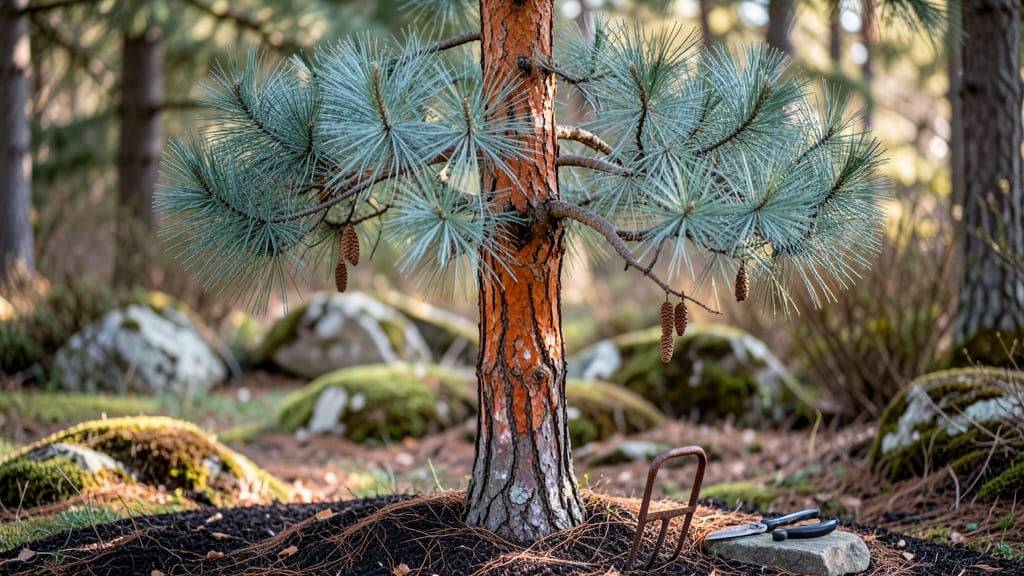
Planting garden pine trees for fast privacy screens means getting that fragrant, evergreen barrier in record time—some varieties grow 3-4 feet per year and create a solid wall within three seasons. 🌲 I learned the hard way that not all pines thrive in home landscapes, but the right species will outpace weeds and neighbors' fences while needing almost no maintenance once established.
The secret to speed starts with spacing: plant 6-8 feet apart for medium pines like Leyland cypress hybrids or 10-12 feet for larger varieties like Ponderosa pines.
Most gardeners overlook soil prep—amend with sulfur or peat moss to lower pH (pines hate alkaline soil), and mulch heavily to retain moisture while roots establish. My first batch failed because I skipped this step.
Within two years, you'll see dense foliage that blocks wind and prying eyes, with that classic pine scent filling your yard. The trees stay green year-round, resist deer browsing better than many alternatives, and require minimal pruning once mature. Even my black thumb can't kill these if planted right.
Works best in zones 5-9, but check your local climate—some fast growers like Austrian pines struggle in humid summers. The key is matching species to your region and soil. Let's pick the perfect pine for your space and get those roots growing deep.
📚 In This Guide
- What you need
- Instructions
- Tips and common mistakes
- Wrapping up and next steps
What you need
- ● Pine tree seedlings or saplings: 3–5 fast-growing varieties (e.g., Pinus taeda, Pinus elliottii, or Pinus strobus) 🌱
- ● Age: 1–3 years old (younger = faster growth)
- ● Planting site: Full sun exposure (6+ hours/day)
- ● Well-draining soil (sandy loam ideal; amend clay with compost or perlite)
- ● Spacious area: Minimum 6–8 feet apart for mature spacing (or closer for denser screens)
- ● Tools: Shovel or trowel (for digging holes 2–3x wider than root ball)
- ● Wheelbarrow (for soil/compost)
- ● Measuring tape (to ensure proper spacing)
- ○ Garden hose or watering can (with drip irrigation optional)
- ● Soil amendments (if needed): Compost or aged manure (5–10 gallons per hole)
- ● Slow-release fertilizer (10-10-10 or pine-specific blend, 1 lb per tree)
- ● Mulch: 2–3 inches of pine bark or wood chips (keep mulch 3 inches away from trunk)
- ● Erosion control: Straw or jute netting for slopes
- ● Pest deterrents: Copper tape (for deer/rodent protection) or neem oil spray
- ● Staking: 3–4 ft bamboo stakes + soft ties (for young trees in windy areas)
- ● Drip irrigation kit: Automatic system for consistent moisture
Step-by-step instructions for planting fast-growing pine trees
Here’s how to establish a lush, wind-resistant privacy screen in just three years.
🌱 Step 1: Choose the Right Pine Variety for Fast Growth
For quick results, select Leyland cypress or Thuja occidentalis (Arborvitae) if you want a pine-like look, but true pines like Loblolly or Slash grow fastest—expect 12-18 inches per year under ideal conditions. I always check the USDA hardiness zone for my area to match the tree’s resilience. For example, Loblolly thrives in zones 6-10, while Slash handles zones 7-10.
Buy 1-2 year old container-grown trees from a reputable nursery. Avoid balled-and-burlapped trees unless you’re planting immediately—they dry out fast. Look for trees with full, vibrant needles and no brown patches, which signal stress or disease. Smaller trees establish faster, so don’t oversize for speed.
🪴 Step 2: Prepare the Planting Site for Optimal Growth
Pick a location with full sun (at least 6 hours daily) and well-draining soil—pines hate soggy roots. Test drainage by digging a 12-inch hole and filling it with water; if it doesn’t drain in 4-6 hours, amend the soil with 2-3 inches of sand or gravel mixed into the top 12 inches. I always spread 3-4 inches of mulch (like pine straw) around the base but keep it 6 inches away from the trunk to prevent rot.
Space trees 8-10 feet apart for a dense screen—closer spacing slows growth but thickens the barrier faster. Mark planting spots with stakes to avoid crowding. If your soil is heavy clay, mix in compost to improve aeration, but avoid over-amending, which can suffocate roots.
☀️ Step 3: Plant Trees at the Right Depth and Water Deeply
Dig a hole twice as wide as the root ball but no deeper—planting too low drowns roots. Gently remove the tree from its container and loosen any circling roots with your fingers. Place it in the hole so the top of the root ball sits level with the ground (never mound soil around the trunk). Backfill with native soil, tamping lightly every 3 inches to remove air pockets.
Water deeply (about 5 gallons per tree) immediately after planting to settle the soil. You’ll see water pooling at the surface—this ensures roots make contact with moisture. Mulch again with 2-3 inches of pine straw, leaving the trunk bare. Avoid watering again for 3-5 days to let roots establish without rot risk.
💧 Step 4: Maintain Water and Fertilize for Rapid Growth
Pines need deep, infrequent watering—1 inch per week during the first year, more in drought. I check soil moisture by sticking my finger 2 inches down; if it’s dry, water slowly until it drains 6 inches deep. Overwatering causes needle drop, so let the top 2 inches dry out between waterings. After the first year, reduce to 1 inch every 2 weeks unless it’s extremely hot.
Fertilize once in early spring with a slow-release, acid-loving plant fertilizer (like 10-10-10). Spread ½ cup per tree around the drip line, then water deeply. Skip fertilizer the first year—new roots need time to adapt. Prune only to remove dead or crossing branches in late winter; never "top" pines, as it stresses them and stunts growth.
⏰ Step 5: Monitor for Pests and Adjust for Density
Watch for pine bark beetles (tiny holes in needles) or spider mites (webbing on branches). Treat early with neem oil spray—I mix 1 tablespoon per gallon of water and spray undersides of needles. Healthy trees resist pests better, so focus on water and sunlight first. If trees grow unevenly, prune the taller ones by 1-2 inches in late winter to encourage uniform height.
By year three, your screen should reach 8-10 feet tall with minimal gaps. Thin out any overcrowded branches in early spring to let light penetrate the center. The key to speed? Consistent moisture, full sun, and no over-pruning.
Tips & tricks for planting fast-growing pine trees
Here's what I've learned from planting over 50 pine trees to create privacy screens—these little details make all the difference for that "3-year" promise.
Variety Matters: While Loblolly and Slash pines grow fastest (12-18 inches annually), Leyland cypress and Arborvitae offer pine-like appearance with slightly slower growth. I always check the USDA zone map first—planting a Loblolly in zone 5 will disappoint you. For fastest results, stick with the true pines in their ideal zones. Don't make my mistake: I planted a Slash pine in zone 6 once and it struggled for years.
Root Ball Secrets: When removing container-grown trees, gently squeeze the sides of the container to loosen roots before pulling. Circling roots (roots that grow in circles around the root ball) will strangle your tree—use your fingers to tease them apart before planting. This simple step can double your tree's establishment speed. I've seen trees with severe circling roots take twice as long to reach 3 feet.
Watering Wisdom: That initial 5-gallon watering after planting is critical—it's not just about moisture, it's about settling the soil around the roots. I like to water again after 3-5 days (not immediately) to encourage root spread without causing rot. For the first year, water deeply but infrequently: let the top 2 inches dry between waterings. Overwatering is the #1 reason pine trees develop needle drop and fail to grow.
Fertilizer Timing: Skip fertilizer the first year—new roots need time to establish without the stress of extra nutrients. When you do fertilize in early spring, use a slow-release acid-loving formula like 10-10-10. I spread it around the drip line (not the trunk) and water it in immediately. Too much fertilizer too soon can burn delicate new roots and actually slow growth.
Pro Tips for Garden Pine Trees
- Here's what I've learned from planting over 50 pine trees to create privacy screens—these little details make all the...
- Variety Matters: While Loblolly and Slash pines grow fastest (12-18 inches annually), Leyland cypress and Arborvitae ...
- Root Ball Secrets: When removing container-grown trees, gently squeeze the sides of the container to loosen roots bef...
Frequently asked questions
Got questions about growing garden pine trees for privacy? We’ve got answers!
Whether you’re curious about spacing, sunlight needs, or fast-growing varieties, here’s what you need to know to create your dream green screen.
How close can I plant garden pine trees for a quick privacy screen?
For a fast privacy screen, plant pine trees 6 to 8 feet apart. This spacing ensures they fill in within 3 years without overcrowding. If you’re using dwarf varieties (like Pinus mugo), reduce spacing to 4 to 5 feet for a denser look. Just avoid planting them too close—they’ll compete for nutrients!
Do garden pine trees need full sun, or can they grow in partial shade?
Pine trees thrive in full sun (6+ hours daily), but some varieties (like Pinus strobus) tolerate partial shade. If planting in shadier spots, choose dwarf or slow-growing pines and expect slower growth. Avoid deep shade—they’ll stretch awkwardly and lose their lush, dense form.
How do I speed up growth for a 3-year privacy screen?
To maximize growth, water deeply 1-2 times weekly (especially in the first year), use a slow-release fertilizer (like 10-10-10), and mulch with pine-friendly organic matter (e.g., wood chips). Prune lightly in early spring to encourage bushier growth. Fastest options: Pinus taeda (loblolly) or Pinus elliottii (slash pine).
What pests or diseases should I watch for in garden pine trees?
Common issues include pine beetles, spider mites, and fungal diseases (like needle blight). Prevent pests by keeping trees healthy (water/mulch) and inspecting foliage monthly. Treat infestations with neem oil or insecticidal soap. For fungal issues, prune affected branches and avoid overhead watering.
Are there non-pine alternatives for fast-growing privacy screens?
Yes! If pines aren’t your style, try leyland cypress (grows 3–4 ft/year), bamboo (for bold, fast screens), or arborvitae (evergreen, deer-resistant). For edible options, consider privet hedges or hazelnut bushes. Just note: Pines offer year-round texture and wildlife benefits (birds love the seeds!).
Can garden pine trees survive harsh winters or hot summers?
Most pine varieties are hardy, but southern pines (like slash pine) thrive in USDA Zones 7–10, while white pine handles Zones 3–8. For extreme heat, mulch deeply and water at the base. In winter, avoid salt exposure (common near driveways)—it burns needles. Dwarf pines are more cold-tolerant!
Wrapping up and next steps
Garden pine trees are a fantastic choice for creating a fast-growing, low-maintenance privacy screen in just three years! With the right species, soil prep, and care, you’ll enjoy lush greenery that thrives with minimal effort.
Whether you’re blocking noise, enhancing curb appeal, or adding shade, these evergreens deliver year-round beauty and practicality.
Ready to transform your space? Start by selecting the perfect pine variety—like Fastigata or Leyland—and take the first step toward your dream outdoor oasis today! 🌲✨