
Tools
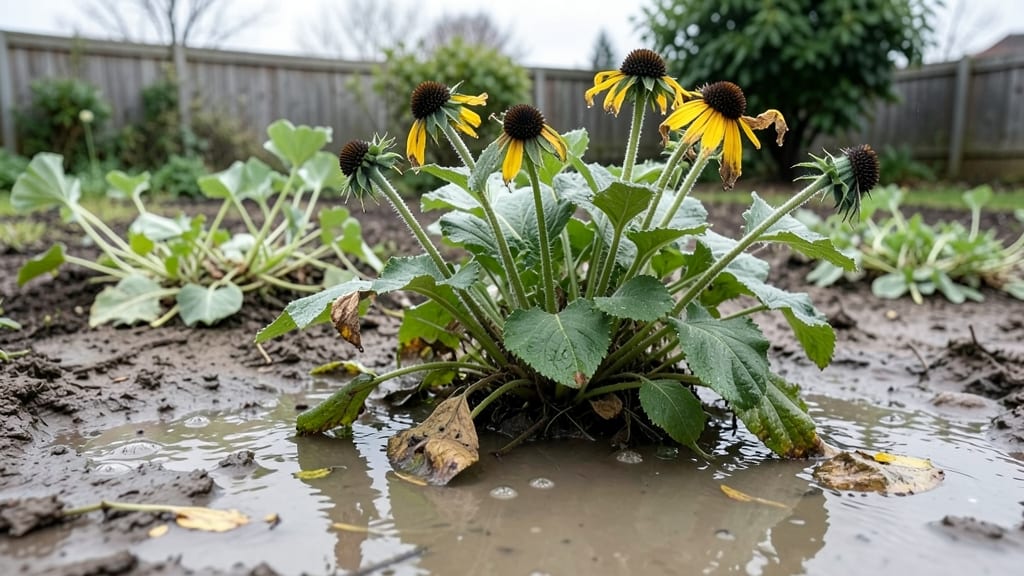
Flooding in gardens can turn your lush beds into soggy messes faster than you can say "root rot." 🌱 I’ve watched entire plantings drown in just 24 hours—until I learned the simple fixes that keep water moving and roots breathing.
The key isn’t just digging deeper; it’s understanding how water behaves in your space and working with it, not against it.
Most flooding stems from compacted soil, sloped land, or downspouts dumping water like a firehose. You’ll spot the damage in yellowing leaves, wilting despite damp soil, or plants that refuse to grow taller.
The good news? Solutions like raised beds with gravel layers, swales to redirect water, or amending clay soil with compost can transform soggy ground into productive space in a weekend.
By the end, your garden will handle heavy rains like a pro—plants thriving even when skies open up. We’re talking disease-resistant roots, faster recovery after storms, and soil that stays loose enough for air to reach where it counts.
The best part? These fixes work for containers, slopes, and even urban yards with limited space.
Let’s start with the fastest fixes—because no one wants to wait for the next downpour to strike. Whether you’ve got clay-heavy soil or a yard that turns into a pond after rain, these steps will save your plants before the next storm rolls in.
Root Causes of Garden Flooding
Understanding why your garden becomes a soggy mess starts with identifying the key factors at play. Flooding isn’t just about heavy rain—it’s often a mix of poor planning, natural challenges, and overlooked details.
Let’s break down the most common reasons your garden turns into a swamp after a storm (or even without one).
🌱 Clay-heavy or dense soil acts like a sponge that won’t drain. When saturated, it holds water like a brick, suffocating plant roots and creating puddles. Even well-draining soils can compact over time, especially under foot traffic or heavy machinery, reducing pore space where water should seep away.
Why it matters:
- Clay soils expand when wet and shrink when dry, creating cracks that trap water at the surface.
- Compacted soil crushes air pockets, forcing water to pool instead of percolating downward.
- Solution preview: Amending soil with organic matter (like compost or sand) or aerating compacted areas can restore drainage.
📉 A flat or downward-sloping garden is a recipe for standing water. Without proper grading (the gentle tilt of land), rainwater has nowhere to go but into your flower beds. Even a slight slope (1–2% grade) can make a huge difference in directing water away from vulnerable areas.
Why it matters:
- Flat landscapes create "bowls" where water collects, especially near downspouts or low-lying spots.
- Downhill planting forces water toward roots, drowning plants and eroding soil.
- Solution preview: Regrading with a slight upward slope (away from your house) or creating swales (shallow trenches) can reroute excess water naturally.
🚧 Gutters, French drains, and storm drains are your garden’s first line of defense—but only if they’re working. Clogged downspouts, buried drain pipes, or missing extensions can redirect water straight into your yard.
Even "invisible" issues like hydroseeding failures or dry wells that overflow can turn your garden into a puddle paradise.
Why it matters:
- Clogged drains (from leaves, sediment, or roots) force water to overflow into landscaping.
- Missing extensions (like downspout diverters) dump water too close to foundations or plant beds.
- Poorly placed drains might work for your driveway but send water toward your veggie patch.
- Solution preview: Clean gutters annually, install downspout extensions, and ensure French drains have proper outlet points (like a dry well or municipal system).
💦 Even without rain, your garden can drown if irrigation systems are on a timer war or poorly designed.
Sprinklers that spray upward, drip lines with clogs, or automatic systems that run during downpours can turn your soil into a soggy mess—especially in areas with high water retention (like clay or heavy loam).
Why it matters:
- Overhead sprinklers saturate soil faster than it can drain, especially in windy conditions.
- Drip lines near slopes can create "waterfalls" that erode soil and pool at the base.
- Automatic timers ignore real-time weather, leading to chronic oversaturation.
- Solution preview: Switch to soaker hoses for targeted watering, adjust sprinkler heads to spray downward, and use smart controllers that account for rain data.
🏡 Hardscapes like patios, walkways, and driveways can seal your garden’s fate. Impermeable materials (concrete, asphalt, pavers) prevent water from absorbing into the ground, forcing it to pool in adjacent plant beds. Even "permeable" pavers can fail if the base layer isn’t properly graded or backfilled with gravel.
Why it matters:
- Compacted base layers under patios turn them into waterproof barriers.
- Poorly sloped driveways channel runoff toward flower beds instead of the street.
- Missing bioswales (vegetated ditches) to capture and filter runoff.
- Solution preview: Replace solid surfaces with permeable pavers, install French drains beneath patios, or create rain gardens to absorb excess water.
🌧️ If your garden sits in a natural low spot (like a depression or valley), it’s a magnet for surface water from surrounding areas. Even if your yard itself drains well, water from roofs, sidewalks, or neighboring properties can overwhelm it—especially during heavy storms.
Why it matters:
- No swales or berms to redirect water away from the garden.
- Missing culverts or bridges in sloped landscapes force water to spread outward.
- Neighbor’s downspouts might be dumping into your yard (a common legal gray area!).
- Solution preview: Install berms (raised mounds of soil) to block water flow, or negotiate with neighbors to reroute downspouts. For larger issues, a landscaping professional can design a contour-based drainage plan.
🕳️ French drains are underground heroes, but they’re only effective if they’re properly installed and maintained. A drain filled with silt, roots, or debris becomes a useless pipe, leaving your garden to deal with water on its own.
Why it matters:
- Sediment buildup reduces water flow over time.
- Root intrusion (from trees or weeds) can block the pipe entirely.
- Improper slope means water pools inside the drain instead of flowing out.
- Solution preview: Inspect drains every 2–3 years, clear debris with a drain snake or hydro-jetting, and ensure the outlet (like a dry well) is functional.
🏙️ In cities or developed areas, subsoil compaction from construction or heavy foot traffic can create an underground "lid" that traps water. Even if the topsoil drains okay, the hardpan layer beneath might be impermeable, causing water to pool just below the surface.
Why it matters:
- Hardpan (a dense, clay-rich layer) acts like a waterproof barrier.
- Backfilled soil (from excavations) can lack organic matter, reducing permeability.
- Solution preview: Deep tilling or subsoiling can break up hardpan, or install deep-drain tiles to bypass the layer entirely.
🗺️ Some gardens are doomed from the start by natural water flow. If your property sits in a floodplain, near a stream or creek, or below the elevation of surrounding streets, water will find its way to you—no matter how well you drain your yard.
Why it matters:
- Topography dictates where water pools, and you can’t fight gravity forever.
- Seasonal high-water marks (from snowmelt or spring rains) can turn your garden into a temporary pond.
- Solution preview: Work with the land—plant wet-tolerant species in problem areas, install retention ponds or bioswales, or consult a hydrologist for large-scale solutions.
⚠️ Avoid these common mistakes:
- Just digging deeper holes for plants—this can create underground reservoirs.
- Relying on sand alone to "fix" clay soil (it often just compacts further).
- Ignoring the big picture—fixing one puddle while creating another downstream.
Pro tip: 💡 Start with a site analysis: Walk your property after a rain and mark where water pools. Then tackle the worst offenders first (e.g., blocked drains before soil amendments). Small changes can add up to big drainage improvements!
Fixing Waterlogged Garden Grounds
A soggy garden isn’t just a nuisance—it can drown your plants, erode soil, and even damage your home’s foundation. The good news? With the right fixes, you can restore balance and prevent future flooding. Below, we’ll match common causes to practical solutions, from quick fixes to long-term strategies.
If your garden sits in a low spot or has heavy, compacted soil, water has nowhere to go. The fix? Aerate and amend to help moisture drain naturally.
How to do it:
- 🔥 Rent a core aerator (or use a manual garden fork) to poke holes 6–12 inches deep. This breaks up compacted soil and lets water seep in.
- 🍳 Mix in organic matter: Blend in compost, coconut coir, or peat moss (2–3 inches deep) to improve drainage without suffocating roots.
- 👨🍳 Top with gravel or sand: For severe cases, add a 2-inch layer of coarse sand or small gravel under mulch to create a drainage layer.
💡 Pro Tip: Test your soil’s drainage by digging a 12-inch hole, filling it with water, and timing how long it takes to drain. If it’s still wet after 4 hours, your soil is too dense.
When gutters and downspouts send water into your yard instead of away, flooding becomes inevitable. Reroute the water before it causes damage.
How to do it:
- 🔪 Install downspout extenders (or DIY with PVC pipes) to direct water at least 10 feet away from your home’s foundation.
- 🥘 Create a swale (shallow trench): Dig a 6-inch-wide, 4-inch-deep trench along the downspout’s path, then fill it with gravel or mulch to slow and absorb water.
- ⏰ Add a French drain: Bury a perforated pipe in a trench filled with gravel, sloping it toward a dry area or storm drain.
🎯 Prevention Tip: Clean gutters twice a year (spring and fall) to avoid clogs that force water to overflow.
Some plants thrive in boggy conditions (like irises or cattails), but most vegetables, shrubs, and lawns need well-drained soil. Swap out water-loving plants and adjust irrigation.
How to do it:
- 📊 Replace soggy-loving plants with drought-tolerant varieties:
- Lawn: Switch to fescue or buffalo grass (both handle moisture better than Kentucky bluegrass).
- Flowers: Try black-eyed Susans, coneflowers, or lavender—they hate wet feet.
- Vegetables: Opt for radishes, bush beans, or Swiss chard (they tolerate damp soil better than tomatoes or peppers).
- 💪 Adjust watering schedules: If your garden floods after rain, skip irrigation for 3–5 days to let soil dry.
- 🥗 Raise beds or containers: For high-value plants, use elevated planters or mound soil to keep roots above water.
✨ Smart Tip: Group plants by water needs—clump moisture-lovers (like hostas) together and keep them away from thirsty perennials.
If your yard has a dip or slope toward your house, water will naturally pool. Reshape the landscape to encourage runoff.
How to do it:
- 🔥 Regrade the area: Use a shovel or rototiller to slope the ground away from structures at a 1–2% grade (1 inch of drop per 10 feet).
- 🍳 Build a berm (raised mound): Create a low, wide mound of soil or rocks along the property line to block water flow.
- 👨🍳 Install a dry creek bed: Line a shallow trench with landscape fabric, rocks, and plants to channel water safely away.
🌡️ Warning: Avoid steep slopes—they can cause erosion. Aim for a gentle grade (no more than 5% slope).
If your garden is already waterlogged, dry it out ASAP to prevent root rot and fungal diseases.
Quick fixes:
- 🔥 Use a wet vacuum or sump pump to remove standing water.
- 🍳 Lay down cardboard or burlap to absorb excess moisture (remove after 24 hours).
- 👨🍳 Prune affected plants to reduce stress, but avoid fertilizing—wet soil locks in nutrients, causing burns.
⏰ Time-Sensitive Tip: If flooding lasts more than 48 hours, consider covering soil with a tarp (secured with bricks) to block rain until drainage improves.
| Problem | Solution | Maintenance |
|---|---|---|
| Compacted soil | Aerate + add compost | Re-aerate every 2–3 years |
| Poor grading | Regrade or add swales | Check slopes after heavy rain |
| Clogged gutters | Clean and install extenders | Inspect quarterly |
| Overwatering | Adjust schedule or use drip irrigation | Monitor soil moisture |
| High water table | Install French drains or dry wells | Inspect drains annually |
Final Thought: Flooding in your garden doesn’t have to be permanent. Start with one or two fixes based on your biggest issue, then expand as needed. A little effort now can save your plants—and your sanity—during the next downpour! 🌧️💦
Frequently asked questions about waterlogged gardens
Why does my garden flood even after light rain?
Light rain can trigger flooding if your soil is clay-heavy or compacted, preventing water absorption. Even a 1-2% slope toward your garden forces rainwater to pool instead of draining away. Check for blocked drains or downspouts redirecting water into plant beds too.
How do I know if my plants are drowning vs. just thirsty?
Waterlogged plants show yellowing leaves, stunted growth, or mushy stems despite damp soil. Press your finger 1 inch deep—if it feels cold and squishy, roots are suffocating. Thirsty plants wilt with dry soil and perk up when watered.
Can I fix drainage myself, or do I need a professional?
Start with DIY fixes like aerating compacted soil, cleaning gutters, or creating swales—these often solve 80% of issues. For hardpan layers or severe grading problems, consult a landscaper. A French drain installation might require professional expertise too.
What’s the fastest way to dry out a flooded garden?
Remove standing water with a wet vacuum or sump pump, then spread cardboard or burlap to absorb excess moisture. Avoid fertilizing—wet soil locks in nutrients, burning roots. For severe cases, cover with a tarp secured with bricks to block rain while drainage improves.
Are there plants that actually thrive in soggy soil?
Yes! Native wetland plants like cattails, irises, or pickerelweed love waterlogged conditions. For edible gardens, try watercress, mint, or bush beans. Group these in low spots while keeping drought-tolerant plants on higher ground to avoid competition.