Companion Plants
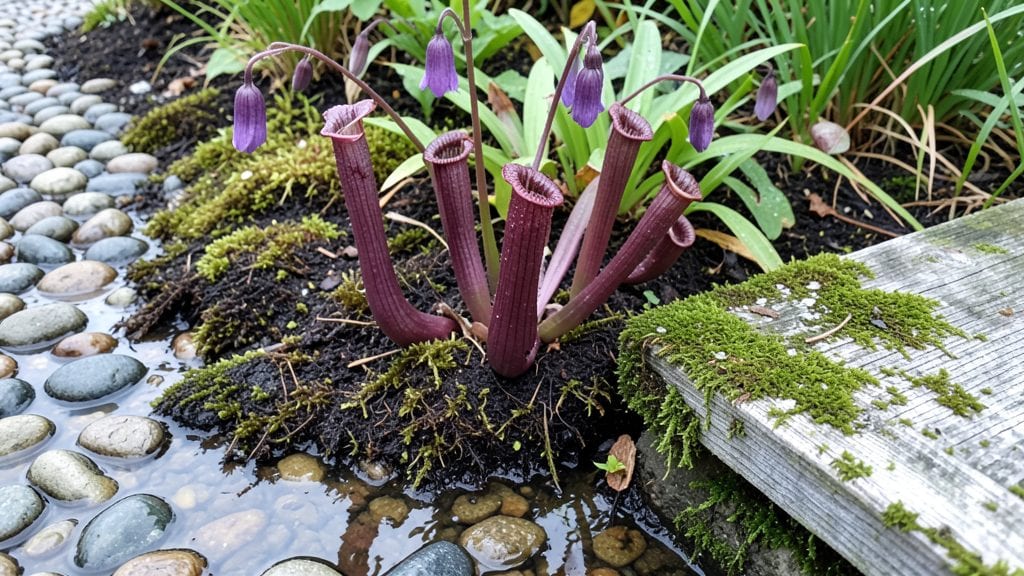
Turn that soggy corner into a thriving wetland oasis—boggy garden plants don’t just survive wet soil, they thrive in it. 🌿 I’ve transformed my own waterlogged patch into a lush, buzzing ecosystem where irises dance in the breeze and ferns unfurl like emerald canopies.
The key? Choosing the right plants that love what most gardeners dread: standing water.
Start with soil that breathes: mix in 3-4 inches of compost or peat moss to lighten heavy clay without drowning roots. Native wetland plants like cardinal flowers, cattails, and sedges handle soggy conditions naturally, while adding texture and color.
My favorite combo? Purple loosestrife near yellow flag irises—their bold hues pop against dark green foliage.
Once planted, these hardy friends need almost no fuss. Mulch with shredded bark to keep soil cool and roots happy, and watch as they spread into a self-sustaining wetland garden. No more wasted space—just a vibrant, low-maintenance haven for wildlife and your eyes. Ready to reclaim that soggy spot?
Works for rain gardens, pond edges, or even low spots in your yard. The best part? These plants clean water naturally while creating a serene, wildlife-friendly retreat. Let’s get growing!
📚 In This Guide
- What you need
- Instructions
- Tips and common mistakes
- Wrapping up and next steps
What you need
- ● Boggy Garden Plants: Choose 3–5 native or wetland-adapted species (e.g., Caltha palustris [Marsh Marigold], Iris pseudacorus [Yellow Flag], or Carex spp. [Sedges]). Start with 1–2 plants per species for a balanced look.
- ● Soil Amendments: Peat moss or coconut coir (5–10 gallons, depending on garden size)
- ● Compost (2–3 cubic feet)
- ● Perlite or sand (1–2 gallons, for drainage adjustment)
- ● Water Management: Drainage pipes or French drains (if excess water is a major issue)
- ○ Water-permeable landscape fabric (optional, for weed control)
- ● Planting Tools: Trowel or spade (for digging)
- ● Garden gloves (1 pair)
- ● Watering can or hose with a gentle spray nozzle
- ● Mulch: Pine bark or shredded leaves (2–3 inches) to retain moisture and suppress weeds.
- ● Fertilizer: Slow-release organic fertilizer (e.g., fish emulsion or compost tea) for nutrient-loving plants.
- ● Decorative Stones: Smooth river rocks or pebbles (for aesthetics and slight drainage improvement).
- ● Plant Markers: Biodegradable labels to track your boggy beauties.
Step-by-Step guide to planting wet-soil thrivers
Here’s how to transform soggy patches into a thriving wetland garden.
🌱 Step 1: Test and Amend Your Soil
Before planting, dig a hole and fill it with water. If it doesn’t drain within 24 hours, your soil is too dense. Amend by mixing in 2-3 inches of organic matter (like compost or peat moss) to improve drainage while retaining moisture. I like to work this in during dry weather—wet soil compacts and defeats the purpose.
For truly boggy spots, consider creating a raised bed with a 6-inch layer of gravel at the bottom. This ensures roots stay moist but not waterlogged. Test again after amending by refilling the hole and checking drainage—you’re aiming for 6-12 hours to drain completely.
🌿 Step 2: Select the Right Plants for Your Conditions
Choose plants that naturally thrive in saturated soil, like cattails, sweet flag, or marsh marigolds. These companions handle standing water while adding texture and color. I always group them by moisture needs—full sun lovers (like irises) near the edges and partial shade plants (like ferns) deeper in the bog.
For a lush, layered look, pair taller plants (like cattails or rushes) with mid-height sedge grasses and low-growing mosses or lobelia. This creates natural movement and visual interest. Avoid traditional garden plants—they’ll yellow and wilt within weeks.
💧 Step 3: Plant with Proper Spacing and Depth
Dig holes twice as wide as the root ball but no deeper—this prevents burying stems, which can rot. Space plants 12-18 inches apart for medium-sized bog plants (like cattails) and 6-12 inches apart for smaller varieties (like lobelia or sweet flag).
Gently tease apart roots if they’re circling and place the plant so the top of the root ball sits level with the soil surface. Fill in with moistened potting mix (not garden soil—it’s too heavy). Press lightly to remove air pockets but don’t compact. Water deeply to settle everything in.
☀️ Step 4: Mulch and Maintain Moisture Levels
Spread 2-3 inches of shredded bark or pine needles over the soil surface to suppress weeds and retain moisture. This mulch layer also mimics natural bog conditions by slowing evaporation. Avoid thick layers—too much can smother roots and create its own drainage issues.
Check moisture weekly by pressing your finger 1 inch into the soil. If it feels dry, water gently until the surface is damp. Bog plants hate drying out, but they also hate standing in stagnant water—ensure your garden has some drainage (even if minimal). A slight sheen on the soil is ideal.
✂️ Step 5: Prune and Divide as Needed
In early spring, trim back dead or yellowed foliage to encourage new growth. For perennials like irises or sweet flag, divide clumps every 3-4 years when they crowd out. Dig up the plant, separate the roots with your hands, and replant the healthiest sections. This keeps them vigorous and prevents overgrowth.
Watch for mushroom growth—this is normal in bog gardens but can indicate too much organic matter. If mushrooms spread aggressively, reduce future compost additions. Bog plants are tough, but even they struggle when the environment tips toward anaerobic conditions (no oxygen in the soil).
Tips & tricks for perfect boggy garden planting
Transforming soggy patches into a thriving wetland garden takes a few key tricks to ensure your plants flourish rather than struggle.
The Drainage Test: In Step 1, when testing your soil's drainage, don't rush the process. The 24-hour wait is crucial—it tells you whether your soil is too dense. If water drains in less time, your soil may dry out too quickly. For truly boggy areas, that 6-12 hour drainage goal after amending is your sweet spot—it keeps roots moist without drowning them. I've seen soggy patches turn into lush gardens just by getting this right.
Plant Pairing Strategy: Step 2's layered approach is where magic happens. I like to create "moisture zones" in my bog garden—place sun-loving irises near the edges where they get more light, while partial-shade plants like ferns thrive deeper in the wetter areas. The key is spacing: those 12-18 inches between medium plants (like cattails) gives them room to spread while maintaining that natural wetland look. For smaller plants, that 6-12 inch spacing prevents overcrowding that can lead to root rot.
Root Care Secrets: When planting in Step 3, gently teasing apart circling roots prevents that "pot-bound" look and encourages outward growth. The top-of-root-ball placement is critical—burying stems invites rot, while leaving them exposed can dry them out. That moistened potting mix is your secret weapon: it's lighter than garden soil and holds moisture perfectly without compacting like wet soil would. I've seen plants struggle when people skip this step and use regular garden soil.
Mulch Like a Pro: The 2-3 inch mulch layer in Step 4 is non-negotiable for moisture retention, but here's the trick: use pine needles or shredded bark—they break down slowly and mimic natural bog conditions. Too much mulch (over 3 inches) can actually suffocate roots by blocking oxygen. I check moisture by pressing my finger 1 inch down—if it feels dry, a gentle watering keeps things perfect. That slight sheen on the soil surface is your visual cue for ideal moisture levels.
Pro Tips for Boggy Garden Plants
- Transforming soggy patches into a thriving wetland garden takes a few key tricks to ensure your plants flourish rathe...
- The Drainage Test: In Step 1, when testing your soil's drainage, don't rush the process. The 24-hour wait is crucial—...
- Plant Pairing Strategy: Step 2's layered approach is where magic happens. I like to create "moisture zones" in my bog...
Frequently asked questions
Got questions about boggy garden plants? You’re not alone!
Here are answers to the most common queries to help you create a thriving wet-soil paradise—without the guesswork.
What are the best boggy garden plants for beginners?
Start with hardy, low-maintenance picks like cattails, sweet flag, or marsh marigolds. These tolerate soggy soil and add beauty while keeping pests away. For color, try water forget-me-nots or pink flag iris. All are drought-tolerant once established!
How long does it take for boggy plants to establish in wet soil?
Most bog plants take 1–2 seasons to fully root, especially in heavy clay or compacted soil. Amend with peat moss or compost to speed things up. Avoid disturbing them until they’ve sent out new growth—patience pays off with lush, resilient plants!
Can I grow vegetables in boggy garden soil?
Opt for water-loving veggies like kale, lettuce, or rhubarb, which thrive in moist conditions. For root crops, raise beds slightly to prevent rot. Just ensure 6+ hours of sunlight and well-draining soil amendments to avoid waterlogging.
Why are my bog plants turning yellow or dying?
Yellowing leaves often signal root rot (too much water) or nutrient deficiency. Check drainage—add gravel or sand if soil stays soggy. Over-fertilizing can also harm wetland plants. Trim dead foliage and adjust water levels to restore health.
Are there bog plants that repel pests naturally?
Yes! Catnip, mint, and horseradish deter mosquitoes and rabbits while thriving in wet soil. Plant them near borders or entryways. Bonus: Their fragrance doubles as a natural air freshener—win-win for your garden!
Wrapping up and next steps
Transforming your soggy garden into a thriving oasis is easier than you think! 🌿 From hardy cattails to vibrant marsh marigolds, these wet-loving plants not only survive but flourish in conditions that challenge others.
With the right choices and a little care, you’ll create a lush, self-sustaining space that’s both beautiful and functional.
Ready to take the next step? Start small—pick one or two plants to test your boggy patch, then expand as you see what thrives. Happy gardening! 🌱