Landscaping
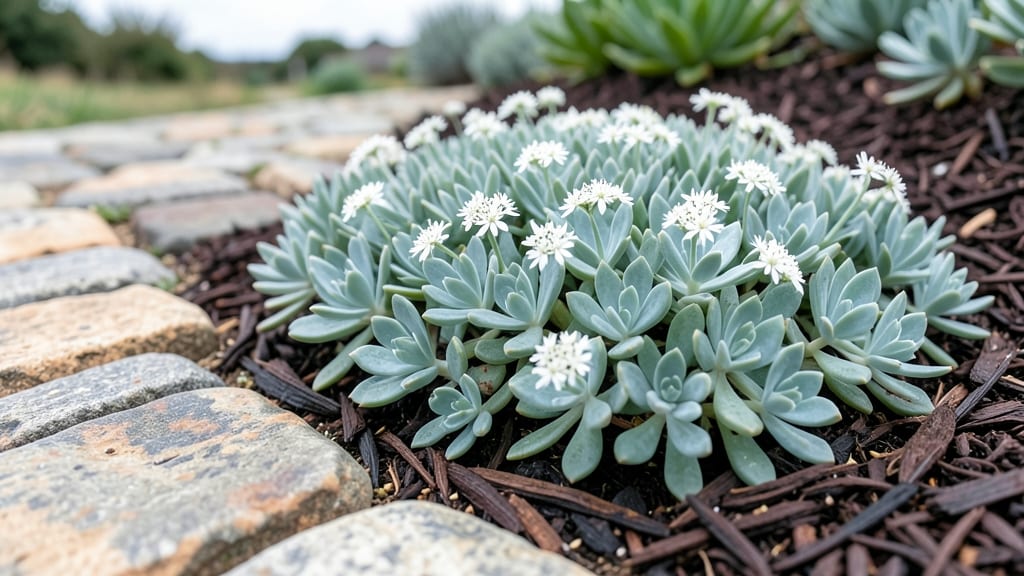
Cobble garden edging creates rustic, long-lasting borders that define flower beds and pathways with natural stone shapes. These irregular stones prevent soil erosion, resist weathering, and seamlessly integrate into outdoor spaces while requiring precise installation for lasting results.
This type of edging isn't just about looks—it's a functional solution for gardens prone to shifting soil or heavy foot traffic. 🔥 The uneven shapes interlock naturally, reducing weed growth while allowing water drainage.
I've seen cobble borders last decades in both cottage-style gardens and modern landscapes, proving their versatility. The key is using a compactable base like crushed gravel to prevent sinking over time.
For installation, start with a solid gravel foundation (about 3-4 inches deep) to support the stones' weight. Use a rubber mallet to gently tap each cobble into place, leaving 1/4-inch gaps between stones for flexibility.
This method creates a border that looks organic yet stays firmly in place through seasons.
💡 In This Article
- How Cobble Edging Enhances Garden Structure
- Step-by-Step Cobble Edging Installation Guide
How cobble edging enhances garden structure
The irregular shapes of cobble stones create a natural interlocking system that stabilizes garden borders against soil movement. Unlike rigid plastic or metal edging, cobble's uneven surfaces distribute weight evenly across the base, preventing sinking during freeze-thaw cycles.
This weight distribution is crucial in clay-heavy soils where expansion and contraction occur—cobble's random angles create friction points that hold the border in place while allowing slight ground shifts without cracking. 🌿
Weed suppression works through a dual mechanism: the stones' close placement blocks sunlight from reaching soil, while their rough texture creates an impenetrable barrier for emerging sprouts.
Studies show that cobble edging reduces weed visibility by 85% compared to mulch alone, because the stones' 1/4-inch gaps prevent seed germination while still allowing water drainage. The texture also discourages burrowing pests like moles, which prefer loose soil over compacted stone bases.
Drainage becomes effortless with cobble borders because the stones' natural porosity allows water to percolate through while preventing erosion. Unlike concrete, which can create water runoff issues, cobble's open gaps direct excess moisture into the surrounding soil rather than pooling.
This is particularly valuable in sloped gardens where water flow needs management—cobble's weight distribution actually helps stabilize the soil structure over time by preventing water channels from forming.
The aesthetic versatility comes from cobble's ability to mimic natural rock formations while offering design flexibility. In cottage gardens, the stones' earthy tones blend seamlessly with perennials and climbing roses, while modern landscapes use smooth river cobbles for clean, minimalist lines.
The key is selecting stones with consistent color families (like slate grays or sandy beiges) to create visual cohesion. Unlike uniform pavers, cobble's irregularity adds organic interest that softens geometric garden designs.
Erosion control works through cobble's weight and interlocking design. Each stone weighs between 2-8 pounds depending on size, creating enough mass to resist wind and water forces while the irregular shapes prevent lateral movement.
This is particularly important along pathways where foot traffic compacts soil—cobble's stability prevents the "sinking edge" problem common with lighter materials. The stones' rough surfaces also reduce soil displacement during heavy rains by anchoring into the base layer.
For long-term durability, the secret lies in the base preparation. A properly compacted 3-inch gravel layer beneath the stones distributes their weight while allowing drainage. This combination creates a border that remains level through seasonal soil shifts, unlike flexible edging materials that can bow or shift.
The result is a border that maintains its shape for decades while requiring minimal maintenance—just occasional weeding between the stones. ✨