Planting
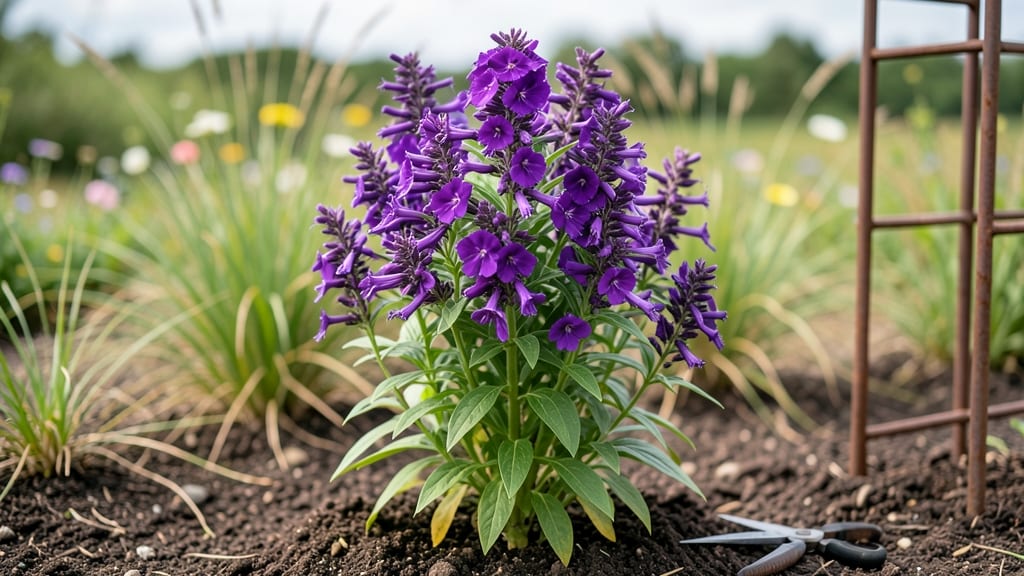
Philadelphia gardening falls under USDA Hardiness Zones 6b to 7a, offering diverse growing conditions for perennials, annuals, and cold-hardy vegetables. Summer heat and humid winters shape plant selection, favoring drought-tolerant species like lavender and shade-loving hostas.
Philadelphia's gardening zone classification isn't just about numbers—it reflects the city's unique mix of urban heat islands and river-cooled pockets. 🌿 The 6b-7a range means you can grow everything from hardy peonies to tender boxwoods, but microclimates create opportunities for zone-stretching.
For example, areas near the Schuylkill River often experience delayed spring frosts, while rooftop gardens may face earlier heat stress. This variability lets you experiment with plants slightly outside the official zone, like adding Zone 7b roses in sheltered spots or protecting tender perennials with mulch during sudden cold snaps.
What really sets Philadelphia apart is how its zone interacts with seasonal extremes. The city's humid summers demand plants that tolerate both heat and moisture, while winters bring occasional 20°F dips that test even cold-hardy species.
Native plants like butterfly weed and eastern red cedar thrive here because they've evolved with these conditions, while imported varieties often need extra care. Understanding these patterns helps you create a resilient garden that blooms reliably year after year.
💡 In This Article
- Understanding Philadelphia’s Microclimates and Zone Variations
- Top Cold-Hardy and Heat-Resistant Plants for Philadelphia Gardens
Understanding Philadelphia’s microclimates and Zone variations
Philadelphia’s urban landscape creates dramatic temperature variations within its official 6b-7a range. The city’s dense concrete and asphalt absorb and radiate heat, turning downtown areas into urban heat islands that can push summer temperatures 5-10°F higher than suburban neighborhoods.
For example, while Center City might hit 95°F in July, areas near the Schuylkill River can stay 5°F cooler due to evaporative cooling from the water. This creates microclimates where Zone 7a plants thrive near the river while Zone 6b varieties struggle just blocks away.
The Schuylkill and Delaware Rivers play a crucial role in moderating temperatures. River-adjacent properties experience later spring frosts (often 2-3 weeks delayed) and earlier fall frosts because water masses act as thermal regulators.
Data from Penn State Extension shows riverfront areas have 10-15% higher humidity in summer, which benefits moisture-loving plants like hostas and hydrangeas but challenges drought-tolerant species. Meanwhile, elevated areas like Wissahickon Valley see 5°F cooler nighttime temperatures, extending the growing season by 10-14 days compared to low-lying districts.
Philadelphia’s seasonal temperature swings are equally dramatic. Winters average 30-35°F but can drop to 15°F during polar vortex events, while summers regularly exceed 90°F with humidity pushing heat indices to 105°F. This creates a 50°F+ range between seasons, demanding plants that tolerate both extremes.
The city’s average last frost date is April 15, but urban heat can push this to May 1 in concrete-heavy areas, while rural edges may see frost as late as May 10.
These variations explain why some gardeners successfully grow Zone 7b plants like crape myrtle in sheltered microclimates.
Elevation changes further complicate zone planning. For every 1,000 feet gain, temperatures drop 3.5°F, though Philadelphia’s modest elevation range (0-300 feet) creates only subtle differences. However, even small elevation shifts affect frost pockets—north-facing slopes near Fairmount Park can remain frost-free 5-7 days longer than south-facing urban lots.
This is why gardeners in Zone 6b areas might successfully grow Zone 7a shrubs like boxwood on north-facing slopes while losing tender perennials to spring frosts on sun-exposed sites.
Humidity adds another layer of complexity. Philadelphia’s 70-80% average summer humidity creates ideal conditions for fungal diseases like powdery mildew on susceptible plants, while winter humidity (often 60%) helps protect woody plants from freeze damage.
The city’s 20-25 inches of annual rainfall is well-distributed, but urban runoff can create localized dry spots where drought-tolerant plants like Russian sage outperform thirsty varieties. Understanding these patterns lets you strategically place moisture-loving plants near downspouts and drought-resistant species on south-facing exposures.
What most gardeners don’t realize is how these microclimates interact with soil conditions. Urban soils often compact from foot traffic, reducing drainage and creating waterlogged pockets that freeze more quickly in winter. Amending with compost improves both drainage and heat retention, creating more stable growing conditions.
For example, adding 2-3 inches of compost can raise soil temperatures by 2-4°F in spring, accelerating plant growth by 7-10 days compared to unamended soil.
The key takeaway? Philadelphia’s gardening zones aren’t static—they’re dynamic landscapes shaped by geography, infrastructure, and seasonal patterns. By observing your specific microclimate’s frost dates, humidity levels, and temperature extremes, you can push zone boundaries while creating a resilient garden that thrives year-round. 🌿