
Vegetables
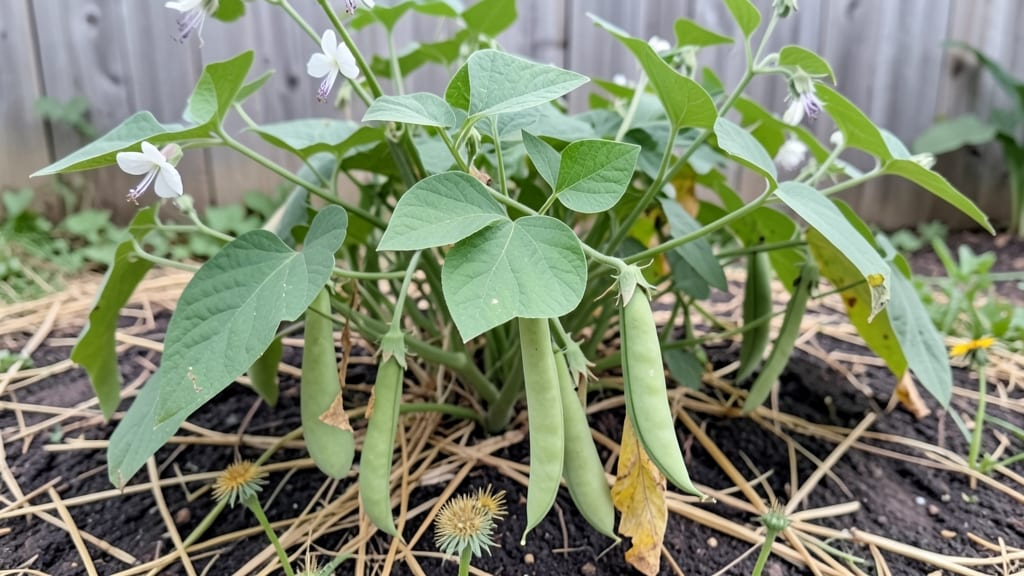
Garden beans and green beans aren't the same, even though they're both part of the Phaseolus family. Garden beans include wax beans and snap beans like Romano, while green beans are immature common beans harvested for tender pods. Their differences show up in color, texture, and how you cook them.
Garden beans actually refer to a broader category that includes wax beans (yellow) and snap beans (flat or round), which are harvested when fully mature but still tender. 🌱 Meanwhile, "green beans" specifically means the young pods of common beans, harvested before seeds develop.
This distinction explains why wax beans hold their color when cooked while green beans turn mushy if overcooked. The confusion often comes from marketing—many stores label all varieties as "green beans," even when they're technically snap or wax beans.
For gardeners, the key difference lies in growth habits: snap beans produce edible pods with seeds, while true green beans are harvested before seeds form. 🌿 Understanding this helps you choose the right variety for your recipes—snap beans shine in salads or stir-fries, while green beans work best in quick-cooking dishes.
💡 In This Article
- Botanical and Culinary Differences Between Garden and Green Beans
- How to Identify and Grow the Right Bean Variety
Botanical and culinary differences between garden and green beans
The confusion starts with the Phaseolus vulgaris family, where "garden beans" actually refers to a broader category including wax beans (yellow-green) and snap beans (flat or round), while "green beans" strictly means the immature pods of common beans.
Wax beans get their name from their waxy coating that prevents color change when cooked, unlike green beans which turn mushy if overcooked. 🔥 The key botanical difference lies in harvest timing: snap beans are picked when fully mature but still tender (with seeds), while true green beans are harvested before seeds develop.
Let's break down the science: wax beans contain higher levels of chlorophyll and carotenoids that stabilize their color during cooking, while green beans have thinner cell walls that break down faster.
Snap beans like Romano have thicker pods (about 0.3-0.5 inches wide) with crisp texture, while green beans measure just 0.25 inches wide and contain 30% less fiber when harvested young.
The flavor difference comes from phenolic compounds - snap beans have more tannins (bitter notes) while green beans taste sweeter due to higher sugar content when young.
Culinary roles reflect these differences: snap beans hold their shape perfectly for raw salads or quick stir-fries (cook time: 3-4 minutes), while green beans need 4-5 minutes max to avoid mushiness.
Wax beans turn vibrant yellow when cooked (thanks to lutein pigments), making them visually striking in dishes. 💛 What most people don't realize is that "green beans" sold in stores are often mislabeled snap beans - true green beans have a more delicate, almost grassy aroma compared to the earthier snap bean scent.
Consider these key factors when choosing varieties:
- Texture preference: Snap beans offer crunchy bite while green beans are tender and silky
- Cooking method: Snap beans excel in raw preparations while green beans shine in steamed or sautéed dishes
- Nutrient focus: Green beans contain 25% more vitamin K than snap beans when harvested young
The growth stages matter too: snap beans develop thickened pods with visible seeds (about 0.5-1 inch long), while green beans are harvested before seeds form - their pods remain smooth and slender.
This explains why green beans have a more uniform appearance in grocery stores, while snap beans show natural variations in pod thickness. 🌱 The confusion persists because many commercial varieties blur these lines through selective breeding.
For home gardeners, the harvest window is critical: green beans should be picked every 2-3 days to maintain tenderness, while snap beans can wait 4-5 days between harvests. The flavor window for green beans closes when seeds appear - after that, they become string beans.
This biological clock explains why homegrown green beans always taste fresher than store-bought varieties, which are often harvested at suboptimal maturity for long shelf life.