How To
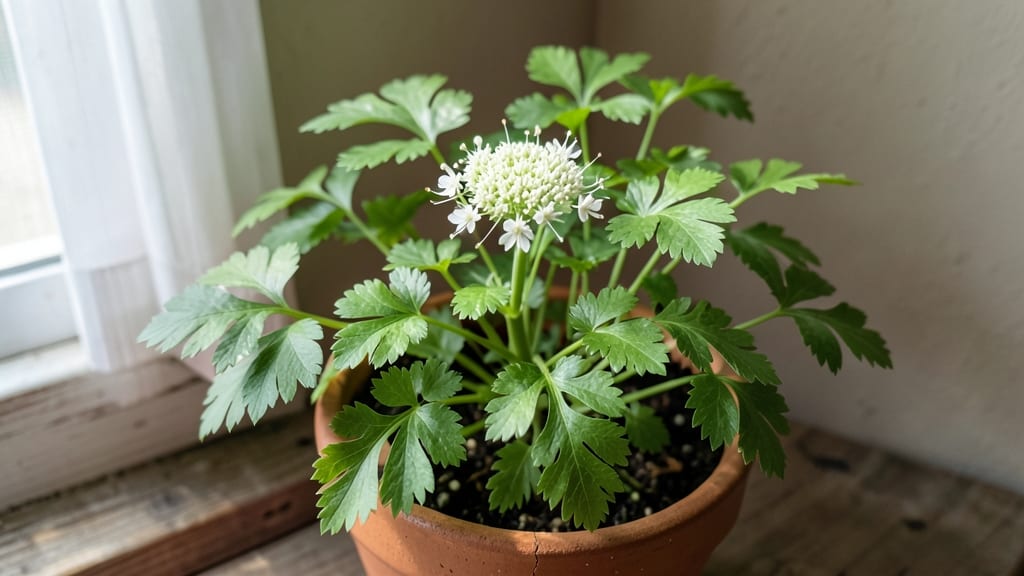
Here are cilantro gardening tips that’ll turn your backyard into a fragrant spice haven—just don’t let the heat trick you into bolting too soon! 🌱 The key is planting it early in spring or late summer, then keeping it happy with consistent moisture and afternoon shade in hot zones.
You’ll need well-draining soil, a sunny spot (or partial shade if summers are scorching), and patience—cilantro grows fast but needs regular harvesting to stay lush. The biggest mistake? Letting it dry out or go to seed too soon.
With the right care, you’ll harvest fresh leaves in just 3-4 weeks, and the flavor stays bright and vibrant all season long.
📚 In This Guide
- What you need
- Instructions
- Tips and common mistakes
- Wrapping up and next steps
What you need
- ● Cilantro seeds: Choose organic, non-GMO seeds (about 1–2 teaspoons per square foot). Popular varieties include Santo (slow-bolting) or Calypso (heat-tolerant).
- ● Potting soil or garden soil: Use well-draining, nutrient-rich soil (a mix of 60% topsoil and 40% compost works great). For containers, opt for lightweight potting mix.
- ● Containers or garden bed: For containers: Use pots at least 6 inches deep with drainage holes. 5–6 inch diameter pots work for 2–3 plants.
- ● For in-ground planting: Space seeds 6–12 inches apart in rows 12–18 inches apart.
- ● Watering can or hose with a gentle spray nozzle: Cilantro hates soggy roots—consistent moisture is key, but avoid overwatering.
- ○ Fertilizer (optional but helpful): Balanced liquid fertilizer (e.g., 10-10-10) or compost tea applied every 3–4 weeks.
- ● Slow-release granular fertilizer (like 10-10-10) mixed into soil at planting.
- ● Hand trowel or garden fork: For planting seeds and loosening soil.
- ○ Gloves (optional): Protects hands from soil and prickly stems.
- ● Mulch (straw or shredded leaves): Helps retain moisture and suppress weeds.
- ○ Row cover or shade cloth (optional): Protects seedlings from heat or pests (especially in hot climates).
- ● Pruning shears: For harvesting leaves and trimming bolting plants.
- ● Pest control (natural options): Neem oil or insecticidal soap for aphids or spider mites.
- ● Diatomaceous earth (food-grade) to deter crawling pests.
- ● Sunlight: Partial shade to full sun (6 hours of sunlight daily is ideal).
- ● Temperature: Grows best in cool weather (50–75°F). Avoid planting when temps exceed 80°F—cilantro bolts quickly!
- ● pH Level: Aim for 6.2–6.8 (test soil with a kit if unsure).
- ● Space: Ensure your garden or containers have enough room for airflow (crowding invites disease).
Step-by-Step instructions for growing vigorous cilantro
Here's how to grow cilantro that stays fresh and flavorful—no bitter surprises or early bolt here.
🌱 Step 1: Start Seeds Indoors or Direct-Sow in Cool Soil
Cilantro seeds germinate best at 50-60°F, so start them indoors 4-6 weeks before your last frost or sow directly into the garden after all danger of frost has passed. Use 2-3 inch deep seed trays or small pots filled with sterile seed-starting mix. Press seeds ¼ inch deep—they need light to germinate, so don’t bury them too deeply.
I like to plant 3-4 seeds per cell and thin later. Space seeds 1 inch apart in rows 12 inches apart if sowing directly outside. Keep the soil consistently moist but never soggy—cilantro seeds need steady moisture to sprout. Expect germination in 7-14 days, though it can take longer if soil temperatures drop below 50°F.
☀️ Step 2: Provide Cool Conditions and Partial Shade
Cilantro thrives in cool weather and bolts (goes to seed) when temperatures rise above 75°F. If you're starting seeds indoors, place them under grow lights 12-14 hours a day to prevent leggy growth. Once seedlings have 2-3 true leaves, transplant them outdoors on a cloudy day or in the late afternoon to reduce shock.
In the garden, position cilantro in partial shade—especially in hotter climates. A spot with 4-6 hours of morning sun and afternoon shade works best. Mulch around plants with 1-2 inches of straw or shredded leaves to keep roots cool and retain moisture. Watch for yellowing leaves, which signal too much heat or water.
💧 Step 3: Water Consistently and Fertilize Lightly
Keep the soil evenly moist but never waterlogged—cilantro hates soggy roots. Water at the base of the plant in the early morning to allow foliage to dry before evening. Let the top inch of soil dry out slightly between waterings to prevent fungal diseases. Overhead watering can spread mildew, so use a soaker hose or drip irrigation if possible.
Fertilize lightly with a balanced organic fertilizer (10-10-10) when seedlings are 3-4 inches tall, using ½ the recommended rate. Too much nitrogen leads to leafy growth at the expense of flavor. I also sprinkle 1 tablespoon of compost around each plant every 2-3 weeks to keep it healthy without overfeeding.
✂️ Step 4: Harvest Regularly to Encourage New Growth
Start harvesting cilantro when it reaches 6-8 inches tall, cutting the outer leaves with clean scissors. Always leave the inner leaves and stems intact so the plant keeps producing. Harvest in the morning after dew has dried but before the heat of the day sets in—this is when flavor peaks.
To prolong the harvest, pinch off flowers as soon as they appear. This redirects the plant’s energy back into leaf production instead of seed formation. If cilantro bolts (sends up a tall flower stalk), harvest the leaves quickly before they turn bitter. You can also save seeds from bolted plants for next season’s garden.
🪴 Step 5: Protect from Pests and Extend the Season
Cilantro attracts aphids and spider mites, so I spray plants with neem oil every 10-14 days as a preventive measure. For extra protection, cover young seedlings with floating row covers until they’re established. If deer or rabbits are a problem, use chicken wire cages around the plants until they’re tall enough to deter browsers.
To grow cilantro in hot climates, try successive plantings every 2 weeks in late summer or early fall. Choose slow-bolting varieties like ‘Calypso’ or ‘Santo’ for better heat tolerance. With these tips, you’ll enjoy fresh cilantro straight from your garden for months, not weeks.
Tips & tricks for perfect cilantro growth
Here's what nobody tells you about growing cilantro that actually works—no more bitter surprises or early bolting!
Temperature Matters: The 50-60°F range for germination is non-negotiable. If your soil dips below 50°F, germination can stretch to 3 weeks instead of the expected 7-14 days. I've found that using a seedling heat mat (set to 60°F) can cut germination time by half if your spring nights are still chilly.
Light Requirements: Cilantro seeds need light to germinate, so don't bury them deeper than ¼ inch. In Step 1, I press them just enough to cover lightly—think "dusting with flour" rather than pressing firmly. For indoor starts, place trays under grow lights immediately after planting, even before germination begins.
Heat Management: The 75°F threshold is when cilantro bolts, but here's the thing: some varieties tolerate slightly higher temps better. In Step 2, if you're in a hotter climate, choose 'Calypso' or 'Santo' varieties—they'll give you 2-3 extra weeks of growth before bolting. Also, mulching with 1-2 inches of straw creates a cooler microclimate at the soil level.
Harvesting Strategy: In Step 4, when harvesting, I cut just above a leaf node (where leaves meet the stem) rather than the base. This encourages new growth from that node while keeping the plant healthy. For maximum yield, harvest every 2-3 weeks—this consistent harvesting actually stimulates more leaf production!
Pro Tips for Cilantro Gardening Tips
- Here's what nobody tells you about growing cilantro that actually works—no more bitter surprises or early bolting!
- Temperature Matters: The 50-60°F range for germination is non-negotiable.
- Light Requirements: Cilantro seeds need light to germinate, so don't bury them deeper than ¼ inch.
Frequently asked questions
Got questions about growing cilantro like a pro?
You’re not alone! Here are answers to the most common cilantro gardening dilemmas—from timing to troubleshooting—so you can keep your plants thriving and your harvests plentiful.
How long does cilantro take to grow from seed?
Cilantro is a fast grower! With the right conditions, you’ll see sprouts in 5–10 days and be ready to harvest in just 4–6 weeks. For baby leaves, snip stems when they’re 4–6 inches tall. Need a quicker fix? Try pre-sprouted cilantro seeds (available at garden centers) for harvests in 2–3 weeks.
Can I grow cilantro year-round, or is it seasonal?
Cilantro thrives in cool weather (ideal temps: 50–75°F) and struggles in heat, often bolting (going to seed) when temps hit 80°F+. For year-round growth:
- Spring/Fall: Best seasons—direct sow seeds after last frost.
- Summer: Plant in partial shade or use shade cloth to delay bolting.
- Winter (mild climates): Use row covers to protect from frost.
Why is my cilantro wilting or turning yellow?
Wilting or yellowing leaves usually signal overwatering, underwatering, or nutrient issues. Here’s how to fix it:
- Check soil moisture: Keep soil consistently moist but not soggy (1 inch of water per week).
- Drainage matters: Ensure pots/containers have drainage holes to prevent root rot.
- Fertilize lightly: Use a balanced, water-soluble fertilizer (like 10-10-10) every 3–4 weeks.
- Container size: At least 6 inches deep and 12 inches wide per plant (or cluster seeds 1 inch apart).
- Sunlight: Place near a south-facing window or use grow lights (12–14 hours/day).
- Soil: Use well-draining potting mix with compost for nutrients.
- Harvesting: Snip leaves from the bottom up to encourage bushier growth.
- Choose heat-tolerant varieties: Try ‘Santo’ or ‘Calypso’ (slow-bolting hybrids).
- Shade cloth: Use 30–50% shade cloth in summer to keep temps below 80°F.
- Water consistently: Drought stress triggers bolting—keep soil evenly moist.
- Harvest often: Pinch off flowers as they form to redirect energy to leaf growth.
- Succession plant: Sow new seeds every 2–3 weeks for a fresh supply.
Pests? Inspect for aphids or spider mites—spray with neem oil if needed.
Quick fix: Trim affected leaves and adjust watering immediately!Can I grow cilantro indoors or in containers?
Cilantro adapts well to containers (even small pots) as long as you meet its needs:
What’s the best way to prevent cilantro from bolting (going to seed)?
Bolting happens when cilantro senses heat or stress. To delay it:
Wrapping up and next steps
Growing cilantro at home is a rewarding journey—packed with fresh, flavorful harvests and the satisfaction of nurturing your own herbs! 🌱 With the right soil, sunlight, and a few pest-proof tricks, you’ll be snipping vibrant leaves for tacos, soups, and salads in no time. Don’t let bolting or pests slow you down—just stay consistent, and enjoy the green goodness!
Ready to take the next step? Start with a small batch this week, and soon, you’ll be sharing your cilantro bounty with friends—or even expanding your garden to other herbs like parsley or dill. Happy growing!