
Advice
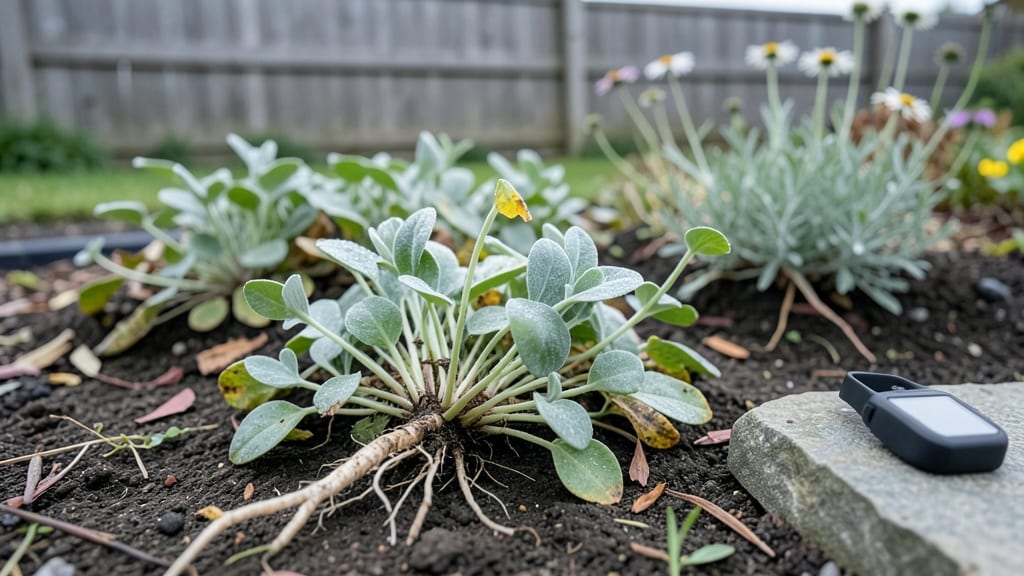
Calories burned gardening range from 330-440 per hour for a 155-pound person, depending on task intensity, with activities like digging or hauling soil raising METs to 4.0-5.5—comparable to brisk walking but higher for strenuous tasks like heavy weeding or mowing.
Your garden workouts actually pack a surprising punch—especially when you factor in the variety of movements involved. 🌱 Unlike steady-state cardio, gardening combines strength, endurance, and flexibility, which can boost your metabolic rate even after you finish.
For example, pulling weeds or tilling soil engages multiple muscle groups, while carrying heavy pots adds resistance training benefits.
The key is consistency: even 30 minutes of focused yard work can add up to meaningful calorie burn over time, particularly if you're mixing in high-effort tasks like chopping firewood or moving mulch.
What's interesting is how these numbers vary based on your body weight and the specific tasks you choose. A heavier person might burn closer to 500 calories per hour during intense gardening sessions, while lighter individuals could see the lower end of the range.
The MET values also highlight why certain activities—like raking leaves or pruning—feel easier than they actually are. My advice? Pair your gardening with short bursts of higher-intensity movements, like jumping rope between tasks, to maximize both calorie burn and overall fitness benefits.
💡 In This Article
- Gardening MET Values and Calorie Burn by Activity
- Maximizing Calorie Burn While Gardening Efficiently
Gardening MET values and calorie burn by activity
Here's what's actually happening when you measure gardening's calorie burn: METs (Metabolic Equivalent of Task) quantify how many calories you burn per minute relative to resting.
Light gardening like watering plants or light pruning sits at 2.0-3.0 METs, while heavy tasks like digging or hauling bags of soil reach 4.0-5.5 METs.
This means your body is working at 4-5.5 times your resting metabolic rate during intense gardening—similar to jogging but with added strength components. 🌿 The key factor is muscle engagement: tasks requiring upper body strength (like carrying mulch) or lower body power (digging trenches) elevate your heart rate more than passive activities.
Let's break down specific activities with their MET ranges and calorie burn for a 155-pound person per hour:
- Light gardening: Watering, light pruning, weeding (2.0-3.0 METs) → 200-300 calories
- Moderate gardening: Raking leaves, moving pots, moderate weeding (3.0-4.0 METs) → 300-400 calories
- Heavy gardening: Digging, hauling soil, chopping wood (4.0-5.5 METs) → 400-550 calories
Body weight plays a crucial role in these calculations because heavier individuals require more energy to move their mass. A 200-pound person might burn 30-40% more calories than a 120-pound person doing the same task, due to the additional force needed to accelerate and decelerate their limbs.
Duration matters too: extending your gardening session from 30 minutes to 2 hours doesn't just double calorie burn—it compounds it, especially when you factor in the afterburn effect (EPOC) where your body continues burning calories at an elevated rate post-activity for up to 72 hours.
What makes gardening unique compared to traditional exercise is its intermittent nature. Instead of steady-state cardio, you're engaging in short bursts of high-intensity movements (like lifting a shovel) followed by recovery periods (walking to the next spot).
This creates what fitness experts call "non-linear exercise," which can be more effective for fat loss than continuous moderate exercise.
The science behind this involves your body's adaptive response to variable resistance—your muscles work harder to stabilize during unpredictable movements, like navigating uneven garden beds or adjusting to tool weight changes.
Consider this real-world example: A 45-minute session of heavy gardening (digging trenches and hauling mulch) for a 180-pound person could burn 450-550 calories during the activity, plus an additional 100-150 calories from EPOC over the next day.
That's comparable to a 60-minute jog but with added strength benefits. The beauty is that you're not just burning calories—you're building functional strength and improving mobility in ways that complement traditional workouts.
One nuance worth noting is how garden layout affects your calorie expenditure. A linear garden design (long rows) forces more walking and less turning, while a circular layout creates more directional changes that engage your core.
Even small adjustments like placing your tools farther apart can turn a casual gardening session into a more intense workout. The key is to think about movement patterns—every time you pivot, bend, or lift, you're adding to your calorie total.