Advice
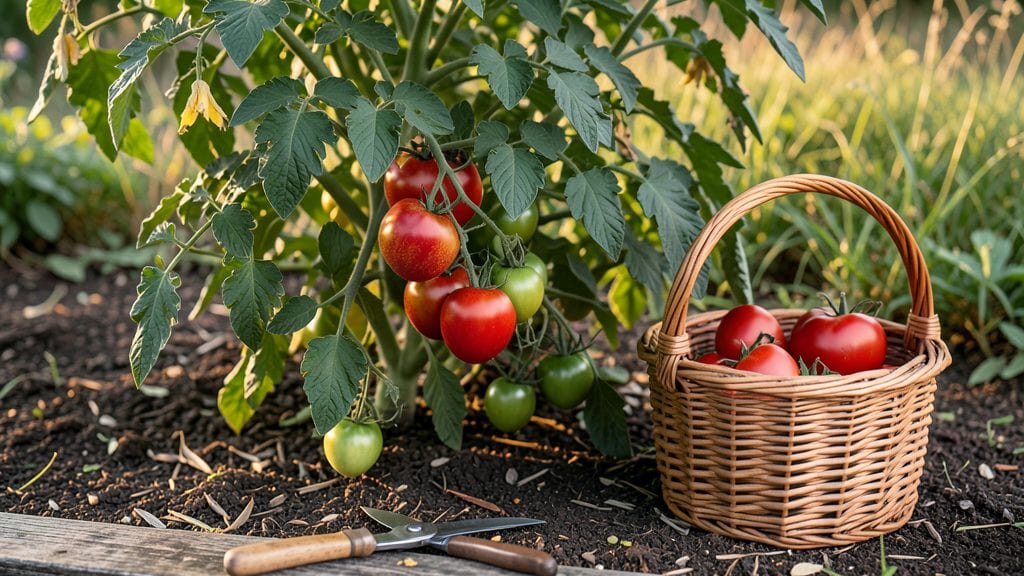
Calories burned gardening range from 200–400 per hour, depending on activity intensity and body weight—light tasks like weeding (200–300) and heavy labor such as digging (350–450) vary significantly. A 155-pound person burns roughly 250 calories in one hour of moderate gardening.
Gardening isn't just rewarding for your garden—it's a surprisingly effective workout.
The calorie burn depends on how much you move: raking leaves or trimming bushes engages your arms and core, while digging or hauling mulch adds lower-body strength work. 🌱 For example, someone weighing 185 pounds could torch up to 380 calories in an hour of vigorous yard work, while lighter tasks like planting flowers might only hit 220 calories.
Even the "light" end of this range still beats sitting at a desk all day!
What's fascinating is how gardening combines cardio and strength training naturally. Unlike running on a treadmill, you're constantly shifting between positions—bending, lifting, and reaching—which engages multiple muscle groups simultaneously. This full-body activation means you're not just burning calories; you're also building functional strength that translates to everyday activities.
Plus, the fresh air and sunlight boost endorphins, making it a mentally refreshing way to stay active.
💡 In This Article
- How Gardening Activities Impact Calorie Burn Rates
- Maximizing Calorie Burn While Gardening Efficiently
How gardening activities impact calorie burn rates
Gardening isn't just about green thumbs—it's a dynamic workout where different tasks engage your body in distinct ways. The Metabolic Equivalent of Task (MET) system measures energy expenditure, and gardening activities range from 3.0 METs (light weeding) to 5.5 METs (intense digging).
For context, a 155-pound person burns about 180 calories per hour at 3.0 METs and 330 calories at 5.5 METs. This explains why pruning bushes (around 4.0 METs) feels more demanding than simply pulling weeds.
Let's break down specific tasks: raking grass requires 3.5 METs (about 210 calories/hour), while hauling bags of soil or compost hits 5.0 METs (roughly 300 calories/hour). The key difference? Raking is mostly upper-body and core engagement, whereas hauling soil activates your legs and back muscles.
Even "passive" tasks like watering plants (around 2.5 METs) still burn 150 calories/hour because of the constant bending and reaching motions. 🌿
Your body weight plays a critical role—heavier individuals naturally burn more calories because their muscles require more energy to move. A 200-pound person digging for 1 hour could expend 450 calories, while a 120-pound person might only burn 250 calories doing the same task.
This is why gardening's calorie burn feels so personalized. Even the same activity can feel easier or harder based on your weight and muscle mass.
Comparing gardening to other activities reveals its unique benefits. A 30-minute session of vigorous gardening (like tilling soil) burns roughly the same calories as 45 minutes of brisk walking (3.5 METs), but with added strength training benefits.
Meanwhile, yoga (typically 2.0 METs) burns about 120 calories/hour for a 155-pound person—less than half of what gardening delivers. The real advantage? Gardening's variability keeps your body guessing, preventing plateaus that often occur with repetitive cardio exercises.
What most people overlook is how intensity fluctuations affect calorie burn. Digging a deep hole requires short bursts of high effort (like lifting heavy pots), while weeding involves steady, moderate exertion. This mix of anaerobic (short bursts) and aerobic (sustained) activity creates an efficient fat-burning environment.
For example, lifting a 25-pound bag of mulch 10 times burns about 50 calories—but doing this repeatedly throughout your session adds up significantly.
Here's the science: Your body's excess post-exercise oxygen consumption (EPOC), or "afterburn," kicks in after gardening because of the muscle micro-tears from lifting and bending. This means you continue burning extra calories for up to 2 hours post-session.
Unlike steady-state cardio (like jogging), gardening's varied movements trigger this metabolic boost more effectively. It's why you might feel slightly warmer or more energized long after finishing your last task. ✨
The takeaway? Gardening's calorie burn isn't just about the time spent—it's about how you move. By mixing tasks (digging, planting, pruning), you create a full-body workout that rivals dedicated gym sessions. The best part? You get fresh air, vitamin D, and a beautiful garden as your reward. 🌱