Container Gardens
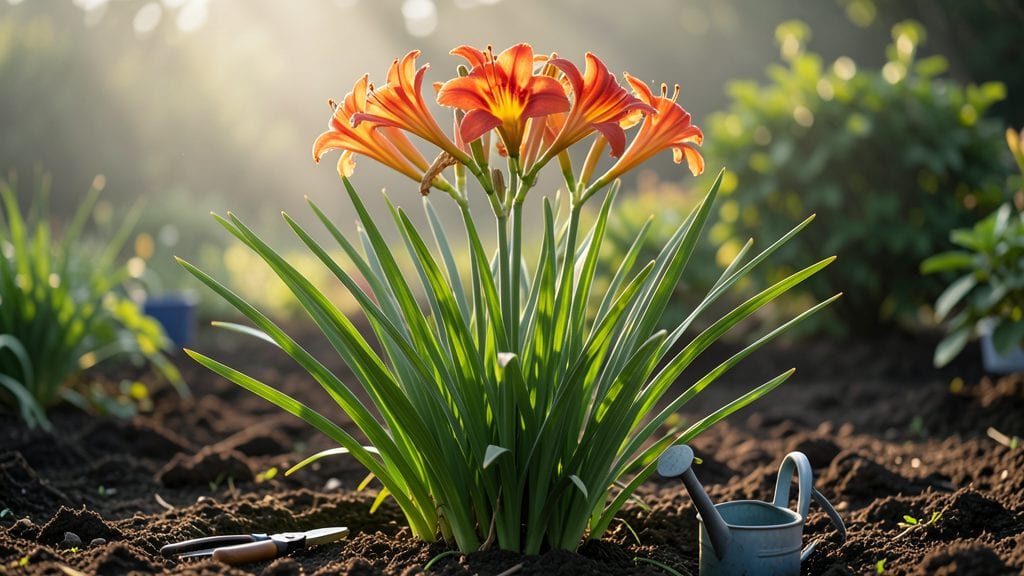
Botanical gardens in Philly showcase stunning plant diversity, from the Morris Arboretum’s towering historic trees to Bartram’s Garden’s thriving native plant habitats, all while offering seasonal delights like spring blooms, autumn foliage, and festive winter displays. These gardens also feature educational exhibits and immersive outdoor experiences for all ages.
Philly's botanical gardens stand out for their specialized collections that go beyond typical city parks. 🌿 The Morris Arboretum, for example, is home to over 10,000 trees from around the world, while Bartram's Garden preserves rare native ecosystems that date back to the 1700s. What makes these spots truly special is how they blend conservation with public education—many offer family-friendly workshops and guided tours that make botany accessible and engaging.
Whether you're a plant enthusiast or just looking for a peaceful outdoor escape, these gardens deliver year-round beauty with something new to discover in every season.
💡 In This Article
- Philly Botanical Gardens’ Unique Plant Collections
- Seasonal Planning for Philly Botanical Garden Visits
Philly botanical gardens’ unique plant collections
The Morris Arboretum stands out as a global arboretum with its meticulously curated collection of over 10,000 trees representing 1,200 species from six continents.
Here's what makes it special: the arboretum's 125-acre landscape includes a 400-year-old dawn redwood and a 150-foot-tall dawn redwood grove, showcasing species that once dominated prehistoric forests.
The garden's conservation mission extends to rare and endangered trees, like the Chinese ginkgo, which produces seeds that are genetically tested for viability before planting.
Bartram's Garden, America's first botanical garden, focuses on preserving the native plant communities of the Delaware Valley. Established in 1728, it features 3,000 plant species native to the region, including 100-year-old bald cypress trees growing in their natural wetland habitat.
The garden's 100-acre landscape mimics the ecological succession seen in the area's original forests, wetlands, and meadows. Visitors can walk through a 170-foot-long native plant tunnel that demonstrates how plants interact in their natural environment, with each layer (canopy, understory, shrubs, and ground cover) clearly visible.
Longwood Gardens' conservatories offer a global perspective with 10,000 plant species from 100 countries, including the world's largest indoor waterfall and a 60-foot-tall tropical conservatory.
The garden's 20-acre display gardens feature themed sections like the Japanese Strolling Garden and Italian Water Garden, each designed to showcase horticultural techniques from different cultures.
What's remarkable is how Longwood combines horticulture with engineering—like their 100-foot-tall fountain that shoots water 146 feet into the air, demonstrating both beauty and precision in water management systems.
The horticultural significance of these collections goes beyond aesthetics. Morris Arboretum's tree collection serves as a living archive for genetic diversity, while Bartram's Garden's native plants support local ecosystems by providing food and habitat for over 100 species of birds and 20 species of butterflies.
Longwood's conservatories play a critical role in plant conservation, housing 30 endangered species that would otherwise face extinction in the wild. Each garden's collection tells a story about plant evolution, human culture, and ecological relationships.
What most visitors don't realize is how these gardens integrate cutting-edge conservation techniques. Morris Arboretum uses DNA fingerprinting to track tree species, while Bartram's Garden employs controlled burns to maintain healthy native ecosystems—something you can observe during their guided ecology tours.
Longwood's conservatories maintain precise humidity levels (between 60-80%) and temperature ranges (typically 70-85°F) to protect delicate tropical species, demonstrating how modern horticulture balances natural conditions with human care.
For plant enthusiasts, the real magic happens in the details. At Morris Arboretum, you can see bark variations up close in their bark collection, where species like the paper birch (with its distinctive white bark) contrast with the smooth bark of a red maple.
Bartram's Garden offers seasonal blooms that change with the pollinators—spring brings wild azaleas that attract hummingbirds, while summer features native milkweed essential for monarch butterflies. These small observations reveal how each garden functions as both a museum and a working ecosystem.
The takeaway is clear: these gardens aren't just pretty landscapes—they're living laboratories where science, art, and conservation intersect. Whether you're admiring a 300-year-old oak at Morris Arboretum or watching bees pollinate native wildflowers at Bartram's, you're witnessing horticulture in action. 🌟