
Watering
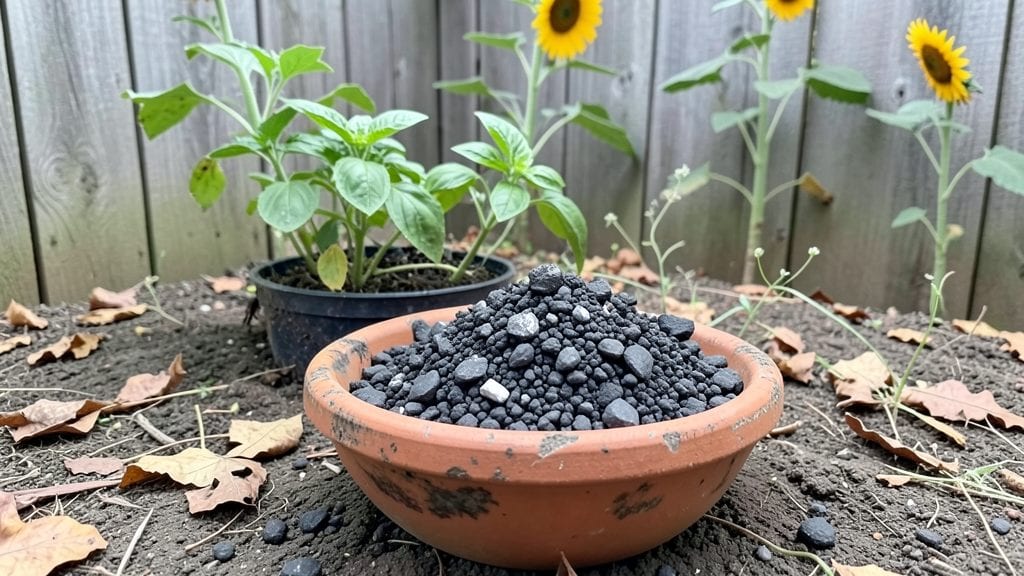
A bowl water garden transforms any space into a living centerpiece with plants that thrive in just water and air. I’ll never forget the first time I saw a tiny fern unfurl from a simple ceramic bowl—it felt like magic, but the setup is shockingly simple.
The key is choosing the right plants and materials to create a self-sustaining microcosm that looks intentional, not fussy.
You’ll need a shallow decorative bowl (3-5 inches deep works best), small pebbles for drainage, and plants like pothos, peace lilies, or fittonia—all of which root easily in water. A sunny windowsill or bright shelf keeps things thriving, and the whole setup takes under 30 minutes to assemble.
The best part? It’s perfect for renters, small apartments, or anyone who wants greenery without soil or mess.
Imagine a bowl filled with glossy leaves cascading over the rim, the air humming with the quiet energy of new growth. These mini ecosystems stay vibrant for months with minimal care, adding life to any room.
The visual impact is undeniable—neighbors will ask how you do it, and you’ll just smile, knowing it’s all about the right balance of water, light, and plant choice.
Works in any style, from rustic terracotta to sleek modern glass. Swap plants seasonally for fresh looks, or keep it simple with one statement piece. The possibilities are endless—let’s get your bowl garden growing!
📚 In This Guide
- What you need
- Instructions
- Tips and common mistakes
- Wrapping up and next steps
What you need
- ● Glass or ceramic bowl: 6–12 inches in diameter (deeper is better for roots). Choose a non-reactive material like glass or food-grade ceramic.
- ● Distilled or dechlorinated water: 1–2 gallons (avoid tap water; use a water conditioner like Seachem Prime if needed).
- ● Small aquatic plants: 3–5 low-light, oxygenating species like: Anubias (hardy, slow-growing)
- ● Java Fern (epiphytic, no substrate needed)
- ● Water Lettuce (floating, fast-growing)
- ● Decorative rocks or pebbles: 1–2 cups (smooth, aquarium-safe stones for anchoring plants and aeration).
- ○ Air pump (optional but recommended): A small 2–4 watt aquarium pump with an air stone to oxygenate water.
- ○ LED grow light (optional): A 5000K–6500K cool-white bulb (4–6 hours/day) if natural light is insufficient.
- ● Live snails or shrimp: Nerite snails or ghost shrimp to control algae and add biodiversity.
- ● Fertilizer tablets: 1–2 aquarium plant tabs (e.g., FloraTabs) for nutrient boosts.
- ● Thermometer: To monitor water temp (ideal: 65–75°F).
- ● Water tester kit: For checking pH (aim for 6.5–7.5) and ammonia levels.
Instructions for creating a self-sustaining bowl water garden
This simple method transforms a decorative bowl into a thriving aquatic ecosystem that needs almost no maintenance.
Select and Prepare Your Bowl
Choose a shallow, wide bowl with a smooth interior—ceramic or glass works best. The bowl should be at least 8 inches in diameter to support a balanced ecosystem. I like to use a bowl with a flat bottom so water doesn’t pool unevenly, which can lead to stagnation. Rinse the bowl thoroughly with warm water to remove any dust or residue before starting.
Place a 1-inch layer of small pebbles or smooth stones at the bottom. This creates a natural base for plants and prevents root rot by allowing excess water to drain slightly. Arrange the stones so they cover the entire surface evenly, leaving just enough space for your plants. Avoid sharp edges—they can damage delicate roots later.
Add Water and Balance the Ecosystem
Fill the bowl with dechlorinated water—tap water contains chlorine that can harm plants and beneficial bacteria. Let tap water sit uncovered for 24 hours before using, or use a water conditioner to remove chlorine. Fill the bowl until the water level reaches just below the rim, leaving about ½ inch of space at the top. This prevents overflow when plants release moisture.
Add 1 tablespoon of liquid fertilizer designed for aquatic plants to the water. Stir gently to distribute it evenly. This provides essential nutrients without overloading the system. For a natural touch, place a small piece of aquatic-safe moss or a tiny piece of driftwood in the bowl. These elements create a habitat for beneficial microorganisms that keep the water clean.
Plant Your Aquatic Specimens
Select 4 small aquatic plants with floating or submerged growth habits, such as water lettuce, duckweed, or tiny water hyacinths. These plants thrive in shallow water and help maintain balance by absorbing excess nutrients. Gently place each plant in the bowl, spacing them evenly around the edges. Avoid overcrowding—each plant should have enough room to spread its roots.
If using rooted plants, tuck their stems lightly into the pebbles at the bottom. For floating plants, simply let them rest on the water’s surface. Watch for the first signs of growth—within 3-5 days, you should see new leaves or stems emerging. This confirms the plants are established and the ecosystem is functioning.
Maintain and Observe Your Ecosystem
Place your bowl water garden in a location with indirect sunlight—4-6 hours of bright, filtered light per day is ideal. Direct sunlight can cause algae blooms, while too little light slows plant growth. Observe the water level daily; evaporation is normal, so top off with dechlorinated water as needed to keep it ½ inch from the rim. Avoid overwatering, as stagnant water can lead to foul odors.
Once a week, gently stir the water to circulate nutrients and prevent stagnation. You’ll notice the plants growing taller and spreading within 2-3 weeks, and the water will stay crystal clear if the balance is right. If you see algae forming, reduce light exposure or add a few more aquatic plants to compete for nutrients. This ecosystem is self-sustaining once established!
Tips & tricks for perfect bowl water gardens
Creating a self-sustaining aquatic ecosystem in a bowl is easier than you think—these little-known tricks make all the difference between a thriving garden and a failed experiment.
The Bowl Selection: Don't settle for just any bowl! The 8-inch minimum diameter is crucial for proper airflow and plant growth. I've found that ceramic bowls with slightly textured interiors actually help roots anchor better than smooth glass. If your bowl has a decorative pattern, make sure it's non-toxic—some paints can leach chemicals into the water over time.
Dechlorination Matters: That 24-hour waiting period for tap water is non-negotiable. Chlorine isn't just harmful—it can completely prevent your ecosystem from establishing. If you're in a hurry, invest in a good water conditioner that removes chlorine in minutes. I keep a small bottle specifically for my aquatic projects, and it's saved me countless failed setups.
Plant Placement Strategy: When arranging your 4 aquatic plants, think about their growth patterns. Place faster-growing varieties like duckweed near the edges where they'll get more light, while slower-growing rooted plants can go in the center. Within those 3-5 days when you first see growth, you'll notice which plants are thriving—and which might need repositioning for better light access.
Lighting Secrets: The 4-6 hours of indirect sunlight recommendation is perfect, but here's the game-changer: position your bowl slightly off-center from the light source. This creates natural light gradients that mimic a pond environment. If you notice algae starting to form after a few weeks, it's usually a sign your plants are getting too much direct light—move the bowl back a foot or use a sheer curtain to diffuse the sunlight.
Pro Tips for Bowl Water Garden
- Creating a self-sustaining aquatic ecosystem in a bowl is easier than you think—these little-known tricks make all the difference between a thriving garden and a failed experiment.
- The Bowl Selection: Don't settle for just any bowl!
- Dechlorination Matters: That 24-hour waiting period for tap water is non-negotiable.
Frequently asked questions
Got questions about creating and maintaining your own bowl water garden? You’re not alone—many beginners (and even seasoned plant lovers!) have the same ones. Here’s a quick rundown to help you dive in with confidence.
How often should I change the water in my bowl water garden?
Change the water every 3–7 days, depending on your plants and environment. Stagnant water breeds bacteria and algae, which can harm roots. If you notice cloudiness or a foul smell, refresh it sooner. Use filtered or dechlorinated water to avoid stressing your plants. Pro tip: Add a small air pump for larger bowls to keep water oxygenated!
How long does it take for plants to thrive in a bowl water garden?
Most aquatic plants show signs of growth within 2–4 weeks, but full vibrancy takes 6–12 weeks. Patience is key! Factors like lighting, water quality, and plant type (e.g., fast-growing water lettuce vs. slow-moving anubias) play a role. Monitor leaves for color and new growth—those are your best indicators!
Can I use tap water in my bowl water garden?
Tap water can work, but it often contains chlorine or chloramine, which can harm plants. Let it sit out for 24 hours to evaporate chlorine, or use a water conditioner. Rainwater or distilled water are ideal alternatives. If your water is hard (high in minerals), flush the bowl weekly to prevent buildup.
What if my plants start to rot or turn yellow?
Yellowing or rotting leaves usually mean overcrowding, poor lighting, or nutrient imbalance. Prune crowded plants, ensure your bowl gets 4–6 hours of indirect light daily, and check water conditions. Add liquid fertilizer (like seaweed extract) sparingly if growth stalls. If roots smell sour, it’s time for a water change! Act fast: Remove affected leaves to prevent spread.
Are bowl water gardens safe for pets or kids?
Generally yes, but with precautions! Avoid toxic plants like water hyacinth or lotus if pets might nibble. Use smooth, non-toxic bowls (glass or food-grade plastic) and secure them to prevent tipping. Supervise young kids near water features—it’s a great teaching moment about ecosystems!
What’s a low-maintenance alternative to a bowl water garden?
If a bowl feels too hands-on, try a self-contained terrarium with moss and small ferns, or a hydroponic kit for herbs. For water lovers, a koi pond with a recirculating filter cuts down on upkeep. Even a pebble tray with water-loving succulents (like peperomia caperata) is a breeze!
Wrapping up and next steps
A bowl water garden isn’t just a creative way to grow plants—it’s a miniature, self-sustaining ecosystem that brings life and tranquility to any space. By balancing simplicity with sustainability, you can nurture thriving greenery while minimizing effort and waste.
Whether you’re a seasoned gardener or a beginner, this project is your gateway to a low-maintenance, high-reward green haven.
Ready to dive in? Start small—pick a bowl, gather your plants, and let nature do the rest! Your next step: Experiment with different plant combos, document your progress, and share your bowl garden journey with fellow plant lovers. Happy growing! 🌱✨