Container Gardens
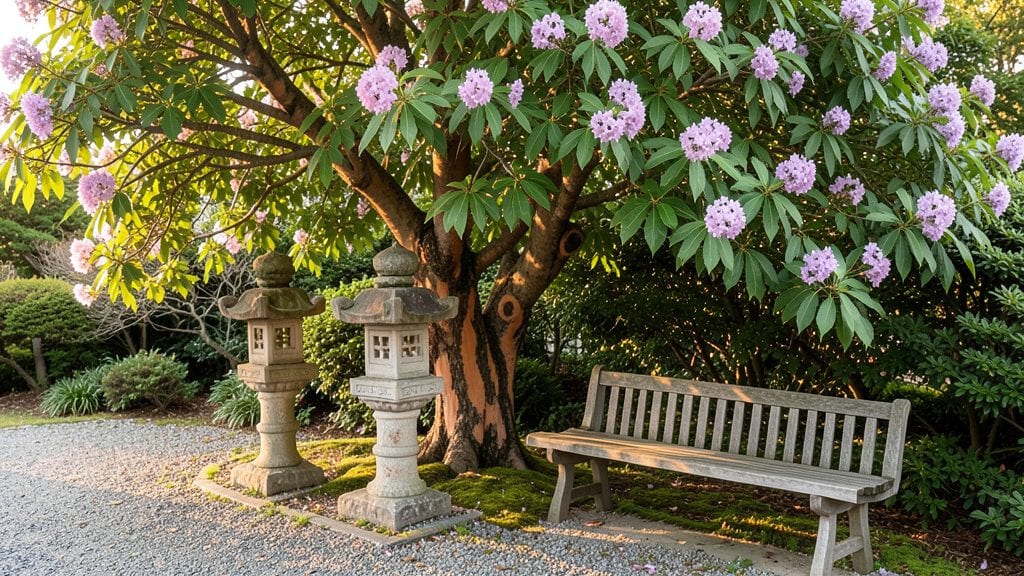
Botanical gardens reciprocity programs let members visit partner gardens globally at reduced or no cost, broadening travel options while pooling fees to fund conservation projects. These partnerships often include annual passes and early access to seasonal displays.
These cross-garden partnerships create a win-win for both visitors and institutions. 🌿 Many programs, like those through the Botanic Gardens Conservation International (BGCI), connect gardens across continents, letting you explore diverse ecosystems without additional costs.
For example, a membership at Chicago's Chicago Botanic Garden might grant you free entry to London's Kew Gardens or Sydney's Royal Botanic Garden. The system also benefits conservation by consolidating resources—shared membership fees fund global plant research and habitat restoration projects.
What makes this especially valuable is the flexibility. Most programs offer priority booking for popular events like orchid festivals or night tours, giving you access before general admission opens. Plus, many include digital passes for virtual tours of partner gardens, perfect for planning future trips or learning from home. 💫
💡 In This Article
- How Botanical Gardens Reciprocity Agreements Function
- Maximizing Benefits: Tips for Garden Visitors
How botanical gardens reciprocity agreements function
At the core of these programs lies a shared membership model where fees paid to one garden automatically grant access to a network of partners.
The financial structure typically operates on an annual basis—when you purchase a membership at your home garden, that fee gets pooled with contributions from other members across the network.
This consolidated fund then gets distributed to participating institutions based on predefined allocation formulas, often tied to conservation priorities or visitor capacity. For instance, a $100 membership at the New York Botanical Garden might unlock free entry to 15-20 partner gardens worldwide, with the network handling all administrative costs.
The selection process for partner institutions combines geographic diversity with conservation impact.
Networks like Botanic Gardens Conservation International (BGCI) use a rigorous vetting system that evaluates gardens based on three key metrics:
- global rarity collections (gardens holding endangered species),
- scientific research output (publications and conservation programs), and
- visitor accessibility (location and infrastructure).
Regional alliances, such as the American Public Gardens Association (APGA), focus more on North American institutions but still maintain international ties through cross-continental partnerships. What's fascinating is how these networks prioritize gardens that fill ecological gaps—like a tropical garden partnering with an alpine research center—to create comprehensive biodiversity coverage.
Visitor data plays a surprisingly sophisticated role in these agreements. Most networks implement a real-time tracking system where each garden's visitor management software syncs with the central network database. This allows institutions to monitor usage patterns—like peak visiting times or popular exhibits—and adjust reciprocal benefits accordingly.
For example, if Boston's Arnold Arboretum notices a surge in visitors from Chicago members during cherry blossom season, they might allocate additional reciprocal passes to Chicago's network members the following year.
The data also helps optimize conservation funding by identifying which gardens need more support based on actual visitor engagement with their preservation programs.
What most visitors don't realize is how these agreements incorporate tiered access levels that evolve with your membership duration.
New members typically get basic reciprocal access (free entry to 5-10 gardens), but after 3-5 years of consistent participation, you can often upgrade to premium access—including priority booking for exclusive events like behind-the-scenes tours or seed banking workshops.
The BGCI Global Network, for instance, offers a "Heritage Member" tier after five years that includes complimentary access to their 1,500+ partner institutions worldwide, plus invitations to international conservation conferences. This progressive system creates long-term engagement while ensuring the network maintains a diverse membership base.
The conservation aspect works through a percentage-based funding model where typically 10-15% of all reciprocal fees get allocated to global conservation projects. These funds support everything from seed bank operations (like the Millennium Seed Bank Partnership) to invasive species eradication programs.
For example, when you visit a reciprocal garden in South Africa, a portion of your entry fee might directly fund their fynbos ecosystem restoration—a unique plant community found nowhere else on Earth.
The transparency here is impressive: most networks provide annual reports showing exactly how funds were distributed across partner institutions and conservation initiatives.
One particularly innovative mechanism is the "conservation voucher" system used by some regional alliances. Here's how it works: when you visit a reciprocal garden, you earn "conservation credits" based on your visit duration and engagement level (measured through timed entry/exit systems).
These credits can then be redeemed for specific conservation actions—like sponsoring the protection of 100 square meters of critical habitat or funding the propagation of 50 endangered plant species.
It's a direct way for visitors to see the tangible impact of their garden visits, creating a powerful feedback loop between recreation and conservation.
What makes these systems so effective is their ability to balance local autonomy with global coordination. Each participating garden maintains control over its own operations while benefiting from the collective resources of the network.
For example, the Missouri Botanical Garden might use its reciprocal partnerships to offer specialized programs like their "Tropical Discovery Tour", while still contributing to the network's global seed exchange initiatives.
This dual focus on educational experiences and conservation action is what gives these reciprocity programs their unique power to transform casual visitors into active stewards of plant biodiversity. 🌍