Companion Plants
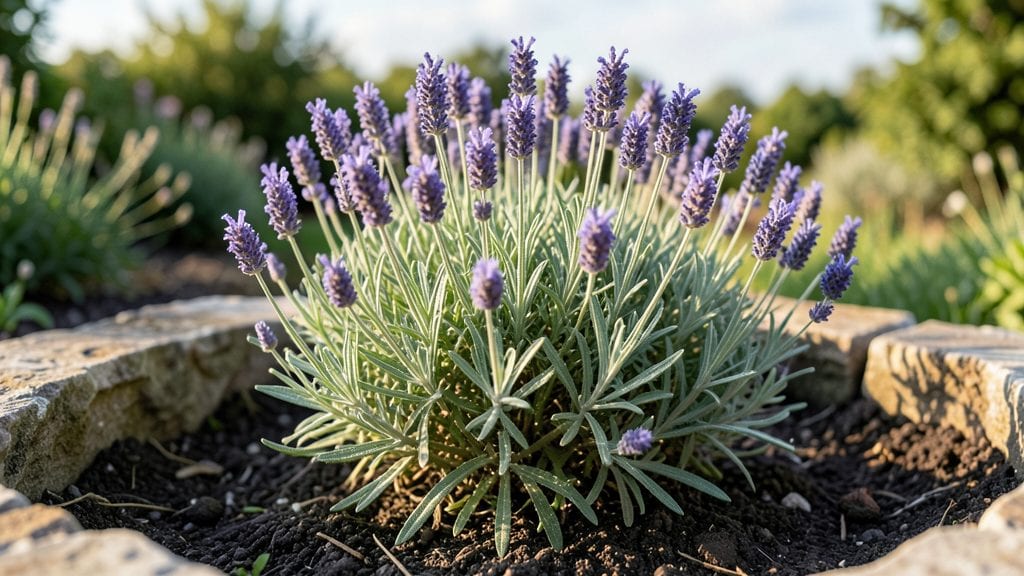
My home garden plants now buzz with life all year because I swapped out half the annuals for these pollinator magnets. 🌿 The key isn't just planting flowers—it's choosing the right mix that keeps bees, butterflies, and hummingbirds visiting from spring through frost.
I'll never forget the first time I watched monarchs flutter through my garden in November, something I'd only seen in summer before.
These plants handle everything from sunny borders to shady corners, and most need less fuss than your average petunias. Think coneflowers that bounce back after winter, salvias that hummingbirds can't resist, and asters that bloom when everything else is fading.
The soil? Just needs to drain well—no fancy amendments required. Even my black thumb can't kill these with basic watering and occasional deadheading.
By summer's end, your garden will be a nonstop show with vibrant blooms in every color and pollinators you can barely count. The air hums with wings, and you'll harvest more fruits and veggies because the pollinators do all the work.
This isn't just about flowers—it's about creating a thriving ecosystem that works for you and the wildlife.
Works in containers, borders, or full sun meadows—adjust the mix based on your space and climate. Let's get those pollinators feasting!
📚 In This Guide
- What you need
- Instructions
- Tips and common mistakes
- Wrapping up and next steps
What you need
- ● Pollinator-friendly seeds or plants: 1–2 lbs of native wildflower seeds (e.g., Echinacea, Rudbeckia, Asclepias)
- ● 3–5 mature plants (e.g., Lavender, Coneflower, Milkweed) for instant blooms
- ● Soil prep: Compost (5–10 gallons) or organic fertilizer (e.g., fish emulsion)
- ● Garden soil or potting mix (2–3 cubic yards for in-ground gardens)
- ● Watering supplies: Hose with adjustable nozzle or watering can (5+ gallon capacity)
- ○ Drip irrigation kit (optional but ideal for year-round care)
- ● Basic tools: Trowel or hand shovel
- ● Pruning shears (for trimming dead blooms)
- ● Garden gloves (1 pair for protection)
- ○ Optional upgrades: Soil pH tester (to ensure pollinator-friendly conditions)
- ● Mulch (straw or shredded leaves, 2–3 inches)
- ● Pollinator hotel (for solitary bees!)
- ● A sunny spot (6+ hours of sunlight daily)
- ● Well-draining soil (amend with compost if needed)
- ● Access to water (or a rain barrel for sustainability)
- ● Patience! Some perennials take 1–2 years to fully bloom.
Step-by-Step instructions for planting pollinator-friendly blooms
Here's how to create a thriving, bee- and butterfly-friendly garden that keeps blooming season after season.
🌱 Step 1: Choose and Prepare Your Planting Sites
Select four sunny spots in your yard that receive at least 6 hours of sunlight daily. Pollinators love variety, so I like to spread plants across different areas—some near fences, others closer to the house. Clear any weeds or grass from a 2-foot radius around each site to give roots room to establish.
Loosen the soil with a garden fork to a depth of 6-8 inches. This helps roots spread easily without struggling through compacted earth. If your soil feels heavy or clay-like, mix in 2 inches of compost to improve drainage and fertility. I always work the compost into the top 4 inches of soil—this is where most roots will grow.
🌿 Step 2: Select and Plant Your Pollinator-Friendly Species
For year-round blooms, I recommend planting a mix of coneflowers, black-eyed Susans, bee balm, and milkweed. Each of these attracts different pollinators—bees love coneflowers, butterflies adore milkweed, and hummingbirds visit bee balm. Space plants 18-24 inches apart to allow airflow and prevent disease.
Dig holes slightly larger than the root balls of your plants. Gently remove each plant from its container and place it in the hole so the top of the root ball sits level with the soil surface. Fill the hole with soil and press lightly around the base to remove air pockets. Water deeply right after planting—this helps settle the soil and encourages roots to spread quickly.
☀️ Step 3: Mulch and Water for Long-Term Success
Spread a 2-inch layer of mulch around each plant, keeping it 3 inches away from the stems to prevent rot. I use shredded bark mulch because it breaks down slowly and retains moisture. This layer also suppresses weeds, which compete with your pollinator plants for nutrients and water.
Water deeply twice a week during the first month to help roots establish. You'll know the soil is moist enough when the top 1-2 inches feel damp but not soggy. After the first month, reduce watering to once a week, unless your area experiences extreme heat. Pollinator plants are drought-tolerant once established, but consistent moisture during the first few weeks is critical.
✂️ Step 4: Maintain and Encourage Year-Round Blooms
Deadhead spent blooms regularly to encourage new flowers and prolong the blooming season. I pinch off faded flowers with my fingers or use clean pruners to trim back stems. This simple step keeps your garden looking vibrant and ensures a steady supply of nectar for pollinators.
In late fall, cut back perennials to 4-6 inches above the ground. This helps protect them from harsh winter winds and prevents disease. Leave seed heads on a few plants—birds and small mammals will enjoy the seeds over winter, and some plants self-seed beautifully for next year’s garden.
🪴 Step 5: Monitor and Adjust for Seasonal Changes
Check your plants monthly for pests like aphids or powdery mildew. If you spot issues, treat them early with a mix of 1 tablespoon of mild dish soap in 1 gallon of water sprayed on the affected areas. This gentle solution works wonders without harming pollinators.
Adjust watering as seasons change. In summer, you may need to water every 5-7 days, while winter often requires no additional watering unless the ground is unusually dry. Watch your plants—they’ll tell you what they need. Wilting leaves mean it’s time to water, and yellowing foliage often signals overwatering.
Tips & tricks for pollinator-friendly blooms
These simple yet powerful tricks will help your pollinator garden thrive with minimal effort—and maximum impact for bees, butterflies, and hummingbirds.
Sunlight Strategy: That 6-hour daily sunlight requirement is non-negotiable for pollinator plants. If your yard has partial shade, focus on planting coneflowers and black-eyed Susans—they handle 4-6 hours of sun better than bee balm or milkweed. I've seen bee balm struggle in less than full sun, so position it where it gets the most light first.
Soil Prep Secret: When loosening soil to 6-8 inches deep in Step 1, don't just poke the surface—work that fork all the way down. Roots need room to grow, and compacted soil can strangle them. For heavy clay soil, mix in that 2 inches of compost right where the roots will grow (top 4 inches), not just on top. Think of it as creating a root-friendly "sponge" for your plants.
Plant Spacing Hack: The 18-24 inch spacing between plants in Step 2 might seem generous, but trust me—it's worth it. Crowded plants compete for nutrients and water, making them more susceptible to disease. Plus, pollinators need room to navigate between flowers. I've seen gardens where plants were too close, and the bees would get tangled in the foliage trying to reach the blooms.
Watering Wisdom: Those first two weeks of deep watering twice weekly are crucial, but don't drown your plants. The top 1-2 inches should feel damp, not soggy. After the first month, you can reduce to weekly watering, but check the soil first—stick your finger in about 1 inch deep. If it's dry, water; if it's moist, wait. Overwatering is just as harmful as underwatering for pollinator plants.
Pro Tips for Home Garden Plants
- These simple yet powerful tricks will help your pollinator garden thrive with minimal effort—and maximum impact for b...
- Sunlight Strategy: That 6-hour daily sunlight requirement is non-negotiable for pollinator plants. If your yard has p...
- Soil Prep Secret: When loosening soil to 6-8 inches deep in Step 1, don't just poke the surface—work that fork all th...
Frequently asked questions
Got questions about growing pollinator-friendly plants at home?
Here are some of the most common ones—plus expert tips to help you garden like a pro!
What are the easiest pollinator-friendly plants for beginners?
Start with hardy, low-maintenance picks like bee balm, coneflowers, or lavender. These thrive in average soil, need minimal water, and attract bees, butterflies, and hummingbirds effortlessly. Pro tip: Plant in clusters (3–5 together) to maximize their appeal!
When is the best time to plant these flowers for year-round blooms?
For perennials, plant in early spring or fall (6–8 weeks before the first frost). Annuals like sunflowers or zinnia can go in after the last frost. Bonus: Succession planting (adding new seeds every 2–3 weeks) keeps blooms going all season!
Can I grow pollinator plants in containers or small spaces?
Opt for compact varieties like dwarf cosmos, window-box lavender, or miniature sunflowers. Use well-draining soil and 12"+ pots. Remember: Place containers near windows or fences to catch pollinators’ attention!
How do I keep pests away without harming bees or butterflies?
Avoid chemical pesticides—opt for neem oil, soapy water sprays, or introduce ladybugs. Plant marigolds or basil nearby to repel aphids naturally. Key trick: Water plants in the early morning to deter pests and help blooms last longer.
What if my plants stop blooming mid-season?
Deadhead spent flowers (snip off faded blooms) to encourage new growth. Over-fertilizing can reduce blooms—use a low-phosphorus fertilizer instead. Quick fix: Prune leggy stems to promote bushier, flower-packed growth!
Are there any pollinator plants that thrive in shade?
Yes! Try foxglove, columbine, or astilbe for partial shade. Even hostas (butterfly magnets!) do well under trees. Light tip: Mulch heavily to retain moisture—shady spots dry out faster than you think!
Wrapping up and next steps
Transforming your home garden into a buzzing haven for pollinators doesn’t have to be complicated—just start small and let nature do the rest! 🌸 From sun-loving lavender to shade-tolerant ferns, these year-round blooms will not only attract bees, butterflies, and hummingbirds but also bring color, life, and joy to your outdoor space.
Remember, every plant counts, so even a single pot on your balcony can make a difference.
Ready to take the next step? Pick one or two plants from this list, grab your gardening tools, and begin your pollinator-friendly journey today. Happy planting—and here’s to a garden that thrives with nature, not against it! 🌿✨