
Featured
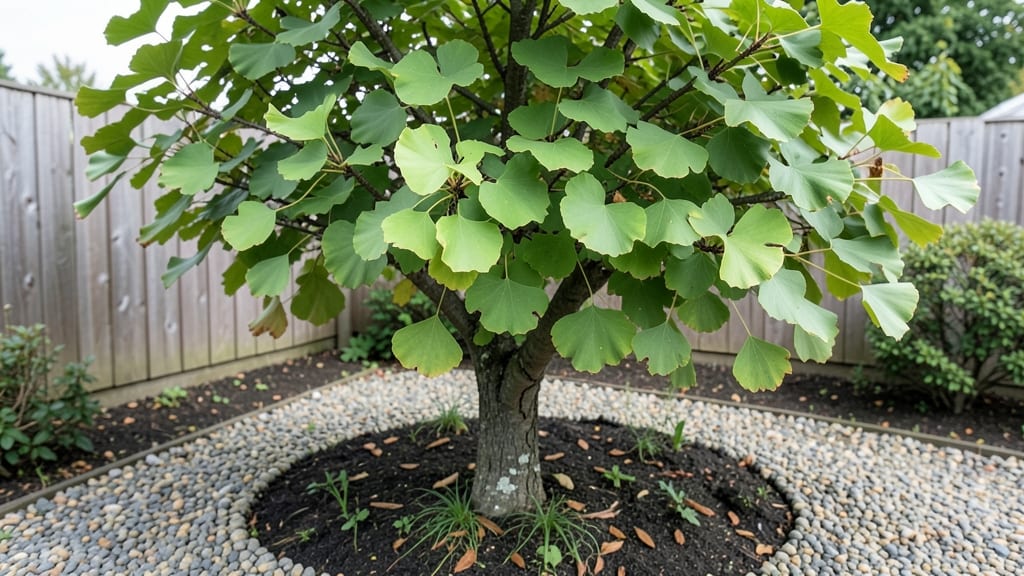
The Montreal Botanical Garden stands out as Canada’s largest botanical garden, offering a curated journey through diverse ecosystems. 🌿 Its Chinese Pavilion and Japanese Garden showcase meticulously designed landscapes, while the First Nations Garden highlights Indigenous plant knowledge.
Beyond the main attractions, the garden’s greenhouses house rare species like carnivorous plants and orchids, making it a paradise for plant enthusiasts. The garden’s layout also adapts to Montreal’s climate, ensuring year-round beauty.
What truly sets this garden apart is its ability to transform with the seasons. Spring brings vibrant tulip festivals, while summer features the butterfly conservatory releases. Autumn showcases pumpkin displays, and winter offers enchanting holiday light trails.
Each season reveals new hidden paths, like the serene bamboo groves in the Chinese Garden, offering a peaceful escape from the city’s hustle.
💡 In This Article
- Montreal Botanical Garden’s Unique Plant Collections
- Seasonal Must-See Events in Montreal’s Botanical Garden
Montreal botanical garden’s unique plant collections
The garden’s greenhouses create microclimates that defy Montreal’s harsh winters, housing over 1,500 tropical and subtropical species that would otherwise perish outdoors. These climate-controlled spaces maintain 70-85°F temperatures year-round, with humidity levels carefully calibrated to mimic their native environments.
The Alpine Garden alone showcases 1,200 species adapted to high-altitude conditions, including rare edelweiss and saxifrages, demonstrating how plants evolve to thrive in extreme cold and thin air.
One standout collection is the carnivorous plant display, featuring over 200 species like the Venus flytrap and pitcher plants, which have adapted to nutrient-poor soils by trapping insects. These plants require acidic, peat-based soil and low-light conditions—a far cry from Montreal’s alkaline urban soil.
The garden’s horticulturists use rainwater filtration systems to replicate their natural bog environments, maintaining a pH of 4.5-5.5 to prevent root damage. 🌿
The rose collection spans 1,500 varieties, including heirloom roses dating back to the 19th century and modern hybrids bred for disease resistance. Unlike traditional gardens, Montreal’s roses are cultivated using organic pest control—like neem oil sprays—to preserve biodiversity.
The garden’s climate-adapted techniques include mulching with compost to insulate roots during winter, reducing temperature swings from -20°F to 80°F that Montreal’s seasons demand.
For orchid enthusiasts, the glasshouse orchidarium features 1,000+ hybrids, including Phalaenopsis and Cattleya, which thrive in 60-80% humidity and dappled light. The garden’s aeroponic systems—where roots grow in mist—mimic tropical rainforest conditions, allowing these epiphytes to flourish without soil.
This method uses 90% less water than traditional potting, a critical adaptation for Montreal’s water-conscious gardening practices.
The First Nations Garden offers a living laboratory of traditional medicinal plants, like echinacea and goldenseal, cultivated using sustainable permaculture principles. Unlike ornamental gardens, these plants are grown for their therapeutic properties, with labels explaining their historical uses.
The garden’s three-sisters planting method—intercropping corn, beans, and squash—demonstrates Indigenous agricultural ingenuity, where each plant supports the others: corn provides structure, beans fix nitrogen, and squash suppresses weeds.
What most visitors overlook is how the garden’s seasonal rotations preserve rare species. During winter, tender plants are moved to greenhouses, while hardy perennials like hostas and ferns hibernate in mulched beds with straw insulation.
This cycle ensures the garden’s 22,000+ species remain viable year-round, a feat that would be impossible without Montreal’s climate-smart horticulture.