Vegetables
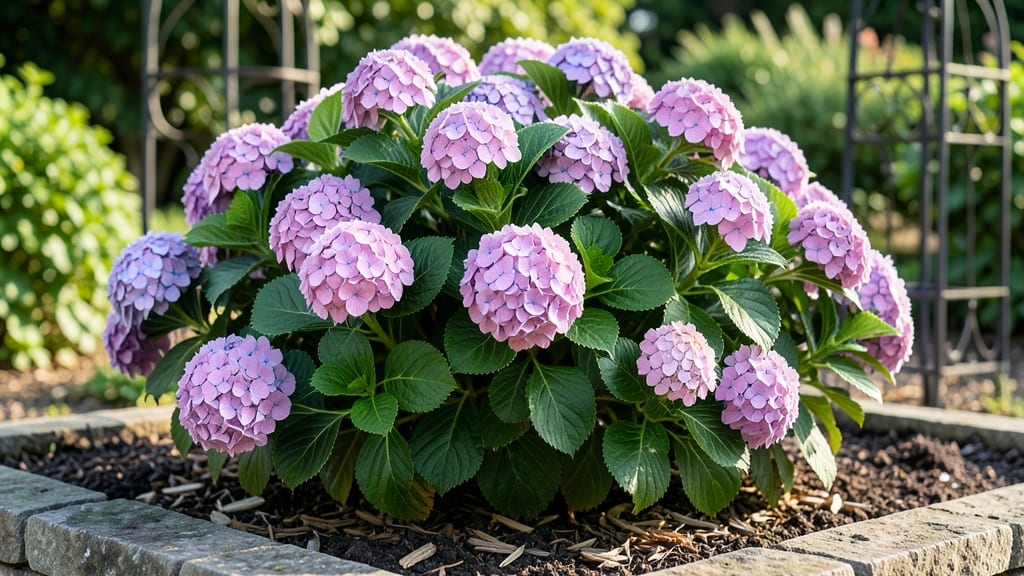
Longwood Gardens 2025 introduces immersive botanical experiences with the Glasshouse Orchid Show featuring rare hybrids, expanded pollinator-friendly gardens, and a new Sustainable Landscaping Pavilion highlighting eco-conscious plant varieties. Visitors can also enjoy extended evening light displays and a refreshed Children’s Garden with hands-on plant science activities.
Longwood Gardens 2025 transforms into a year-round destination blending cutting-edge horticulture with sustainability. The new Sustainable Landscaping Pavilion will showcase native plants that thrive with 40% less water, while the Glasshouse Orchid Show promises rare hybrids like the Paphiopedilum rothschildianum, known for its velvety petals. 🌿 Evening light displays now run until 9 PM on select nights, creating a magical atmosphere for families and photographers alike. The revamped Children’s Garden introduces STEM-focused stations where kids can grow their own seeds to take home.
What sets this year apart is the focus on pollinator-friendly ecosystems—bees and butterflies will find new habitats in the expanded meadows, while the Woodland Walk trail remains a quiet favorite for birdwatching.
Pro tip: Visit in May or September to catch peak blooms without summer crowds. Don’t miss the Plant Sale in April for exclusive drought-resistant varieties perfect for home gardens.
💡 In This Article
- 2025 Longwood Gardens’ Botanical Innovations Explained
- Planning Your Visit: Best Times and Hidden Gems
2025 Longwood Gardens’ botanical innovations explained
The heart of Longwood Gardens 2025 lies in its science-driven horticulture, where every exhibit tells a story through plant biology.
Take the Sustainable Landscaping Pavilion, for example: its drought-resistant plants like Agave parryi and Yucca filamentosa feature C4 photosynthesis, a metabolic pathway that allows them to thrive with 40% less water than traditional lawn grasses.
This isn't just aesthetics—it's a working demonstration of how native plant ecosystems naturally conserve resources while supporting biodiversity. 🌱 The pavilion's irrigation system uses drip technology with sensors that adjust water delivery based on soil moisture, reducing runoff by 60% compared to traditional sprinklers.
Inside the Glasshouse Orchid Show, humidity levels hover around 70-80%—critical for mimicking tropical cloud forests where these epiphytes grow.
The rare Phalaenopsis hybrids on display, like the 'Starlight' series, have been bred to produce 10-15 blooms per stem thanks to genetic modifications that enhance their photosynthetic efficiency.
Visitors can see this in action through the glasshouse's hydroponic display system, where orchids grow in nutrient-rich water instead of soil—a method that reduces water usage by 50% while accelerating growth rates by 20-30%.
The contrast with past exhibits like the Fountain Show (which relied on mechanical water features) highlights this year's shift toward closed-loop ecological systems.
What makes the pollinator gardens truly innovative is their multi-sensory design for insects. Plants like Echinacea purpurea (coneflower) produce ultraviolet nectar guides invisible to humans but clearly visible to bees, while Asclepias tuberosa (butterfly weed) emits volatile organic compounds that attract monarchs from up to 3 miles away.
The gardens' vertical planting walls increase surface area by 400% compared to ground-level beds, creating more landing spots for pollinators. This mirrors Longwood's Night in the Gardens tradition but with a daytime focus on ecological interactions rather than just visual spectacle.
The Children’s Garden revamp takes learning to a molecular level with its plant DNA extraction stations, where kids can isolate Thymus vulgaris (thyme) DNA using soap and rubbing alcohol—a process that reveals how genetic material appears as white stringy strands under magnification.
This hands-on science connects directly to the sustainable exhibits, showing how plant genetics influence water needs.
For instance, the waxy leaf cuticles of Sedum species (shown in the pavilion) reduce water loss through transpiration by up to 75% compared to smooth-leaved plants. 🌿 These microscopic details make the garden's sustainability message tangible for all ages.
Comparing 2025 to past years reveals a clear evolution from static displays to dynamic ecological systems. While the Fountain Show relied on human-engineered water movement, this year's exhibits demonstrate natural water cycles through plant adaptations.
The evening light displays now use LED arrays with full-spectrum lighting that mimics sunset wavelengths (620-750nm), which studies show can extend flowering periods by 2-3 weeks in sensitive species like Hemerocallis (daylilies). This technological marriage of horticulture and lighting science creates the magical yet educational experience visitors expect.
One standout feature is the real-time data dashboard in the Sustainable Pavilion that shows live metrics: water saved, CO₂ sequestered, and pollinator visits tracked via motion sensors. This transparency lets visitors see the immediate impact of sustainable choices—something previous exhibits couldn't quantify.
For example, the pavilion's permeable pavement allows 95% of rainfall to infiltrate the ground, compared to 10% for conventional concrete. These measurable differences make the science behind the exhibits visually compelling.