
Container Gardens
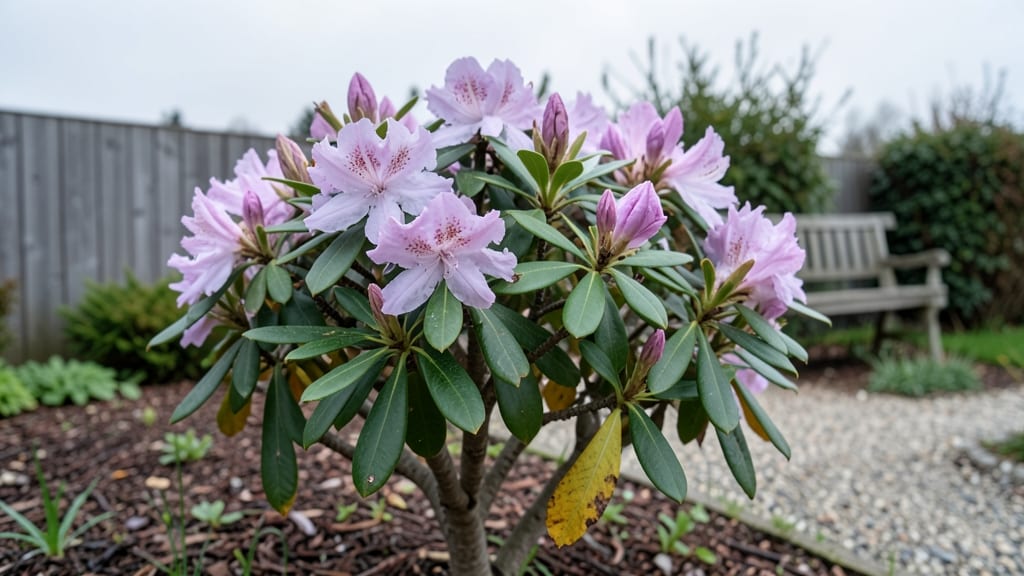
Botanical Gardens Belfast offers themed sections like the Victorian Glasshouses and Japanese Garden, featuring rare plants, seasonal displays, and complimentary entry. This year-round attraction captivates plant enthusiasts and photographers with its diverse botanical wonders.
Botanical Gardens Belfast stands out as Northern Ireland's premier horticultural destination, blending historic charm with modern conservation efforts. 🌿 The Victorian Glasshouses alone house over 5,000 plant species, including carnivorous plants and exotic orchids rarely seen outside botanical settings. What makes this garden particularly special is its commitment to sustainability—many displays highlight native Irish flora alongside global rarities, creating an educational experience that's both visually stunning and ecologically meaningful.
Beyond its permanent collections, the garden transforms seasonally: spring brings vibrant tulip displays, while autumn showcases fiery foliage and pumpkin-themed exhibits. The Japanese Garden, a tranquil escape within the larger complex, features meticulously pruned bonsai trees and koi ponds that create a serene atmosphere perfect for mindfulness practices.
With free admission and minimal crowds outside peak seasons, it's an ideal spot for both casual visitors and serious gardeners seeking inspiration.
💡 In This Article
- Exploring Belfast Botanical Gardens’ Unique Plant Collections
- Best Times to Visit Belfast Botanical Gardens for Seasonal Beauty
Exploring Belfast botanical gardens’ unique plant collections
The Victorian Glasshouses at Belfast Botanical Gardens serve as a time capsule of 19th-century horticulture, housing over 5,000 plant species under 19th-century iron-and-glass architecture.
These structures maintain precise 60-80°F temperatures and 70-80% humidity, creating ideal conditions for tropical plants like the Queen of the Night cactus (Selenicereus grandiflorus), which blooms only at night and emits a sweet, jasmine-like fragrance.
The glasshouses also feature rare carnivorous plants such as the Pitcher Plant (Nepenthes), which lures insects with nectar before digesting them—an adaptation to nutrient-poor soils.
The tropical section alone contains 1,200 species, including 100-year-old palm trees and giant Victoria amazonica water lilies, whose leaves can support 40-pound weights. These plants thrive due to the glasshouses' artificial rainfall systems, which mimic tropical downpours, and CO₂ enrichment to accelerate growth.
The orchid collection, with 200 varieties, includes the Cattleya labiata, whose blooms can reach 8 inches wide and perfume the air for weeks. 🌺
Conservation efforts here focus on seed banking and habitat restoration. The gardens partner with the Millennium Seed Bank to preserve endangered species, like the Irish Whitebeam (Sorbus hibernica), a native tree with fewer than 500 wild specimens.
Visitors can observe these efforts in action through interactive displays showing DNA extraction from orchid seeds—a process where 1,000 seeds weigh just 1 milligram.
The Japanese Garden further emphasizes sustainability with its closed-loop water system, where koi pond water filters through bamboo and gravel to irrigate bonsai trees.
The seasonal displays rotate to highlight botanical science in action. For example, the autumn chrysanthemum collection showcases 25 cultivars, each bred for specific flower shapes—some resembling peony-like pompons, others spidery reflexes.
The winter poinsettia exhibit features red, white, and pink varieties, with the Eckespoint 'White Star' producing pure white bracts due to a rare genetic mutation. These displays aren't just decorative; they demonstrate plant breeding techniques used in agriculture worldwide.
What most visitors overlook is the hidden alpine garden, tucked behind the Victorian Glasshouses. Here, 300 species of alpine plants thrive in rock crevices mimicking high-mountain environments.
The Saxifraga oppositifolia, or "purple saxifrage," survives -40°F temperatures and blooms within 6 weeks of snowmelt—a testament to cryogenic adaptation. This section also features cold-hardy ferns like the Woodsia ilvensis, whose fronds curl to prevent frost damage. 🌨️
The gardens' conservatory's air filtration system removes 99% of pollen and spores, creating an allergy-friendly space for visitors. This technology uses HEPA filters and UV-C light to neutralize pathogens, ensuring rare plants like the Philodendron bipinnatifidum (with 5-foot-wide leaves) remain disease-free.
The result? A living laboratory where science meets serenity, offering insights into plant resilience that extend beyond the garden walls.