
Tools
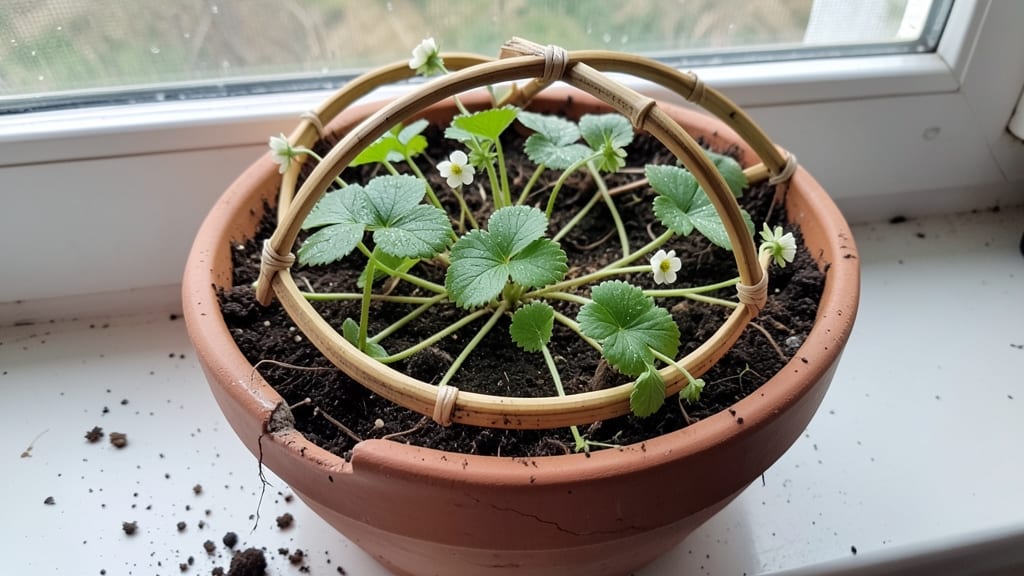
Transforming tight spaces into lush vertical gardens starts with simple bamboo hoops. 🌿 I’ve used these lightweight frames to turn blank walls into thriving green canvases, and the results are shockingly productive—even in a 50-square-foot balcony. The best part? You don’t need fancy tools or expensive materials to get started.
Bamboo hoops work as trellises for climbing plants like beans, peas, or morning glories, or as sturdy frames for fabric pockets where herbs and lettuce thrive.
The natural texture adds rustic charm while supporting plant growth, and the lightweight material makes them easy to move or adjust as your garden evolves. For durability, soak the hoops in water for a few hours before assembly—it prevents cracking and extends their lifespan.
Imagine fresh herbs within arm’s reach, vines cascading like living curtains, or a vertical garden that blooms with color all season. With just a few hoops, you’ll create a garden that feels expansive, even in the smallest urban nooks.
The setup takes under an hour, and the payoff? A garden that grows with you, not against your space.
Works for renters, small patios, or cozy backyards—just adjust the height to fit your plants and style. Whether you’re training cucumbers or displaying delicate flowers, bamboo hoops turn empty vertical space into a functional, beautiful garden. Let’s get those hoops installed!
📚 In This Guide
- What you need
- Instructions
- Tips and common mistakes
- Wrapping up and next steps
What you need
- ● Bamboo hoops: 3–6 hoops (depending on space), each 12–18 inches in diameter and 24–36 inches tall (adjust for plant size).
- ● Bamboo stakes or poles: 6–12 pieces, 3–4 feet long (for stability).
- ● Twine or zip ties: 10–20 feet (for securing hoops to stakes).
- ● Potting soil: 1–2 bags (well-draining mix for containers).
- ● Container pots: 3–6 pots, 6–12 inches deep (one per hoop).
- ● Plants: Choose compact varieties like herbs (basil, thyme), succulents, or trailing flowers (petunias, nasturtiums).
- ● Drill or screwdriver: (for pre-drilling holes in hoops if needed).
- ● Decorative paint or stain (for bamboo hoops).
- ● Hanging planters (for added vertical flair).
- ● Watering can with a long spout (for easy top-watering).
- ● Plant labels (to track your greenery).
- ● Solar-powered LED lights (for evening ambiance).
Step-by-Step instructions for building a stunning bamboo hoops garden
Transform your small space into a lush vertical oasis with this simple, stylish system.
🪴 Step 1: Gather and Prepare Your Bamboo Hoops
Start with 4 sturdy bamboo hoops—each should be about 18-24 inches in diameter to provide enough planting space. I like to sand any rough edges with 120-grit sandpaper to prevent splinters, then wipe them down with a damp cloth. This step ensures your hoops feel smooth and safe against your skin when handling plants.
Next, attach the hoops to a vertical frame. I use a 4-foot wooden post as the center support, drilling holes at 12-inch intervals to secure each hoop with 3-inch deck screws. Space them evenly so the hoops don't overlap—this creates a clean, layered look and prevents roots from tangling between levels.
🌱 Step 2: Create a Planting Medium for Hoops
Line each hoop with a heavy-duty landscape fabric, cutting it to fit snugly and stapling the edges to the back of the hoop with a staple gun. This keeps soil contained and prevents it from spilling out when watering. I fold the fabric inward at the bottom to create a small reservoir for water.
Fill each hoop with a mix of 2 parts potting soil and 1 part coconut coir. The coir adds lightweight fluffiness while retaining moisture—critical for vertical gardens where soil can dry out faster. Press the mix gently into the hoop so it stays in place, but don't compact it too tightly. You want roots to spread easily.
☀️ Step 3: Select and Plant Your Vertical Garden Stunners
Choose plants that thrive in containers and cascade beautifully. I love trailing plants like petunias, nasturtiums, or string of pearls for color and texture, plus a few upright varieties like coleus or snapdragons for height contrast. Plant them at the top edge of each hoop so their roots have room to grow downward.
Dig small holes with your finger, place each plant in, and cover the roots with soil. Water immediately to settle everything, then add a light layer of orchid bark mulch on top. This keeps moisture in and gives your garden a polished finish. Space plants 4-6 inches apart to avoid overcrowding as they fill out.
💧 Step 4: Water and Position for Maximum Impact
Water thoroughly right after planting, then check daily for the first week. Vertical gardens dry out faster, so you'll see the soil surface looking dry by mid-morning—that's your cue to water again. I use a watering can with a narrow spout to direct moisture to the roots without disturbing plants.
Place your bamboo hoop garden in a spot with 4-6 hours of sunlight daily. South or west-facing spots work best for most flowers, but if you only have shade, opt for foliage plants like pothos or ivy that tolerate lower light. Rotate the hoops quarter-turn weekly so plants grow evenly—you'll notice them leaning toward the light if you skip this.
✂️ Step 5: Maintain and Enjoy Your Vertical Beauty
Fertilize every 4-6 weeks with a balanced liquid fertilizer (10-10-10 works well) to keep plants vibrant. I mix it with water and apply it directly to the soil, avoiding the leaves to prevent burns. Watch for leggy growth—this means your plants need more light or a trim. Pinch back the tips of trailing plants to encourage bushier growth.
Deadhead spent blooms regularly to encourage more flowers, and prune any yellow or damaged leaves immediately. With this setup, you'll enjoy a thriving garden that adds height, texture, and color to any small space—without taking up valuable floor room. Plus, the bamboo hoops add a natural, Zen aesthetic that blends beautifully with urban decor.
Tips & tricks for perfect vertical bamboo hoop gardens
These simple strategies will help you create a thriving vertical garden that maximizes your space and minimizes common pitfalls.
Frame Stability is Key: When attaching your 4 bamboo hoops to the 4-foot wooden post, use a level to ensure they're perfectly vertical. I like to pre-drill holes for the 3-inch deck screws to prevent splitting the bamboo. Trust me on this—uneven hoops will cause plants to grow at odd angles, and you'll end up with a lopsided garden that looks more like a science experiment than a decorative feature.
Soil Mix Secrets: The 2:1 ratio of potting soil to coconut coir is perfect, but don't skip the pressing step in Step 2. Gently press the mix into the hoops so it stays in place, but don't compact it too tightly. I learned this the hard way after my first garden collapsed under the weight of soggy soil! Aim for firm but not dense—roots need room to spread while still staying contained by the landscape fabric.
Plant Placement Pro Tip: In Step 3, when planting your trailing varieties like petunias or nasturtiums, position them at the top edge of each hoop. This creates that beautiful cascading effect while giving roots plenty of room to grow downward. I space mine about 5 inches apart to allow for future growth without overcrowding. Pro tip: Place taller plants like snapdragons toward the back of each hoop so they don't shade the smaller trailing plants.
Light Rotation Reminder: That quarter-turn weekly rotation in Step 4 is more important than you might think. Plants naturally grow toward light sources, so rotating them ensures even growth all around. I set a reminder on my phone for every Sunday morning—it only takes 30 seconds, but it makes a huge difference in how balanced your garden looks. This simple habit prevents leggy growth and keeps your plants looking lush and full from every angle.
Pro Tips for Bamboo Hoops Garden
- These simple strategies will help you create a thriving vertical garden that maximizes your space and minimizes common pitfalls.
- Frame Stability is Key: When attaching your 4 bamboo hoops to the 4-foot wooden post, use a level to ensure they're perfectly vertical.
- Soil Mix Secrets: The 2:1 ratio of potting soil to coconut coir is perfect, but don't skip the pressing step in Step 2.
Frequently asked questions
Got questions about creating your own bamboo hoops garden? We’ve got answers!
Here are some of the most common queries to help you plan like a pro.
How long does it take for plants in bamboo hoops to grow?
Growth speed depends on your plants! Fast growers like herbs (e.g., basil, mint) may show results in 2-4 weeks, while leafy greens (spinach, kale) or flowering plants (nasturtiums) can take 4-8 weeks. Bamboo hoops provide consistent moisture and support, so expect 20-50% faster growth than traditional pots.
Do bamboo hoops need special care compared to regular planters?
Not much—just a few tweaks! Since hoops are vertical, check moisture levels daily (they dry out faster). Use well-draining soil and avoid overwatering (root rot is a risk!). Prune regularly to encourage bushier growth, and rotate the hoops occasionally for even sun exposure. Pro tip: Add a drip irrigation system for hands-off watering!
Can I use bamboo hoops indoors?
Indoor use is totally doable if you meet a few conditions: place hoops near a sunny window or under grow lights (6+ hours of light/day), use lightweight soil mixes, and opt for small, low-maintenance plants (e.g., succulents, strawberries, or microgreens). Just avoid drafty spots—consistent temps (60-75°F) keep roots happy.
What if my bamboo hoops start sagging or bending?
Sagging usually means overwatering, weak supports, or heavy plants. First, let the soil dry slightly between waterings. If the hoops bend, reinforce them with zip ties or garden wire at the base. For extra support, add a second hoop layer or stake taller plants (like pole beans) to the trellis. Preventative tip: Choose thicker bamboo (1/2" diameter+) for heavy climbers.
Are there alternatives to bamboo hoops for vertical gardening?
Yes! If bamboo isn’t your style, try:
- Plastic trellis panels (durable, lightweight, and reusable).
- Coconut coir pots (eco-friendly, biodegradable).
- Metal wire cages (great for tomatoes/peppers, but rust-prone).
- Fabric grow bags (breathable, easy to hang).
Wrapping up and next steps
Transforming small spaces into lush, functional gardens is easier than ever with bamboo hoops—a budget-friendly, eco-conscious solution that turns walls into green canvases. Whether you’re a city dweller or a gardening enthusiast, these vertical gardens maximize beauty without sacrificing space. 🌿✨
Ready to green up your space? Start by gathering your materials, follow the steps with confidence, and watch your urban oasis flourish! Jump back to the guide or browse our FAQs for extra inspiration.