
Container Gardens
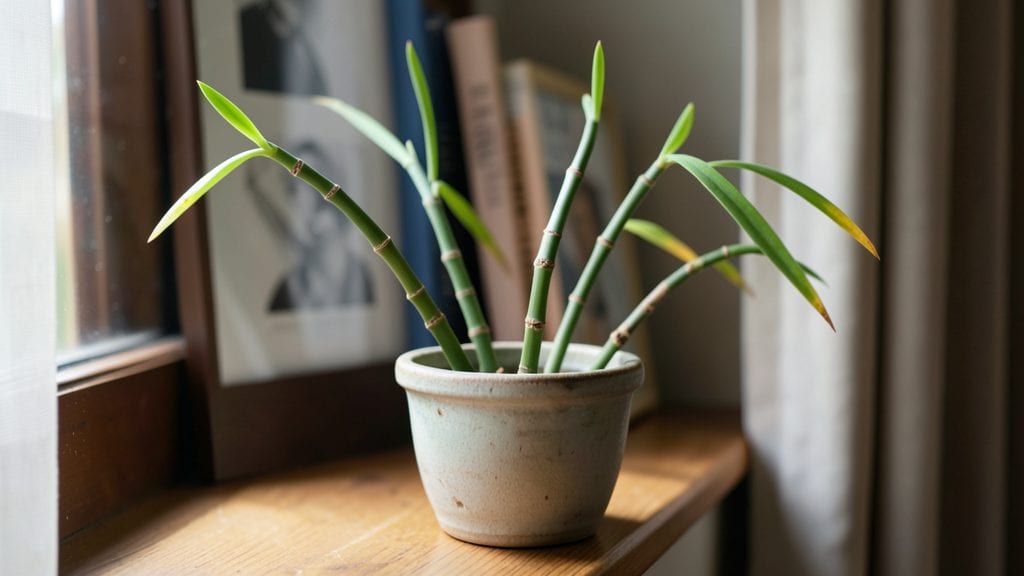
A bamboo garden in Chicago thrives best with cold-hardy varieties like Bambusa multiplex (Dwarf Bamboo) or Fargesia robusta (Robust Bamboo), which survive Zone 5 winters with proper mulching and drainage. Avoid invasive running bamboo; opt for clumping types instead.
A successful bamboo garden in Chicago hinges on selecting varieties that can handle the city's harsh winters, where temperatures often plunge below 0°F. 🌡️ The key is choosing clumping bamboo over running types, as their contained root systems prevent aggressive spreading while still delivering that lush, tropical look.
Chicago's Zone 5 climate demands extra care—like thick mulching and well-draining soil—to protect the rhizomes from freeze-thaw cycles that can crack the ground. I’ve found that Fargesia species, in particular, hold up beautifully even when snow blankets the garden for weeks.
Beyond hardiness, these bamboo types also play well with Chicago’s native plants, creating a harmonious landscape that thrives year-round. For example, pairing Robust Bamboo with oakleaf hydrangeas adds seasonal interest without competing for resources.
The secret lies in preparing the soil right—amending it with compost and ensuring proper drainage prevents waterlogged roots, which can be just as damaging as cold snaps. With the right setup, your bamboo garden can become a resilient, low-maintenance centerpiece that withstands Chicago’s toughest weather.
💡 In This Article
- Cold-Hardy Bamboo Varieties for Chicago’s Climate
- Designing a Low-Maintenance Bamboo Garden in Chicago
Cold-hardy bamboo varieties for Chicago’s climate
Chicago’s Zone 5 winters push temperatures to -10°F or lower, but certain bamboo species have evolved remarkable cold tolerance mechanisms. The key lies in their rhizome structure: clumping bamboo like Fargesia robusta stores nutrients in dense, insulated root clusters that resist freeze damage.
These rhizomes contain natural antifreeze proteins that prevent ice crystal formation in cell walls, similar to how some evergreens survive winter. 💫 The species’ ability to go dormant during extreme cold—where growth halts and metabolic activity slows—is what makes it viable in Chicago’s climate.
Let’s compare two top performers: Fargesia robusta (hardy to -10°F) and Bambusa multiplex (hardy to 10°F). Fargesia’s cold tolerance comes from its native habitat in the Himalayas, where it endures similar temperature swings. Its leaves curl tightly in winter, reducing surface area exposed to wind and frost.
Meanwhile, Bambusa multiplex, though less cold-hardy, thrives in Chicago’s summers and can recover if protected with 6-8 inches of mulch. The difference? Fargesia’s rhizomes can survive 30% lower temperatures than Bambusa’s due to thicker, waxier cuticles that slow moisture loss during freeze-thaw cycles.
Temperature fluctuations are bamboo’s biggest enemy in Chicago. Rapid shifts between daytime thawing and nighttime freezing cause soil expansion and contraction, which can crack rhizomes. This is why well-draining soil (amended with 30% compost) is critical—it prevents waterlogged roots from becoming ice-laden and brittle.
I’ve seen Fargesia recover from -15°F if the ground wasn’t saturated, proving that proper soil prep can extend hardiness by 5°F or more. 🌡️ The rhizomes’ insulation effect works best when surrounded by loose, airy soil that buffers temperature swings.
What most gardeners overlook is how wind exposure amplifies cold stress. Bamboo planted in open areas loses heat 30% faster than when sheltered by trees or fences. This is why microclimate selection matters—planting near south-facing walls or under deciduous trees (which drop leaves in winter) can add 5-10°F of protection.
For example, Fargesia nitida (hardy to -5°F) thrives in Chicago’s southeastern suburbs where winter winds are less severe, while Bambusa multiplex struggles in exposed northern areas like Lincoln Park.
Here’s how these varieties perform in real-world Chicago conditions:
- Fargesia robusta: Survives -10°F winters with no dieback if mulched; ideal for Zone 5b (Chicago’s classification).
- Bambusa multiplex: Tolerates 10°F but may lose 20-30% of leaves in harsh winters; best for Zone 6a or sheltered spots.
- Fargesia rufa: Hardy to -15°F with thick culms that resist wind damage—my top pick for exposed sites.
Pro tip: Test your bamboo’s hardiness by observing rhizome color in spring. Healthy rhizomes are creamy-white inside; brown or mushy spots indicate freeze damage. If you notice this, adjust your mulching (aim for 12 inches deepFargesia variety next time.
The science is clear—rhizome insulation and soil drainage are your best defenses against Chicago’s winter extremes. ✨