Companion Plants
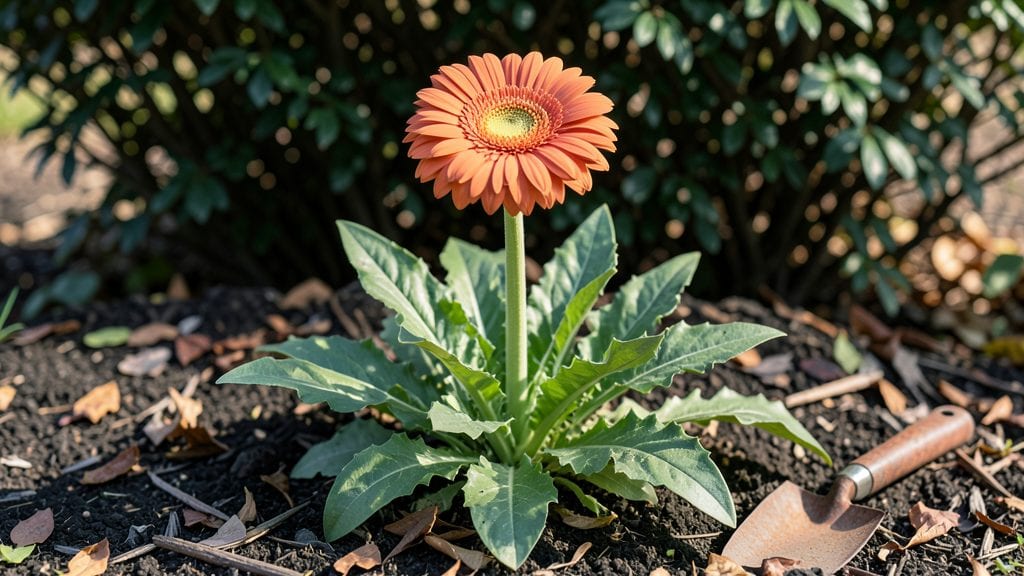
These gerbera garden plants bring that shockingly lush color to gardens—bright reds, oranges, and yellows that make every season feel like summer. 🌻 I’ve grown them for years, and the secret isn’t just their vibrancy but how they keep blooming if you give them the right conditions.
Most gardeners assume they’re high-maintenance, but with the right soil, light, and watering, they’re surprisingly resilient.
Start with well-draining soil mixed with compost—they hate soggy roots. Place them in full sun (6+ hours daily) and water at the base, not overhead, to keep those petals dry and pest-free.
A 5-gallon container works for patio gardens, while in-ground plants need space to spread about 12 inches apart. The key is consistency: too much water and they rot; too little, and they wilt faster than you’d think.
By midsummer, you’ll have nonstop blooms that last for weeks if you deadhead spent flowers. The fragrance isn’t overpowering but sweet enough to draw bees and butterflies—my garden becomes a pollinator magnet.
Even in winter (in zones 9-11), they’ll keep producing if you protect them from frost with a light cover.
Fair warning: slugs love them, so check leaves daily. But the payoff—bold, cheerful blooms that outlast most annuals—makes it worth the effort. Ready to add some serious color to your garden? Let’s get those daisies planted right.
📚 In This Guide
- What you need
- Instructions
- Tips and common mistakes
- Wrapping up and next steps
What you need
- ● Gerbera daisy plants: 6–12 mature plants (or seeds/bulbs if starting from scratch)
- ● Choose Gerbera jamesonii (most common) or Gerbera viridifolia for unique colors
- ● Soil: Well-draining potting mix or garden soil (amend with compost for fertility)
- ○ Optional: Perlite or sand (10–20% mix) for aeration
- ● Containers or garden bed: Containers: 6–8" diameter pots (1 plant per pot)
- ● Garden beds: Full sun (6+ hours/day) with loose, fertile soil
- ● Fertilizer: Balanced 10-10-10 or 20-20-20 liquid fertilizer (diluted to half-strength)
- ○ Slow-release granules (optional for long-term growth)
- ● Watering supplies: Watering can or hose with a gentle nozzle
- ○ Drip irrigation kit (optional for automated care)
- ● Mulch: Organic mulch (straw, shredded bark, or pine needles) to retain moisture
- ● Pruning shears (for deadheading spent blooms)
- ● Garden gloves (to protect hands from thorns)
- ● Plant stakes or cages (if stems need support)
- ● pH test kit (ideal soil pH: 6.0–7.0)
- ● Epsom salt (occasional magnesium boost for vibrant blooms)
Step-by-Step instructions for planting gerbera daisies in your garden
Here's how to establish vibrant gerbera daisies that reward you with bold blooms season after season.
🌱 Step 1: Prepare the Planting Site for Optimal Growth
Gerberas demand well-draining soil with a pH between 6.0 and 6.5—test your soil first. Work in 2-3 inches of compost into the top 12 inches of soil to improve fertility and drainage. These plants hate soggy roots, so if your soil compacts easily, mix in sand or perlite to create air pockets.
Choose a location with full sun exposure (at least 6-8 hours daily). Morning sun with afternoon shade works in hotter climates, but gerberas will fade without sufficient light. Clear any weeds or grass within a 2-foot radius—competition stresses young plants. I like to rake the area until the soil looks smooth and free of debris.
🪴 Step 2: Plant Gerbera Crowns at the Right Depth and Spacing
Dig holes twice as wide as the gerbera's root ball but only as deep as the top of the crown—burying too deep suffocates the plant. Space plants 12-18 inches apart for proper airflow, which prevents fungal diseases. The crown (where roots meet stems) should sit just above soil level—this ensures stability without rotting.
Gently loosen the roots if they're pot-bound, then place the gerbera in the hole. Fill around the base with native soil, pressing lightly to eliminate air pockets. Water deeply until moisture reaches 6 inches down—this helps settle the soil and removes any gaps. Avoid overwatering immediately; gerberas need time to establish roots before consistent moisture.
☀️ Step 3: Provide Consistent Water and Fertilizer for Continuous Blooms
Water gerberas deeply 1-2 times per week, aiming for 1 inch of moisture per week. Shallow watering encourages weak roots, so use a soaker hose or drip irrigation to deliver water at the base. Check soil moisture by digging 2 inches down—if it feels dry, it's time to water. Mulch with 2 inches of organic mulch (like shredded bark) to retain moisture and regulate soil temperature.
Feed plants every 4-6 weeks with a balanced, water-soluble fertilizer (10-10-10 ratio) during the growing season. Reduce feeding in late summer to encourage dormancy. Deadhead spent blooms weekly by snipping stems just above the next set of leaves—this redirects energy to new flowers. I always use clean, sharp shears to avoid spreading disease.
✂️ Step 4: Prune and Winterize for Long-Term Health
In late fall, cut back stems to 2-3 inches above the crown to promote new growth in spring. This also removes any dead or diseased foliage that could harbor pests. Gerberas are tender perennials in colder zones—if temperatures drop below 20°F, mound 4-6 inches of mulch around the base for insulation. In mild climates, they may bloom year-round with minimal care.
Divide mature gerberas every 2-3 years to rejuvenate plants. Dig up the clump in early spring, separate the crowns with a sterilized knife, and replant immediately. This prevents overcrowding and revitalizes flowering. I always replant divisions in the same spot—they establish faster and bloom sooner than new plants.
Tips & tricks for perfect gerbera daisy planting
Transforming your garden into a vibrant display of gerbera daisies requires more than just following the steps—it's about understanding the subtle details that make all the difference. Here's what I've learned from years of growing these stunning annuals.
Soil Science: The 6.0-6.5 pH range in Step 1 isn't just arbitrary—it's crucial for nutrient availability. I always test my soil before planting, and if it's outside this range, I'll amend it with elemental sulfur to lower the pH or lime to raise it. For the 2-3 inches of compost, I prefer well-aged compost that's been screened to remove large chunks. The key is creating that perfect balance where gerberas can access nutrients without becoming waterlogged.
Planting Precision: When you're planting those crowns in Step 2, pay special attention to the depth—burying too deep will suffocate your plants. I mark the crown level with a pencil before removing them from pots, so I always know exactly where to place them. For the 12-18 inch spacing, I use a simple measuring tape and mark the ground with small stakes to ensure even distribution. This spacing isn't just about looks; it's about airflow that prevents fungal diseases like powdery mildew.
Watering Wisdom: The 1-2 times per week watering schedule in Step 3 can be tricky in different climates. I've found that in hotter areas, you might need to water daily during peak summer months while still aiming for that 1 inch of moisture per week. The 2 inches of mulch is non-negotiable—it's like putting on a sweater for your plant's roots, keeping them at a consistent temperature and reducing evaporation. I always water in the morning so the foliage has time to dry before evening, which helps prevent fungal issues.
Winter Survival Strategy: That 20°F threshold in Step 4 is critical for winter care. I've seen gerberas survive in milder winters with just a light mulch, but when temperatures drop below 20°F, I go all out with the 4-6 inches of mulch. For extra protection, I'll even cover the plants with frost cloth on the coldest nights. This isn't just about keeping them alive—it's about ensuring they bounce back strong in spring with vibrant blooms.
Pro Tips for Gerbera Garden Plants
- Transforming your garden into a vibrant display of gerbera daisies requires more than just following the steps—it's a...
- Soil Science: The 6.0-6.5 pH range in Step 1 isn't just arbitrary—it's crucial for nutrient availability. I always te...
- Planting Precision: When you're planting those crowns in Step 2, pay special attention to the depth—burying too deep ...
Frequently asked questions
Got questions about growing gerbera daisies?
Here are answers to the most common ones—so you can enjoy vibrant blooms with confidence!
How often should I water gerbera daisies?
Water gerbera daisies deeply but infrequently—about 1-2 times per week, depending on your climate. Let the top 1-2 inches of soil dry out between waterings to prevent root rot. Morning watering works best, as it reduces fungal risks. Pro tip: Use a moisture meter for accuracy!
When is the best time to plant gerbera daisies?
Plant gerbera daisies in early spring or fall when temperatures are mild (60–75°F). Avoid extreme heat or frost—they’re tender perennials in cold climates. If growing from seeds, start indoors 8-10 weeks before the last frost for faster blooms.
Are gerbera daisies annuals or perennials?
Gerbera daisies are perennials in warm climates (USDA Zones 9-11) but often treated as annuals in colder regions. In cooler areas, replant them yearly or overwinter them indoors with bright light. Bonus: Deadheading spent blooms encourages nonstop summer-long flowers!
What pests or diseases should I watch for?
Common issues include aphids, spider mites, and powdery mildew. To prevent pests, space plants 12+ inches apart for airflow. Treat mildew with neem oil, and blast off aphids with a strong water spray. Yellow leaves? Often a sign of overwatering—adjust your schedule!
Can I grow gerbera daisies in containers?
Use a 5-7 gallon pot with drainage holes and well-draining soil. Choose a sunny spot (6+ hours of light) and repot every 2-3 years to refresh nutrients. Container tip: Add a slow-release fertilizer at planting for consistent blooms.
Wrapping up and next steps
Gerbera daisies bring vibrant color, easy care, and year-round charm to any garden—whether you're a seasoned gardener or just starting out! 🌸 Their bold blooms and companion-friendly nature make them a must-have for sunny spaces, while their low-maintenance needs ensure effortless beauty. Ready to transform your outdoor (or indoor!) oasis?
Your next step? Pick your favorite varieties, gather your supplies, and plant with confidence—your garden will thank you! 🌱💛 Jump back to the planting tips for a quick refresher or dive into pairing gerberas with companion plants for a showstopping display.