
Companion Plants
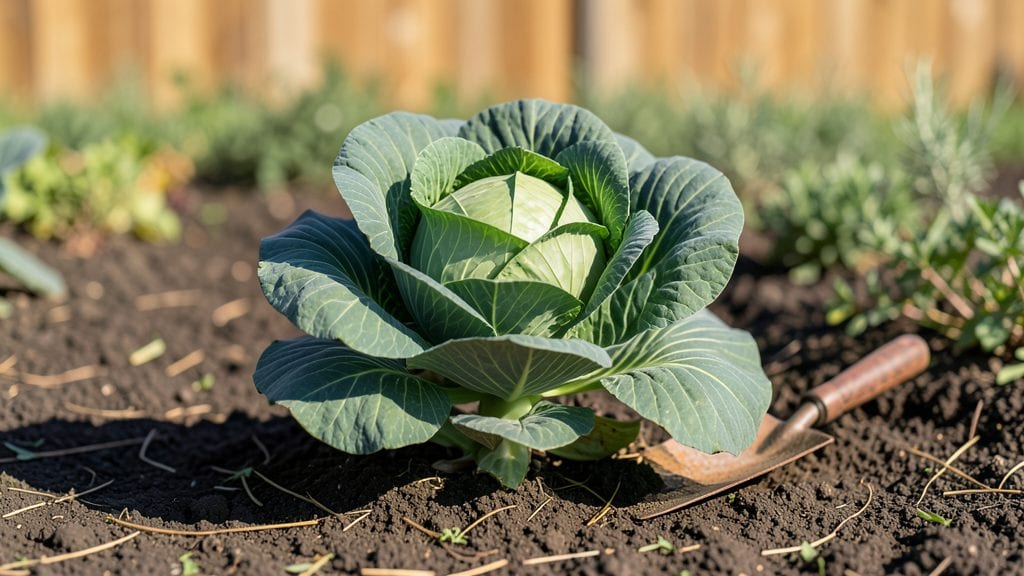
Growing garden cabbage plants has been my secret weapon for crammed urban plots—these cold-hardy workhorses produce heavy heads in spaces where other vegetables fail. The trick lies in their adaptability: they tolerate cooler temperatures, grow compactly, and even handle partial shade better than most brassicas.
My first attempt last spring proved it—six plants in a 3-foot square yielded enough for stir-fries all summer.
You’ll need rich, well-draining soil with a pH between 6.0 and 7.0, which you can achieve by mixing compost into your existing soil or using a high-quality potting mix. Cabbage thrives in full sun but can handle 4-6 hours of direct light if you’re working with limited space.
Start seeds indoors 4-6 weeks before your last frost, or buy sturdy transplants—just be sure to harden them off before planting.
Water consistently to keep the soil moist but not soggy, aiming for about 1-1.5 inches per week. Mulch around the base to retain moisture and suppress weeds, which is especially helpful in tight spaces where competition for nutrients is fierce.
You’ll notice sturdy stems and glossy leaves within weeks, signaling healthy growth ready for harvest.
These plants reward patience: harvest outer leaves as baby greens in 3-4 weeks, or let them mature for full heads in 70-90 days. The key is timing—pick when the head feels firm but before it starts to crack.
Even if space is limited, cabbage delivers reliable harvests with minimal fuss, making it the perfect addition to any garden, no matter how small.
📚 In This Guide
- What you need
- Instructions
- Tips and common mistakes
- Wrapping up and next steps
What you need
- ● Seeds or seedlings: Choose cold-hardy varieties like Brassica oleracea (e.g., 'January King' or 'Savoy'). Start with 4–6 plants for a small garden.
- ● Well-draining soil: Mix 1 part compost with 2 parts garden soil (pH 6.0–7.0). Avoid soggy soil!
- ● Sunlight: A spot with 4–6 hours of full sun daily (partial shade in hot climates).
- ● Watering can or hose: Keep soil consistently moist (1–1.5 inches per week).
- ● Organic fertilizer: Use a balanced 10-10-10 or compost tea every 3–4 weeks.
- ○ Mulch (optional but helpful): Spread 2–3 inches of straw or shredded leaves to retain moisture.
- ○ Support for heavy heads (optional): A small wooden stake or cage if cabbages grow top-heavy.
- ● Garden trowel or transplanting tool for planting seeds/seedlings.
- ● Pruners or scissors for trimming yellow leaves.
- ○ Gloves (optional) to protect hands from soil or pests.
- ● Row cover or frost cloth (if growing in USDA Zones 3–5).
Step-by-Step instructions for planting and growing garden cabbage
Here’s how to grow cold-hardy cabbage that thrives in small spaces with minimal fuss.
Prepare the Planting Site
Choose a location with full sun exposure—at least 6 hours of direct sunlight daily. Cabbage tolerates cooler temperatures, so early spring or late summer planting works well. Loosen the soil to a depth of 12 inches using a garden fork or tiller to improve drainage and root penetration.
Remove any weeds or debris from the area, as competition for nutrients will stunt your cabbage. If your soil is heavy clay or sandy, amend it with 2-3 inches of compost mixed into the top 6 inches of soil. This ensures your cabbage has the nutrients it needs to grow strong and healthy.
Plant Cabbage Seeds or Transplants
For direct sowing, plant seeds ¼ inch deep, spacing them 18-24 inches apart in rows 2 feet apart. If using transplants, set them in the ground at the same depth they were growing in their containers. Press the soil gently around the roots to eliminate air pockets, but avoid compacting it too tightly.
Water immediately after planting to settle the soil and encourage root contact. Keep the soil consistently moist—not soggy—for the first 2 weeks to help young plants establish. If planting in cooler weather, consider using a row cover to protect seedlings from frost and pests.
Maintain Soil Moisture and Fertility
Cabbage needs 1-1.5 inches of water per week, either from rainfall or irrigation. Water deeply at the base of the plant to encourage strong root growth. Avoid wetting the leaves, as this can lead to fungal diseases. Mulch around the base with 2-3 inches of straw or grass clippings to retain moisture and suppress weeds.
Fertilize lightly every 3-4 weeks with a balanced 10-10-10 fertilizer or compost tea. Too much nitrogen will produce leafy growth at the expense of the head. Watch for signs of nutrient deficiency, like yellowing leaves, which may indicate a need for additional fertilizer or organic matter.
Monitor for Pests and Diseases
Cabbage is susceptible to pests like cabbage worms and aphids. Inspect plants regularly, especially the undersides of leaves, for signs of damage. Handpick larger pests or use neem oil spray as a natural deterrent. If aphids appear, spray the plants with a soapy water solution (1 tablespoon mild soap per gallon of water).
Prevent diseases like clubroot by avoiding waterlogged soil and rotating crops annually. If you notice yellowing or stunted growth, check the roots for signs of infection. Remove affected plants immediately to prevent spread. Healthy cabbage should have firm, upright heads with no signs of rot or pest activity.
Harvest at Peak Maturity
Harvest cabbage when the heads are firm and reach 5-8 inches in diameter, typically 70-100 days after planting. Use a sharp knife to cut the head cleanly from the stem, leaving a few outer leaves intact. This prevents the remaining plant from bolting or flowering prematurely.
Store harvested cabbage in a cool, dark place with high humidity to extend freshness. Whole heads keep for 1-2 weeks, while chopped cabbage lasts 3-5 days in the refrigerator. For long-term storage, ferment or pickle cabbage to preserve it for months.
Tips & tricks for perfect garden cabbage growth
Growing garden cabbage doesn't have to be complicated—these practical tips will help you avoid common mistakes and maximize your harvest.
Soil Preparation Matters: In Step 1, when loosening soil to a depth of 12 inches, don't skip the compost amendment if your soil is heavy clay or sandy. I've seen cabbage plants struggle in compacted soil, but adding 2-3 inches of compost mixed into the top 6 inches makes all the difference. This creates ideal conditions for root development and nutrient uptake right from the start.
Planting Depth and Spacing: For direct sowing in Step 2, planting seeds just ¼ inch deep might seem shallow, but cabbage seeds need light to germinate properly. The 18-24 inch spacing between plants and 2 feet between rows might feel generous, but it prevents overcrowding that leads to smaller heads and increased disease risk. Trust me on this—tight spacing is the fastest way to disappointment.
Watering Wisdom: The instructions mention keeping soil consistently moist for the first 2 weeks, but I can't stress enough how important this is. Too much water leads to rot, while too little causes stunted growth. Aim for about 1-1.5 inches per week, delivered at the base of the plant. A simple rain gauge can help you track this accurately without guesswork.
Fertilizer Timing: When fertilizing every 3-4 weeks in Step 3, remember that cabbage is more sensitive to over-fertilization than many other vegetables. Stick to the 10-10-10 balanced fertilizer recommendation and watch for signs of excess nitrogen like excessive leafy growth at the expense of head formation. Less is often more with cabbage.
Pro Tips for Garden Cabbage Plants
- Growing garden cabbage doesn't have to be complicated—these practical tips will help you avoid common mistakes and maximize your harvest.
- Soil Preparation Matters: In Step 1, when loosening soil to a depth of 12 inches, don't skip the compost amendment if your soil is heavy clay or sandy.
- Planting Depth and Spacing: For direct sowing in Step 2, planting seeds just ¼ inch deep might seem shallow, but cabbage seeds need light to germinate properly.
Frequently asked questions
Got questions about growing garden cabbage plants? You’re not alone! Here are answers to the most common queries to help you cultivate healthy, thriving cabbages—even in tight spaces.
How long does it take for cabbage plants to mature?
Most garden cabbage varieties take 60–100 days to reach harvest size, depending on the type. Early varieties like ‘Golden Acre’ mature in about 60–70 days, while larger heads (e.g., ‘Hubbard’) may need 90–100 days. Check seed packets for exact timelines!
Can cabbage survive frost?
Cabbage is cold-hardy and can tolerate light frosts, especially when young. In fact, a light freeze can even sweeten the flavor. However, avoid heavy frost or prolonged cold snaps, which may damage leaves. Use row covers for extra protection if temperatures dip below 20°F (-7°C).
What’s the best companion plant for cabbage?
Cabbage thrives with companion plants like:
- Dill or celery: Deters pests like cabbage moths.
- Garlic or onions: Repels aphids and other insects.
- Spinach or lettuce: Shares space well in small gardens.
Why are my cabbage leaves turning yellow or holes?
Yellowing leaves or holes usually signal pests or disease. Common culprits:
- Cabbage worms: Remove by hand or use Bt (Bacillus thuringiensis) spray.
- Aphids: Blast off with water or introduce ladybugs.
- Clubroot disease: Improve drainage and rotate crops.
How much space do cabbage plants need?
Cabbage plants need 12–18 inches of space between each plant (or 24–36 inches for large varieties). In tight spaces, opt for bush varieties like ‘Golden Ball’ or grow them in containers (12+ inches deep). Thin seedlings early to avoid overcrowding!
Wrapping up and next steps
Growing garden cabbage plants is a rewarding way to enjoy fresh, homegrown produce—even in small spaces! 🌱 Whether you're a seasoned gardener or just starting out, these cold-hardy perennials offer versatility, nutrition, and ease of care.
With the right companion plants, soil prep, and a little patience, you’ll soon be harvesting crisp, flavorful heads for salads, stir-fries, or fermenting.
Ready to take the next step? Start small—plant a few cabbage seedlings this season and experiment with companion pairings like dill, onions, or thyme. Before you know it, your garden will be buzzing with life (and delicious results)! 🌿