
Watering
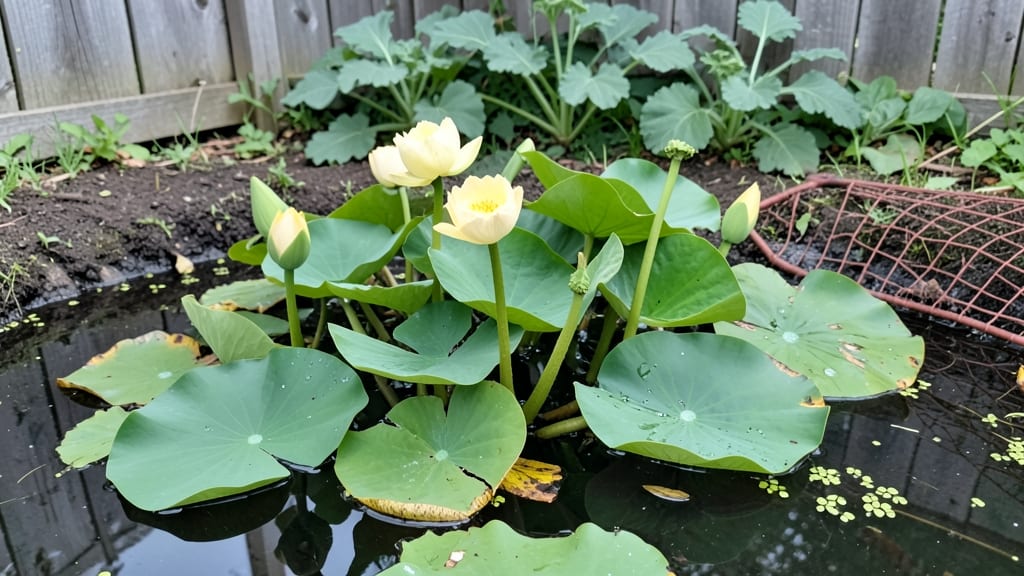
Creating a backyard water garden transforms your space into a tranquil retreat where the sound of flowing water replaces city noise. 🌿 I designed mine after years of watching birds and butterflies struggle to find water in our dry summers—now it’s a magnet for wildlife and a peaceful escape.
The key isn’t just the pond itself but how it blends with your existing garden, whether you go for a wild, natural look or a structured, formal design.
You’ll need a few essentials: a durable liner or preformed pond, a pump for circulation, and rocks or plants to anchor the design. My first attempt used too many sharp edges—now I focus on soft curves and layered plants like water lilies for shade and cattails for texture.
The best part? Maintenance stays simple once everything’s balanced, with just weekly leaf cleanup and occasional algae control.
Imagine stepping into your own oasis where dragonflies dart over the water and frogs sing at dusk. The right plants create privacy naturally, while the movement of water adds a soothing rhythm to your yard.
Even small spaces can fit a water feature—my neighbor’s 4x6-foot pond is just as magical as my larger one.
This project adapts to any climate, though tropical areas need shade-loving plants and colder zones require deeper ponds to prevent freezing. Start small if you’re unsure—my first pond was just 3 feet wide, and it still became the heart of our garden. Ready to begin?
📚 In This Guide
- What you need
- Instructions
- Tips and common mistakes
- Wrapping up and next steps
What you need
- ● Water Feature: 1 pond liner (EPDM rubber, 45-mil thickness, size based on pond dimensions)
- ● 1 preformed pond (or DIY pond kit with walls, 24–36" deep)
- ● Water Pump: 1 submersible pump (1,200–2,500 GPH for small ponds, 3,000+ GPH for larger setups)
- ● 1 waterfall kit (if adding a cascading feature)
- ○ Filtration: 1 UV clarifier (optional but recommended for algae control)
- ● 1 biological filter (e.g., sponge filter or media bed)
- ● Plumbing & Accessories: Flexible PVC pipes or tubing (½" diameter, 50+ ft)
- ● 1 check valve (to prevent backflow)
- ● 1 pond skimmer (for debris removal)
- ● Safety & Practicality: 1 pond net (for easy cleanup)
- ● 1 pond vacuum (for muck removal)
- ○ 1 solar-powered fountain (optional backup)
- ● Plants & Wildlife: Water lilies (3–5 plants for coverage)
- ● Marginal plants (e.g., horsetail, sweet flag)
- ● Submerged plants (e.g., anacharis, hornwort)
- ● Rocks & boulders (for natural aesthetics and habitat)
- ● Lighting & Ambiance: LED submersible lights (battery/solar-powered)
- ● Floating candles or solar-powered LED floats
- ● Automation: Timer for pump (to save energy)
- ● Water level sensor (for peace of mind)
Step-by-Step instructions for building your backyard water garden
Here's how to create a tranquil water feature that attracts wildlife and soothes your senses.
🪴 Step 1: Plan and Prepare the Site
Choose a level, partially shaded spot with easy access to water. Mark your design with stakes and string—most backyard water gardens fit in a 4×6-foot area for a balanced look. Remove grass and weeds down to bare soil, then loosen the top 6 inches with a shovel or rototiller. This ensures proper drainage and prevents waterlogging.
Test the slope by pouring water across the area—it should flow toward a low point naturally. If your yard is perfectly flat, create a slight grade with soil or sand to direct water flow. Sketch your design, noting where the waterfall, pond, and plants will go. I always leave 12-18 inches of space around the edges for maintenance access.
💧 Step 2: Install the Pond Liner and Base Layer
Lay a thick pond liner (at least 45 mil) over the prepared site, overlapping edges by 6 inches and burying the edges 6 inches deep around the perimeter. Smooth out wrinkles by adding sand or gravel underneath—this prevents punctures and creates a stable base. For a 4×6-foot pond, you’ll need about 30 square feet of liner.
Fill the liner with 2-3 inches of small gravel or pond sand to create a natural-looking base. This layer helps filter water and prevents direct contact between plants and liner. Use a level to ensure the base is even—uneven spots can cause water to pool in unwanted areas. Leave a 12-inch border of liner dry to secure it later with landscape edging.
☀️ Step 3: Add Water and Install the Pump System
Slowly fill the pond with water, adding it gradually to avoid displacing the liner. Use a submersible pump (rated for your pond’s size) placed near the deepest point. For a 4×6-foot garden, a 1,200-1,800 GPH pump works perfectly. Connect the pump to a flexible tubing and route it to your waterfall feature, securing it with aquatic-safe zip ties.
Test the flow before adding plants—adjust the tubing height to create a gentle cascade. If the waterfall is too forceful, reduce the pump’s output or add a flow restrictor. Aim for a steady, soothing trickle that mimics natural streams. Place a fine mesh screen over the pump intake to prevent debris from clogging it.
🌿 Step 4: Plant Aquatic and Marginal Species
Add floating plants like water lilies first—they shade the water, reducing algae growth. For a 4×6-foot pond, plant 3-5 lilies spaced evenly. Next, install marginal plants (like cattails or sweet flag) in the shallow edges where water is 1-3 inches deep. These thrive in moist soil and add texture to your design.
Place submerged plants (like anacharis or hornwort) in 12-18 inches of water—they oxygenate the pond naturally. Avoid overcrowding; give each plant 12-24 inches of space to grow. I like to arrange them in odd-numbered groups for a natural, balanced look. Water depth matters—most marginals need 2-6 inches of water, while deep-water plants handle 12+ inches.
✂️ Step 5: Add Rocks, Wildlife Features, and Final Touches
Surround the pond with flat river rocks or field stones to create a natural border. Arrange them in varying sizes for visual interest, leaving gaps for plants to peek through. Add a small bridge or stepping stones if space allows—these invite wildlife (and you!) to explore. For a wildlife haven, include a frog-friendly ledge (a flat rock at water level) and reed bundles for shelter.
Install a solar-powered fountain or bubbler for extra movement and oxygenation. Trim any overgrown plants monthly to keep the garden looking pristine. I also add a small floating dock (like a bamboo platform) where birds can perch safely. Finally, mulch the surrounding soil with 3 inches of gravel or bark to suppress weeds and retain moisture.
Tips & tricks for perfect backyard water garden
Creating a backyard water garden is all about the details—these small adjustments make a world of difference in how natural and inviting your oasis feels.
Site Selection Secret: In Step 1, when choosing your location, prioritize partial shade over full sun. Too much direct sunlight can lead to rapid algae growth and overheated water, which stresses aquatic plants. I found that areas with morning sun and afternoon shade strike the perfect balance for both plant health and water clarity. Trust me, this small adjustment saves hours of maintenance later!
Liner Protection: During Step 2, when installing your pond liner, take extra care to bury the edges at least 6 inches deep as instructed—but don't stop there. Add a 12-inch border of landscape fabric under the liner's buried edges. This extra layer prevents burrowing animals from digging up your liner and creates a more secure foundation. I learned this the hard way after watching a curious raccoon unearth my first attempt!
Pump Placement: For Step 3, when installing your pump system, position it near the pond's deepest point but leave room for maintenance access. I recommend placing it slightly off-center toward the waterfall side—this creates a more natural flow pattern and makes it easier to reach for cleaning. Also, consider adding a check valve to your tubing system to prevent water from draining back when the pump turns off, which maintains that soothing trickle you're aiming for.
Plant Spacing: In Step 4, when arranging your aquatic plants, remember that proper spacing is everything. The 12-24 inches spacing recommendation isn't just about aesthetics—it allows each plant to grow without competing for sunlight and nutrients. For marginal plants in 2-6 inches of water, leave about 18 inches between each plant to give them room to spread their roots. This creates a fuller, more natural look while preventing overcrowding that can lead to plant stress.
Pro Tips for Backyard Water Garden
- Creating a backyard water garden is all about the details—these small adjustments make a world of difference in how natural and inviting your oasis feels.
- Site Selection Secret: In Step 1, when choosing your location, prioritize partial shade over full sun.
- Liner Protection: During Step 2, when installing your pond liner, take extra care to bury the edges at least 6 inches deep as instructed—but don't stop there.
Frequently asked questions
Got questions about creating your own backyard water garden? You’re not alone! Here are some of the most common inquiries—plus straightforward answers to help you plan like a pro.
What’s the best time of year to install a backyard water garden?
Aim for spring or early fall when temperatures are mild and plants are easy to establish. Avoid extreme heat or cold—this gives aquatic plants and fish (if included) the best chance to thrive. If you’re in a warm climate, late winter/early spring works too!
How much maintenance does a water garden really require?
Less than you’d think! With a balanced ecosystem, maintenance mostly involves weekly debris removal, monthly water testing (for pH/algae), and seasonal pruning of plants. Fish (if added) help control algae naturally. Pro tip: Install a small pump/filter to cut down on manual work!
Can I add fish to my water garden, and what species are best?
Hardy, cold-hardy fish like koi, goldfish, or fathead minnows are great choices. Avoid tropical fish—they need heated water. Start with 1–2 fish per 10 square feet of surface area. Warning: Research local regulations first—some areas restrict fish species!
What if my water garden gets algae blooms? How do I fix it?
Algae thrives on excess nutrients (like fish waste or sunlight). Try these fixes:
- Reduce sunlight: Add floating plants (like water lilies) or install a partial shade cloth.
- Increase circulation: Upgrade your pump or add a fountain.
- Add barley straw: A natural algae inhibitor (available at garden centers).
- Limit fish: Overstocking = more waste = more algae.
Are there budget-friendly alternatives to a full waterfall setup?
Yes! Skip the elaborate waterfall and opt for:
- A pondless water feature (recirculating pump + rocks—no standing water).
- A bog garden (shallow, wetland-style plants like cattails or rushes).
- Preformed plastic or fiberglass ponds (cheaper than digging concrete).
Wrapping up and next steps
Creating your own backyard water garden is a rewarding journey that transforms your outdoor space into a tranquil haven—perfect for unwinding, attracting wildlife, and boosting your property’s charm. 🌿 Whether you’re drawn to the soothing sounds of a waterfall or the vibrant life of a koi pond, every step brings you closer to a serene escape.
Now that you’re equipped with the materials, tips, and answers to common questions, it’s time to roll up your sleeves and bring your vision to life!
Start small if needed—even a modest setup can make a big impact. Take the first step today: sketch your design, gather supplies, and watch your backyard bloom into a peaceful retreat. Happy building! 💦✨