Fertilization
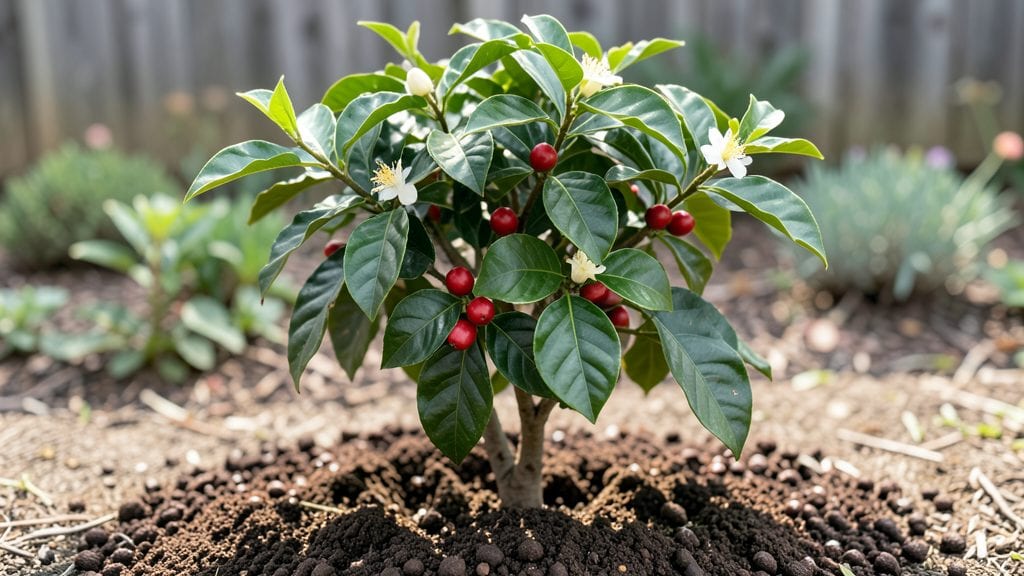
Using coffee grinds in your garden boosts soil fertility with natural nitrogen, repels pests like slugs and ants, and acts as a weed suppressor when used as mulch. Apply them sparingly to prevent over-acidifying the soil.
Coffee grinds are packed with nutrients like nitrogen, potassium, and phosphorus that feed plants over time while promoting beneficial microbial activity in the soil. 🌱 The caffeine in grounds acts as a natural pesticide, discouraging slugs and ants from invading your garden beds.
I've found that mixing them into compost piles speeds up decomposition, creating richer soil faster than traditional organic matter alone.
For best results, work fresh grounds into the top 1-2 inches of soil or use them as a mulch layer around plants. Just remember—too much can make the soil too acidic, so balance them with lime or wood ash if needed.
This simple garden hack turns kitchen waste into a powerhouse for plant growth!
💡 In This Article
- How Coffee Grounds Enhance Soil Health and Plant Growth
- Practical Ways to Apply Coffee Grounds for Weed Control and Pest Deterrence
How coffee grounds enhance soil health and plant growth
Coffee grinds contain a nutrient trifecta that makes them a gardener's secret weapon. They're rich in nitrogen (about 2% by weight), which fuels leafy growth, plus smaller amounts of potassium (0.5%) and phosphorus (0.2%) that support root development and flowering.
The grinds also provide trace minerals like magnesium and copper that many plants crave. What's fascinating is how these nutrients become available: unlike synthetic fertilizers that release all at once, coffee grinds break down slowly, providing a steady nutrient drip over 2-3 months.
The real magic happens underground where coffee grinds stimulate microbial activity. The grounds' coarse texture creates tiny air pockets that improve soil aeration while their slightly acidic nature (pH 6.2-6.8) encourages beneficial bacteria and fungi to thrive.
These microbes then break down the organic matter even further, creating a self-sustaining nutrient cycle. 🌱 Think of it like adding a probiotic to your garden's digestive system—it helps decompose other organic matter faster, turning yard waste into plant food more efficiently than traditional compost alone.
However, the pH impact varies dramatically by plant type. Acid-loving plants like blueberries and azaleas thrive with coffee grinds' slightly acidic profile, while vegetables prefer a more neutral soil.
The key is balance—mixing 1 part coffee grinds with 3 parts compost creates an ideal nutrient blend that won't over-acidify most garden beds. For alkaline-loving plants, simply mix in some wood ash (which raises pH) to neutralize the coffee's natural acidity.
When comparing to traditional compost, coffee grinds offer faster nutrient release but with less volume. A 1-cup serving of grinds provides roughly 1/4 cup of nitrogen equivalent to synthetic fertilizer, but takes longer to fully decompose. The trade-off?
Coffee grinds repel pests naturally while compost requires additional pest control measures. For container gardens, I've found that mixing 10% coffee grinds with potting soil creates a perfect microclimate that retains moisture while deterring fungus gnats.
The caffeine content (about 0.1-0.5% by weight) plays an unexpected role too. While too much can stunt growth, small amounts act as a natural fungicide and insect repellent.
This is why coffee grounds work so well against slugs and ants—the caffeine disrupts their nervous systems without harming plants. 💫 The best part? You're essentially turning kitchen waste into a multi-purpose soil amendment that improves fertility, suppresses weeds, and protects plants all at once.