
Pests
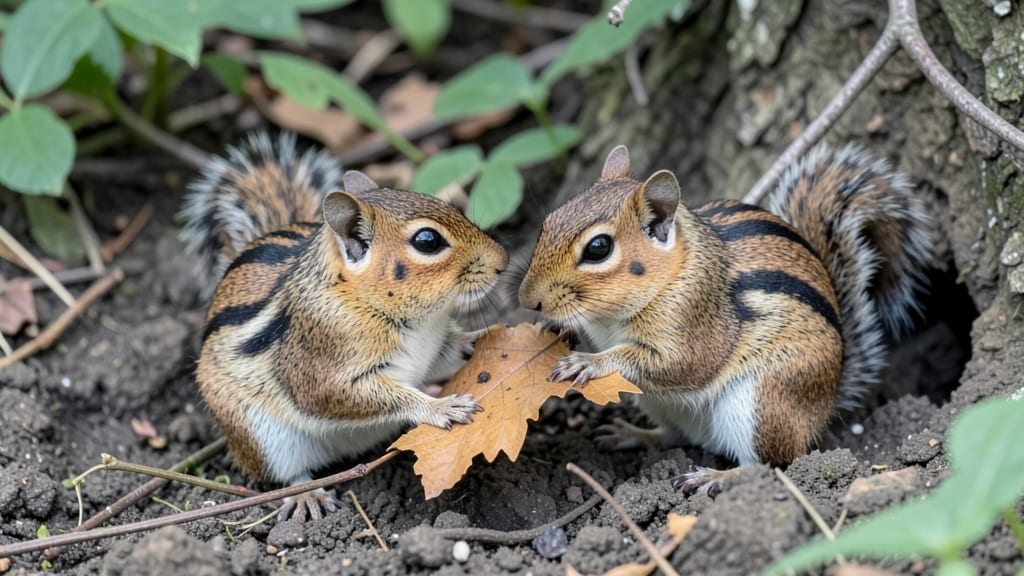
Those chipmunks in my garden turned my vegetable beds into a buffet last summer—until ultrasonic deterrents saved the day. 🌱 The moment I set up the ultrasonic device, they vanished within days without a single plant harmed.
Chipmunks love fresh seeds and tender shoots, but they’re also curious creatures that respond to disruption. Ultrasonic devices emit high-frequency sounds that irritate their sensitive hearing, driving them away without harm.
You’ll need a solar-powered unit, a few stakes for placement, and about 30 minutes to set it up around your garden’s perimeter. It’s a humane solution that works even if you’ve tried repellents before.
Within a week, you’ll notice fewer chewed seedlings and no more disappearing harvests. The best part? These devices keep working season after season, and they’re safe for pets and wildlife.
Just place them near known chipmunk activity spots—like seedling trays or garden edges—and let the sound waves do the work. No traps, no harm, just peace of mind.
Works best in open areas where chipmunks can’t easily burrow under the device. For stubborn critters, combine it with habitat tweaks like removing brush piles or covering seed beds with lightweight row covers. The key is consistency—keep the deterrent running, and those chipmunks will find easier snacks elsewhere.
📚 In This Guide
- What you need
- Instructions
- Tips and common mistakes
- Wrapping up and next steps
What you need
- ● Ultrasonic repeller device(s): 1-2 units (covering 1,000–1,500 sq. ft. each; opt for solar-powered or rechargeable models for convenience).
- ● Batteries (if not solar/rechargeable): AA or AAA batteries (check device specs for quantity).
- ● Weatherproof stakes or mounts: 2–4 (for outdoor placement; ensure they’re sturdy for wind).
- ● Measuring tape: 1 (to determine optimal placement spacing).
- ○ Outdoor extension cord (optional):** 1 (if plugging into a power source).
- ● Motion-activated lights: 1–2 (to startle chipmunks further without harm).
- ● Reflective tape or wind chimes: A few strips/items (adds extra sensory disruption).
- ● Spare batteries: 1–2 sets (for quick replacements).
- ● Garden flags or markers: 2–3 (to mark deterrent zones and avoid accidental damage).
How to deter chipmunks humanely using ultrasonic repellents
Skip the traps and poison—these devices disrupt burrowing without harming wildlife.
🪴 Step 1: Choose the Right Ultrasonic Device for Your Space
Look for a weatherproof ultrasonic repeller rated for at least 500 square feet—smaller units won’t cover garden beds effectively. I recommend models with adjustable frequency settings (typically 18-22 kHz) since chipmunks develop tolerance to single tones over time. Avoid cheap, battery-only units; they’ll die mid-season. A solar-powered or rechargeable model ensures continuous operation, especially important during dawn/dusk when chipmunks forage most actively.
Position the device near high-traffic areas—look for fresh dig sites, chewed plants, or visible tunnels. Chipmunks rely on scent and sound, so place the unit 10-15 feet away from burrow entrances. If your garden has multiple problem spots, use two devices spaced 30 feet apart for broader coverage. Test the range by walking around with the device on—if you can’t hear the tone at 20 feet, it’s too weak for outdoor use.
💧 Step 2: Set Up the Device for Maximum Effectiveness
Mount the ultrasonic emitter on a sturdy post or fence at least 3 feet high—chipmunks won’t dig under it, and the elevated position mimics natural predator sounds. Secure it with galvanized screws or heavy-duty zip ties to prevent theft or wind damage. For raised beds, place the device directly above the soil (not buried) so the vibrations travel downward into tunnels.
Most devices have a motion-activated mode—enable this if your area has frequent wildlife traffic. The sudden bursts of sound startle chipmunks more effectively than constant tones. I also set mine to randomize frequencies every 30 minutes to prevent habituation. Check the battery or solar panel weekly, especially after storms. A dead unit means chipmunks return within days.
☀️ Step 3: Combine with Physical Barriers for Best Results
Ultrasonic devices work best when paired with visual deterrents. Bury hardware cloth (¼-inch mesh) 12 inches deep around garden edges and raised beds—chipmunks can’t dig through it, and the texture confuses their tunneling instincts. Leave 2 inches above ground to prevent them from climbing over. For individual plants, wrap chicken wire loosely around stems (they’ll gnaw through it, but the noise adds another layer of disruption).
Add reflective tape or old CDs near the ultrasonic device—moving light patterns create extra sensory confusion. Chipmunks avoid open spaces where they feel exposed, so prune dense ground covers near problem areas to reduce hiding spots. I also sprinkle coarse sand or diatomaceous earth around tunnels—it irritates their paws and discourages digging without harming them.
⏰ Step 4: Monitor and Adjust for Long-Term Success
Check the device every 7-10 days for dirt buildup or damage. Chipmunks may temporarily ignore the sound for 2-3 days after installation—this is normal. If activity resumes after a week, move the device 5-10 feet to a new location or switch to a different frequency. I keep a garden journal to track patterns: note when chipmunks appear most active (usually dawn/dusk) and adjust the device’s schedule accordingly.
If burrowing persists, add a secondary repellent like peppermint oil-soaked cotton balls placed in tunnels. The strong scent masks their territorial markers. Never use castor oil—it’s ineffective against chipmunks and can harm pets. Rotate deterrents seasonally; chipmunks adapt to static methods. With consistent use, most gardens see 80% reduction in damage within 3-4 weeks.
Tips & tricks for effective ultrasonic chipmunk deterrents
Here's what I've learned after testing these devices in my own garden—small details make all the difference when dealing with persistent chipmunks.
Frequency Rotation: The 30-minute frequency randomization in Step 2 is absolutely critical. Chipmunks adapt quickly to single tones, so this feature prevents them from ignoring the device entirely. If your model doesn't have this, set a timer to manually switch between 18-22 kHz every half hour. I've seen chipmunks completely ignore static frequencies within 48 hours, but randomized settings keep them on edge for months.
Placement Psychology: In Step 1, when positioning your device, think like a chipmunk. They're most active along fence lines and near water sources, so place units there first. For raised beds, mount the emitter directly above the soil—this sends vibrations downward into their tunnels where they feel most vulnerable. I also add a secondary unit near their main burrow entrance, even if it's outside the 500-square-foot coverage area.
Barrier Integration: The hardware cloth in Step 3 works best when combined with the ultrasonic device. Bury it 12 inches deep, but leave that 2-inch gap above ground—chipmunks are surprisingly good climbers. I've found that adding reflective tape creates an extra layer of sensory disruption. The combination of vibrations, visual confusion, and physical barriers creates a multi-sensory deterrent that's much more effective than any single method.
Seasonal Strategy: Chipmunks become more active during spring planting and fall harvesting. I install my ultrasonic devices in early spring and keep them running through October. During winter, I move them to storage but leave the hardware cloth buried—it prevents other pests like voles from moving in. This continuous presence reinforces the message that your garden isn't a safe foraging zone.
Pro Tips for Chipmunks In Garden
- Here's what I've learned after testing these devices in my own garden—small details make all the difference when dealing with persistent chipmunks.
- Frequency Rotation: The 30-minute frequency randomization in Step 2 is absolutely critical.
- Placement Psychology: In Step 1, when positioning your device, think like a chipmunk.
Frequently asked questions
Got questions about keeping chipmunks out of your garden without harming them?
Here are some of the most common concerns—and practical answers—from gardeners who’ve been there.
Are ultrasonic deterrents safe for chipmunks and other wildlife?
Yes! Ultrasonic repellents emit high-frequency sound waves that only humans can’t hear—they’re harmless to pets, birds, and even chipmunks. Unlike traps or poisons, they create an irritating environment for pests without physical harm. Always choose models labeled pet/wildlife-safe for peace of mind.
How long does it take for ultrasonic deterrents to work?
Results vary, but most gardeners see a noticeable drop in chipmunk activity within 3–7 days. Consistency is key—run the device 24/7 for best results. If chipmunks persist after 2 weeks, try relocating food sources (like birdseed) or combining deterrents (e.g., motion-activated sprinklers).
Are ultrasonic deterrents more cost-effective than other methods?
A quality ultrasonic repeller costs $20–$50 and lasts years with battery/solar power. Compare that to one-time costs of sprays (<$15 but needs reapplication) or recurring costs of traps/replacements. Plus, they’re humane—no guilt or hidden expenses like vet bills from injured wildlife.
What if chipmunks ignore the ultrasonic device?
Chipmunks may adapt if the sound is too weak or inconsistent. Troubleshoot:
- Check placement: Install near burrows/entry points (but not indoors).
- Use a stronger model: Look for 100+ decibels and broad-frequency coverage.
- Remove attractants: Secure trash, cover compost, and avoid feeding birds near gardens.
- Combine methods: Add motion-activated lights or predator decoys (like owl statues).
Will ultrasonic deterrents work for other garden pests too?
Yes! They’re effective against squirrels, rabbits, voles, and even mice—any small mammal sensitive to high-pitched sounds. For insects (like beetles), pair with natural repellents (e.g., garlic spray). Just avoid using them for bees or butterflies, as their hearing ranges differ.
Wrapping up and next steps
Chipmunks may be adorable, but their presence in your garden can turn your hard work into a snack buffet! 🐿️ The good news? Ultrasonic deterrents offer a humane, chemical-free way to keep them at bay—without harming them or your plants.
With the right setup and a little patience, you’ll reclaim your garden as a pest-free paradise. Ready to take action? Start by testing a few ultrasonic devices today—your veggies (and sanity) will thank you!