
Tools
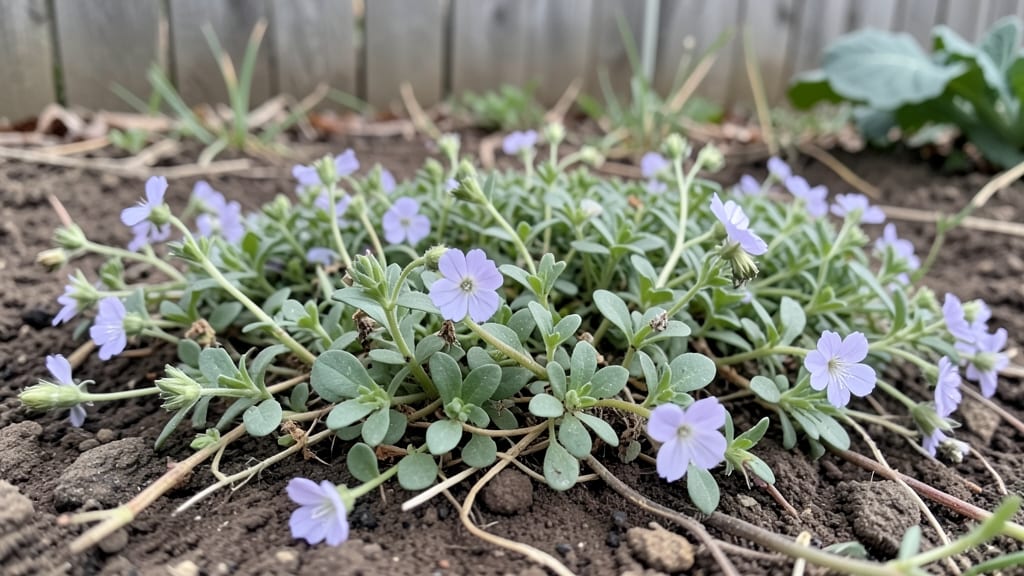
Sweet-smelling alyssum in garden spaces transforms any yard into a fragrant haven that hums with pollinators year-round. 🌿 I’ve used it to soften edges, fill gaps, and create living carpets of color that never quit—even when other plants take a winter nap.
The secret lies in its versatility: it thrives in sun or partial shade, pairs beautifully with almost anything, and blooms from spring until frost bites.
For design, think layers: tuck it along walkways for a delicate border, mix it with violas for a cottage-garden look, or let it spill over container edges for instant charm. Spacing is key—plant in clusters of 3-5 every 6-8 inches to create that lush, carpeted effect without gaps.
It plays well with roses, lavender, and even veggie patches, repelling pests while attracting bees. The payoff? A garden that smells like honey on warm days and stays vibrant when others fade.
Alyssum’s tiny white, pink, or purple flowers turn heads, and its ability to self-seed means you’ll have new volunteers popping up next season. Perfect for pollinator gardens, modern borders, or wildflower meadows—it’s the ultimate low-maintenance star.
Here’s how to weave it into your space without overthinking: start small, play with colors, and let it do the work. Your garden will thank you.
📚 In This Guide
- What you need
- Instructions
- Tips and common mistakes
- Wrapping up and next steps
What you need
- ● Alyssum seeds or seedlings: Choose between Sweet Alyssum (Lobularia maritima) or Rock Alyssum (Aurinia saxatilis)—both are easy to grow!
- ● Quantity: ~10–20 seeds per square foot (or 1–2 seedlings per 6-inch gap).
- ● Well-draining potting soil: 1–2 bags (10–20 quarts) of organic, lightweight soil mix (amend with perlite or sand if your soil is heavy).
- ○ Optional: Add a slow-release fertilizer (5–10–5 NPK ratio) for extra nutrients.
- ● Containers or garden beds: For containers: 6–8" pots with drainage holes (1–2 plants per pot).
- ● For in-ground: Full sun to partial shade, with well-prepared soil (remove weeds/rocks).
- ● Garden trowel or hand shovel (for planting seeds/seedlings).
- ● Watering can or hose with a gentle spray nozzle (keep soil moist but not soggy!).
- ○ Mulch (optional): 1–2 bags of straw or shredded bark mulch (to retain moisture and suppress weeds).
- ○ Pruning shears (optional): For trimming spent blooms to encourage more flowers.
- ● 🌤️ Sunlight: 6+ hours of direct sun daily (partial shade in hot climates).
- ● 💧 Watering: Consistent moisture (especially for seeds); drought-tolerant once established.
- ● 🌿 Spacing: 6–12 inches apart (check seed packet for variety-specific needs).
- ● 🚫 Avoid: Heavy clay soil or waterlogged areas (alyssum hates "wet feet"!).
How to plant and maintain alyssum for year-round fragrance
This cheerful groundcover is the secret to low-maintenance beauty—here’s how to make it thrive.
🌱 Step 1: Choose the Right Location and Soil
Alyssum loves full sun and well-draining soil, so pick a spot that gets at least 6 hours of sunlight daily. If your garden has heavy clay soil, mix in a layer of coarse sand or perlite to improve drainage—this plant hates soggy roots. I like to plant mine along borders, in rock gardens, or as edging where it can spill over containers.
Before planting, loosen the top 6 inches of soil with a garden fork to help roots establish. Alyssum tolerates poor soil but grows best in slightly alkaline conditions (pH 6.0-7.0). A light sprinkle of bone meal at planting time gives it a phosphorus boost for strong root development.
🌿 Step 2: Plant Seeds or Transplants Correctly
For seeds, sow them directly in the garden after the last frost date when soil temperatures reach at least 60°F. Press them just 1/8 inch deep—they need light to germinate, so don’t bury them too deeply. Space seeds 12 inches apart for single plants or 6 inches apart if you want a dense groundcover effect.
If using transplants, dig holes twice as wide as the root ball and place them at the same depth they were in their pots. Water thoroughly after planting to settle the soil around the roots. You’ll see tiny leaves emerge within 10-14 days—that’s your signal everything’s working.
💧 Step 3: Water and Fertilize for Healthy Growth
Water alyssum deeply once a week during its first month, then reduce to every 10-14 days once established. It’s drought-tolerant, so don’t overwater—soggy soil causes root rot. I check moisture by sticking my finger 1 inch into the soil; if it feels dry, that’s when to water.
Feed lightly with a balanced 10-10-10 fertilizer every 4-6 weeks during spring and summer. Too much fertilizer makes alyssum grow leggy and lose its compact shape. Deadhead spent flowers regularly to encourage continuous blooming—just pinch off the faded clusters with your fingers.
✂️ Step 4: Prune and Maintain for Year-Round Beauty
After the first frost, cut back stems to 2-3 inches tall to promote fresh growth in spring. This also prevents woody stems from developing. Alyssum is self-seeding, so you’ll often find new plants popping up in spring—just thin them out to maintain your desired spacing.
In late winter, give the bed a light raking to remove debris and aerate the soil. Alyssum’s fragrance intensifies in cooler weather, making it perfect for fall and winter interest. If you notice yellowing leaves, it’s usually a sign of overwatering or poor drainage—adjust your care routine accordingly.
☀️ Step 5: Protect and Extend the Blooming Season
To keep alyssum blooming all season, mulch lightly with 1 inch of shredded bark to retain moisture and regulate soil temperature. This also suppresses weeds, which compete for nutrients. Alyssum attracts pollinators like bees and butterflies, so avoid pesticides—let nature do the work.
If your winters are harsh, cover plants with a lightweight frost cloth when temperatures drop below 20°F. Most varieties are perennial in USDA zones 7-10, but even in colder climates, they’ll often reseed themselves reliably. With minimal care, your alyssum will reward you with sweet-smelling blooms from spring until frost.
Tips & tricks for perfect alyssum planting and maintenance
Want your alyssum to thrive with minimal fuss? These practical tips will help you avoid common pitfalls and maximize its sweet fragrance all season long.
Soil Preparation Secret: In Step 1, don't just loosen the top 6 inches of soil—add a handful of coarse sand or perlite to the bottom of planting holes if your native soil is dense. This creates instant drainage channels that prevent root rot, especially important since alyssum hates soggy conditions. I've seen plants in heavy clay soil struggle until I made this simple adjustment.
Timing is Everything: Wait until soil temperatures reach at least 60°F before planting seeds in Step 2—this prevents chilly soil from delaying germination. I test by sticking my finger in the soil; if it feels warm to the touch (like a summer day), it's ready. For transplants, morning hours are ideal to give roots time to settle before afternoon heat.
Watering Wisdom: The once-a-week watering schedule in Step 3 works best with deep watering—aim for about 1 inch of water per week during the first month. I use a rain gauge to measure, and always water at the base of plants rather than overhead to prevent fungal issues. Mulching with 1 inch of shredded bark (as mentioned in Step 5) helps maintain even moisture levels.
Frost Protection: When temperatures drop below 20°F in Step 5, use frost cloth instead of heavy blankets—it allows sunlight to penetrate while providing protection. I've found that removing the cloth during sunny winter days actually helps prevent frost burn on tender new growth in spring.
Pro Tips for Alyssum In Garden
- Want your alyssum to thrive with minimal fuss?
- Soil Preparation Secret: In Step 1, don't just loosen the top 6 inches of soil—add a handful of coarse sand or perlite to the bottom of planting holes if your native soil is dense.
- Timing is Everything: Wait until soil temperatures reach at least 60°F before planting seeds in Step 2—this prevents chilly soil from delaying germination.
Frequently asked questions
Got questions about growing alyssum in your garden?
Here are some of the most common ones—and their answers—to help you cultivate this fragrant, low-maintenance groundcover with confidence!
When is the best time to plant alyssum?
Alyssum thrives in cool weather, so plant it in early spring (after the last frost) or late summer to early fall. For year-round blooms, stagger plantings every 4–6 weeks. If you live in a mild climate, you can even plant it in winter for early spring color!
How often should I water alyssum?
Alyssum is drought-tolerant once established, but keep soil evenly moist (not soggy) for the first 2–3 weeks after planting. After that, water 1–2 times per week, depending on your climate. Pro tip: Water at the base to avoid wetting the leaves, which can cause fungal issues.
Why isn’t my alyssum attracting bees or butterflies?
Alyssum’s sweet fragrance usually draws pollinators, but if they’re scarce, check these fixes:
- Timing: Bees love alyssum in morning sun (before it gets too hot).
- Variety: Try Sweet Alyssum (more fragrant) or Tumbling Alyssum (longer blooms).
- Pesticides: Avoid harsh chemicals—alyssum is bee-friendly and safe for pollinators!
Can I grow alyssum in containers or hanging baskets?
Alyssum is perfect for containers—its trailing habit spills beautifully over edges. Use a well-draining potting mix and pair it with other low-growing plants like petunias or calibrachoa. Just ensure the container has drainage holes to prevent root rot.
Will alyssum survive winter in cold climates?
Most alyssum varieties are annuals, but Sweet Alyssum (annual) and Golden Alyssum (perennial in zones 5–9) can handle light frost. For extra protection, mulch with straw or shredded leaves in winter. If your winters are harsh, replant in early spring for fresh blooms!
What’s a good alternative if alyssum doesn’t thrive in my garden?
If your soil is too alkaline (alyssum prefers neutral to slightly acidic), try these fragrant, low-growing alternatives:
Wrapping up and next steps
Incorporating alyssum into your garden is a fragrant, low-maintenance way to add beauty and charm year-round! 🌿 Whether you love its sweet scent, pollinator-friendly appeal, or drought-resistant nature, this versatile groundcover is a game-changer for any outdoor space.
Start small—plant a few patches in sunny spots—and watch your garden transform into a blooming, buzzing paradise.
Ready to take the next step? Experiment with colors, pair it with complementary plants, or even grow it in containers for a pop of fragrance on patios. Your garden (and pollinators!) will thank you.