
Vegetables
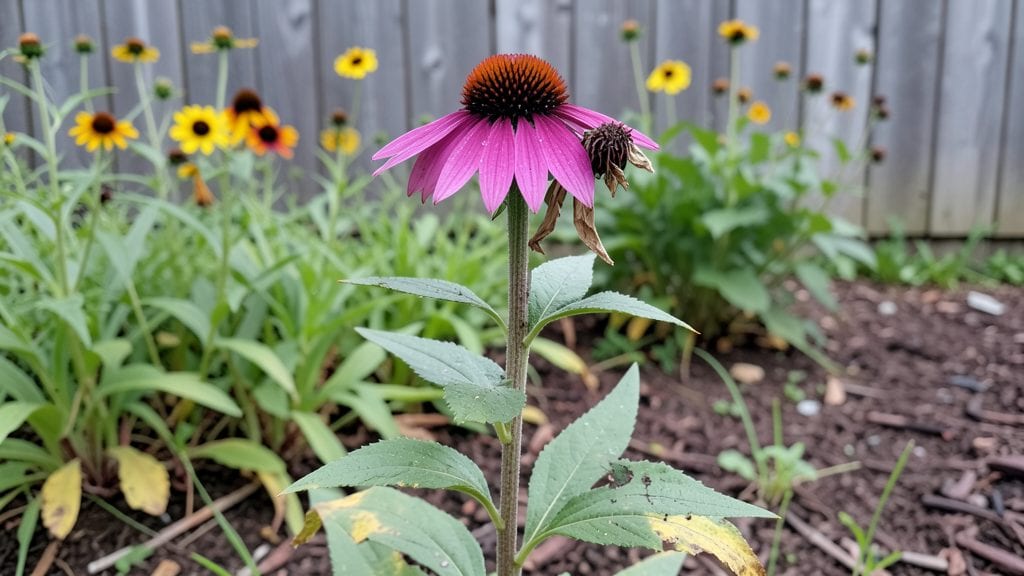
My wild earth gardens thrive with almost no work from me—just a few strategic layers of native plants that feed pollinators year-round. 🌿 The secret isn’t perfection; it’s letting nature take the lead while you provide the right stage.
I swapped my manicured beds for drifts of milkweed, goldenrod, and switchgrass, and suddenly bees, butterflies, and hummingbirds moved in permanently.
This approach works for any yard size, from a postage-stamp city lot to an acre of countryside. You’ll need seeds or plugs of native perennials, a few hours to scatter them, and the patience to let them establish.
The payoff? A garden that stays lush through droughts, blooms from spring to frost, and requires only occasional weeding—not mowing, not fertilizing, not fussing.
By summer’s end, you’ll have a buzzing, blooming oasis that outshines any conventional garden. The air hums with wings instead of lawnmowers, and the soil stays rich without a single bag of compost. It’s not just pretty—it’s a working ecosystem that supports life while you relax.
Perfect for gardeners tired of high-maintenance landscapes or those who want to make a real difference for wildlife. Let’s design something that gives back more than it takes.
📚 In This Guide
- What you need
- Instructions
- Tips and common mistakes
- Wrapping up and next steps
What you need
- ● Native plants: 15–20 varieties (mix of perennials, shrubs, and grasses). Focus on pollinator favorites like milkweed, coneflowers, and goldenrod. Pro tip: Buy locally sourced seeds or seedlings to support biodiversity! 🌍
- ● Soil: 5–10 bags of well-draining, organic-rich soil (e.g., compost + topsoil blend). Test your soil’s pH—aim for 6.0–7.0 for most pollinators.
- ● Mulch: 2–3 cubic yards of wood chips or straw to retain moisture and suppress weeds.
- ○ Watering system: Drip irrigation kit or soaker hoses (optional but highly recommended for drought-prone areas).
- ● Gardening tools: 1 trowel
- ● 1 pruning shears
- ● 1 rake
- ● 1 wheelbarrow (for hauling soil/mulch)
- ● 1 pair of gloves (waterproof + heavy-duty)
- ○ Optional tech: Soil moisture meter (to track hydration)
- ● Pollinator-friendly solar lights (for evening beauty)
- ● Sunlight access: At least 6 hours/day for most pollinator plants (check specific needs for shade-loving varieties).
- ● Space: Minimum 4’x4’ plot (scalable to your space!).
- ● Local knowledge: Research invasive species in your area—avoid them like the plague! 🚫
- ● Patience: Wild gardens thrive on time—give plants 1–2 seasons to establish.
Instructions for designing a pollinator-focused wild earth garden
Here's how to create a thriving ecosystem that supports bees, butterflies, and birds all year long.
🌱 Step 1: Map Your Sunlight and Microclimates
Start by observing your space for at least a week. Note which areas receive full sun (6+ hours), partial shade (3-5 hours), and deep shade (less than 3 hours). I sketch my yard with these zones marked—this ensures I place sun-loving milkweed where it will thrive and shade-tolerant ferns where they won't scorch. Pollinators need both sun and shelter, so aim for a mix of all three zones in your design.
Next, identify microclimates—spots where temperature or moisture differs from the rest of the yard. South-facing slopes stay warmer, while north-facing areas remain cooler. These variations let you introduce plants from different regions, creating a more resilient ecosystem. For example, I plant bee balm on the warm slope and wild bergamot in the cooler corner—they both attract hummingbirds but prefer slightly different conditions.
🌿 Step 2: Layer Plants for Seasonal Interest
Begin with a tall backbone layer of native trees like serviceberry or oak—these provide year-round structure and late-season berries for birds. I always plant these first, spacing them 15-20 feet apart to mimic natural woodlands. Next, add a mid-height shrub layer with pollinator magnets like elderberry or spicebush, which bloom early and offer berries later. These should be 6-10 feet tall at maturity.
For the ground layer, mix perennials that bloom at different times: early spring with bloodroot, summer with black-eyed Susan, and fall with goldenrod. I intersperse these with grasses like little bluestem for texture and seed heads that feed birds in winter. The key is ensuring no bare soil—this prevents erosion and encourages beneficial insects to stay.
💧 Step 3: Install Irrigation for Drought Resilience
Wild gardens need consistent moisture during establishment, but once mature, most native plants thrive on rainfall alone. I install a drip irrigation system with emitters spaced 12-18 inches apart, delivering water slowly at the soil level. This mimics natural rain and reduces evaporation. Set timers for 15-20 minutes daily during the first growing season, then taper off as plants develop deep roots.
Mulch heavily with 3-4 inches of wood chips to retain moisture and suppress weeds. I always leave a 2-inch gap between mulch and plant stems to prevent rot. Over time, this mulch breaks down, adding organic matter to the soil and creating a sponge-like environment that holds water during dry spells. The result? Plants that survive droughts and still support pollinators year-round.
✂️ Step 4: Maintain With Minimal Intervention
Once established, wild gardens require very little maintenance. I focus on three key tasks annually: deadheading spent blooms to encourage reblooming, removing invasive species before they spread, and pruning shrubs in late winter to maintain shape. The goal is to mimic natural disturbances—like a light fire or grazing—that keep ecosystems healthy. I never use herbicides, as they harm the very pollinators the garden is designed to support.
Watch for signs of stress: yellowing leaves often mean overwatering, while crispy edges signal drought. Adjust your care based on what you observe. For example, if milkweed leaves curl in summer, it’s thirsty—give it a deep watering. If goldenrod flops over, it needs staking. These small adjustments keep the garden thriving with almost no effort after the first year.
🪴 Step 5: Expand With Native Seed Sources
To ensure long-term success, source seeds and plants from local native nurseries or collect them from wild areas in your region. I always save seeds from my best-performing plants—like the purple coneflower that attracts monarchs—and share them with neighbors to spread genetic diversity. Avoid non-native species, even if they’re pretty; they often don’t support local pollinators and can become invasive.
Plant in clusters of 3-5 plants to create visual impact and provide enough nectar for pollinators. For example, a group of wild bergamot will attract more bees than a single plant. Over time, these clusters will multiply naturally, filling in gaps and creating a self-sustaining ecosystem. The more you plant, the more pollinators will visit—and the more beautiful your garden becomes each year.
Tips & tricks for perfect wild earth gardens
Creating a thriving pollinator garden isn't just about planting—it's about designing a dynamic ecosystem that evolves with the seasons. Here's how to elevate your wild earth garden from good to extraordinary.
Layering Strategy: When establishing your three-layer structure (trees, shrubs, ground cover), I recommend staggering planting times by season. Start with your tall backbone trees in early spring when roots can establish before summer heat, then add shrubs in late spring, and finally ground covers in early fall. This staggered approach mimics natural succession and gives each layer time to settle before competing for resources. The result? A garden that looks intentional from day one and thrives for decades.
Microclimate Mastery: Your week-long observation period in Step 1 is crucial, but don't stop there. I keep a simple notebook where I track temperature variations throughout the year. Note which microclimates stay warmer into fall (great for late-season bloomers like asters) and which remain cooler in summer (ideal for moisture-loving plants). This data lets you introduce species from different climate zones—like planting wild bergamot in cooler corners where it might struggle in full sun. The key is creating diversity within your microclimates rather than treating them as uniform zones.
Irrigation Intelligence: That 15-20 minute daily watering during establishment might seem excessive, but here's the secret: split those sessions into two 10-minute intervals—once in the morning and once in the evening. This mimics natural rainfall patterns and prevents fungal issues that come from keeping foliage wet overnight. After the first year, most native plants will need little supplemental water, but I always keep my drip system connected to a rain gauge. If we get 1 inch of rain in a week, I turn it off completely—overwatering is just as damaging as underwatering for these drought-adapted species.
Seasonal Succession Planning: To keep your garden buzzing year-round, I create a simple bloom calendar. Start with early spring ephemerals like bloodroot, then plan for summer staples like black-eyed Susan, and finish with fall favorites like goldenrod. The trick is ensuring each plant has a successor—when your bee balm finishes blooming in early fall, your asters should be just beginning. I even plant winter interest plants like ornamental grasses and seed heads to provide structure when everything else is dormant. This layered approach ensures pollinators always have food sources available, no matter the season.
Pro Tips for Wild Earth Gardens
- Creating a thriving pollinator garden isn't just about planting—it's about designing a dynamic ecosystem that evolves with the seasons.
- Layering Strategy: When establishing your three-layer structure (trees, shrubs, ground cover), I recommend staggering planting times by season.
- Microclimate Mastery: Your week-long observation period in Step 1 is crucial, but don't stop there.
Frequently asked questions
What’s the best time of year to start a wild earth garden?
A wild earth garden thrives on year-round planting, but the ideal start time depends on your climate. In cooler regions, spring (March–May) is perfect for perennials and early pollinator plants like bee balm or coneflowers. In warmer zones, fall (September–November) lets roots establish before summer heat. Pro tip: Layer cool- and warm-season plants for continuous blooms!
How do I attract pollinators without using pesticides?
Pollinators love native plants, water sources, and shelter. Skip synthetic pesticides—opt for neem oil or soapy water sprays for pests. Plant diverse layers: ground covers (like clover), shrubs (butterfly bush), and trees (apple or cherry) create a pollinator paradise. Bonus: Leave leaf litter and "messy" corners for overwintering bees!
Are wild earth gardens expensive to maintain?
Not at all! Start small with seed swaps or native plant cuttings from local nurseries. Mulch with free yard waste (leaves, grass clippings) to retain moisture. Once established, wild gardens require minimal watering and no fertilizers. Pro tip: Repurpose rain barrels or drip irrigation to save water (and money!).
Can I mix vegetables with wildflowers in my garden?
Wild earth gardens blend edible perennials (like asparagus or rhubarb) with pollinator-friendly flowers. Plant companion pairs: basil near tomatoes, or marigolds to deter pests. Just avoid aggressive spreaders (e.g., mint) near veggies. Design hack: Use raised beds or containers for veggies surrounded by wildflower borders!
How do I protect my wild garden in winter?
Most wild plants are hardy, but young perennials or tender species need help. Mulch heavily (4–6 inches) with straw or leaves to insulate roots. Leave seed heads for birds and overwintering insects. In freeze-prone areas, group plants with similar cold tolerance. Pro tip: Prune dead foliage in early spring to encourage new growth!
Still curious? Drop your question in the comments—we’re happy to help your wild earth garden flourish!
Wrapping up and next steps
Creating a wild earth garden isn’t just about beauty—it’s about fostering life, one pollinator-friendly layer at a time. 🌿 By blending native plants, seasonal veggies, and eco-conscious design, you’re not only growing food but also nurturing biodiversity right in your backyard.
The best part? Every season brings new magic, from spring blooms to winter interest.
Ready to dive in? Start small—pick one corner of your space to transform this weekend. Before you know it, your garden will buzz with life (literally!) and overflow with harvests. Your wild earth adventure begins now!