
Pests
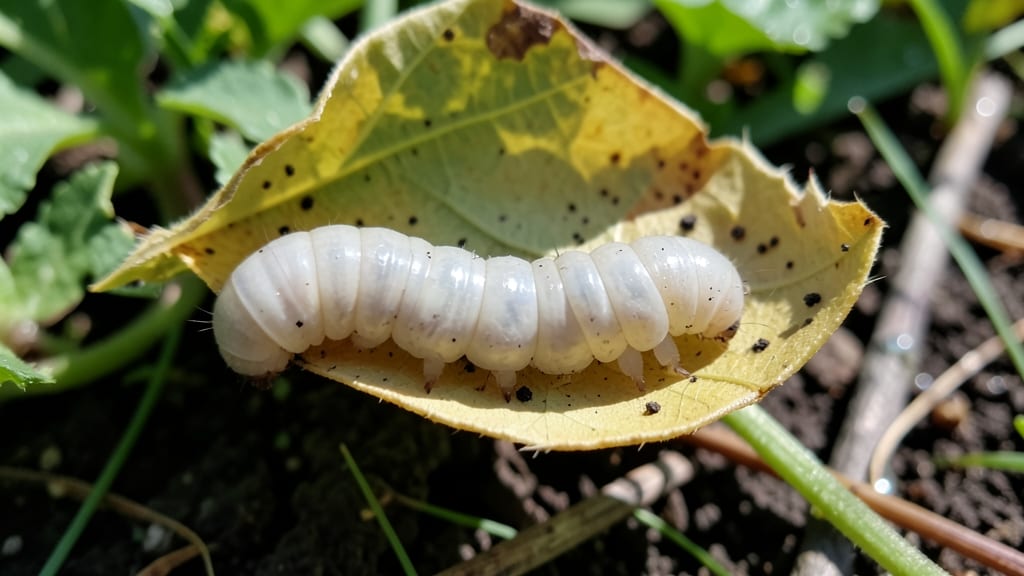
White garden grubs are the sneaky culprits behind chewed lawn roots and wilting garden plants—yet they’re easy to outsmart with the right approach. 🌱 I’ve battled these pale, C-shaped larvae in my own yard, and the key to stopping them lies in understanding their lifecycle and disrupting it naturally.
Most people reach for chemical pesticides first, but I’ve found organic methods work just as well without harming your soil or pollinators.
The damage starts underground, where grubs munch on roots for months before pupating into beetles. By the time you see brown patches or plants pulling up easily, they’ve already been feeding for weeks.
The good news? Healthy soil and a few simple interventions can break their cycle—think nematodes, milky spore, or even a well-timed manual hunt after rain when they surface.
You’ll see results fast with organic controls: nematodes kill grubs within days, while milky spore builds long-term protection. My lawn went from patchy to lush within a season after switching to these methods.
The secret’s in consistency—treat in early fall and spring, and keep your grass or garden beds thriving to outcompete the grubs.
Works for lawns, vegetable patches, and flower beds in temperate climates—just adjust timing for your local beetle activity. Let’s get those grubs under control without the harsh chemicals.
The Hidden Triggers Behind Grubs
White garden grubs—those pale, C-shaped larvae—don’t just appear out of nowhere. Their presence is a direct result of specific conditions that create the perfect breeding ground. Understanding these triggers is the first step to preventing an infestation before it starts.
Let’s break down the key factors that turn your lawn into a grub buffet.
Grubs thrive in soil that’s too moist or densely packed, which restricts oxygen and creates ideal conditions for their development. Here’s why:
- Excess moisture: Grubs, like many larvae, require damp soil to survive. Overwatering—whether from frequent irrigation, poor drainage, or heavy rainfall—keeps the soil saturated, making it a hospitable environment. Pro tip: Test your soil’s moisture by squeezing a handful; if water drips out, it’s likely too wet. 🌡️
- Compacted soil: Heavy foot traffic, machinery, or clay-heavy soil compresses the ground, reducing aeration. Grubs prefer these low-oxygen zones because they’re harder for predators (like birds or beetles) to dig through. Actionable fix: Aerate your lawn in early fall to improve drainage and oxygen flow.
- Thatched buildup: A thick layer of organic matter (like dead grass) on the soil surface traps moisture and provides shelter. This dual threat makes your lawn even more attractive to egg-laying adults.
The lifecycle of grubs begins with their parents—the Japanese beetle, European chafer, or other scarab beetles. These adults lay eggs in late spring to early summer, and their behavior sets the stage for a grub outbreak:
- Timing is everything: Beetles emerge in May-June, coinciding with peak grass growth. They feed on foliage during the day but lay eggs in the soil at night. A single female can deposit 50–60 eggs in a few days! 🐞
- Host plant preferences: Beetles target stressed or nutrient-rich grass. Lawns with Kentucky bluegrass, tall fescue, or ryegrass are especially vulnerable because these grasses provide easy access to roots and moisture.
- Warm, sunny patches: Beetles favor well-drained, sunny areas where soil warms quickly. If your lawn has sun-exposed spots, those are high-risk zones for egg-laying.
Watch for: Skeletonized leaves (beetles chew between veins) or clusters of beetles on roses/grasses—this means eggs are likely already in the soil.
Grubs aren’t picky eaters, but they do prefer certain conditions in their host plants:
| Grub-Friendly Conditions | Why It Attracts Grubs |
|---|---|
| Over-fertilized lawns (especially nitrogen-heavy) | Excess nitrogen promotes lush, soft grass roots—grubs’ favorite snack. Plus, tender roots are easier to chew through. |
| Drought-stressed or thinning grass | Weak grass recovers slowly, leaving exposed roots. Grubs also sense stressed plants as a signal to feed aggressively. |
| Newly seeded or sodded areas | Fresh grass roots are tender and nutrient-dense, making them irresistible to newly hatched grubs. |
Actionable tip: Avoid heavy spring fertilization. Instead, use a slow-release, balanced fertilizer in early fall to strengthen grass without inviting grubs. ✨
Grubs are cold-blooded and highly sensitive to temperature. Their lifecycle is tightly linked to seasonal changes:
- Spring warmth (60–80°F): Eggs hatch within 10–14 days of being laid, triggered by rising soil temps. Cooler springs delay hatching, while hotter ones speed it up.
- Summer dormancy: As soil dries or temps exceed 90°F, grubs burrow deeper to survive. This makes them harder to spot but not immune to damage.
- Fall feeding frenzy: Grubs become most active in September-October, feeding voraciously to store energy for winter. This is when lawn damage peaks.
Key insight: Monitor soil temps with a soil thermometer (ideal depth: 2–4 inches). If temps hit 65°F for 3+ days, eggs are likely hatching. ⏰
By addressing these triggers—whether through soil management, beetle monitoring, or smart fertilization—you can disrupt the grub lifecycle before it becomes a full-blown infestation. The next step? Learning how to outsmart them organically.
Natural Ways to Banish Soil Invaders
If your lawn or garden is under siege by white, C-shaped larvae munching on roots, don’t reach for harsh chemicals just yet. These pests—often called white grubs—can be tackled with targeted, eco-friendly strategies.
Below, we’ll break down the most effective fixes based on the root cause of your infestation, from cultural fixes to organic treatments.
Problem: Overwatering, compacted soil, or poor grass health invites grubs to feast on weak roots.
How to Fix It:
- 🔥 Aerate Your Lawn – Use a core aerator in spring or fall to relieve soil compaction, giving roots access to oxygen and nutrients.
- 👨🍳 Overseed Bare Spots – Fill thin patches with a grub-resistant grass blend (e.g., tall fescue or Kentucky bluegrass).
- 🥘 Adjust Watering – Water deeply 2-3 times per week (early morning) instead of daily light sprinkles. Grubs thrive in soggy soil.
Prevention Tip: 💡 Test your soil (pH 6.0–7.0 is ideal). Lime or sulfur may be needed to deter grubs naturally.
Problem: Existing grubs need to be killed before they mature into beetles and re-infest.
How to Fix It:
- 🔪 Apply Beneficial Nematodes – Microscopic worms (Heterorhabditis bacteriophora) infect and kill grubs. Mix with water and apply in evening (they’re sunlight-sensitive).
- 🍳 Use Milky Spore (Bacillus popilliae) – A natural bacteria that colonizes soil and targets Japanese beetle grubs (works best in warm climates).
- 🥘 Spray Neem Oil or Kaolin Clay – Disrupts grubs’ feeding and growth. Reapply after rain.
Prevention Tip: ✨ Rotate treatments—nematodes work best in late summer/early fall, while milky spore takes 1–2 years to establish.
Problem: Adult beetles (June bugs, Japanese beetles) lay eggs that hatch into grubs.
How to Fix It:
- 🌙 Trap Adult Beetles at Night – Use a bucket trap (fill with soapy water + a light source) to reduce egg-laying.
- 🔪 Handpick Eggs – Check soil in late summer (eggs are tan, rice-sized). Scoop them out and drown in soapy water.
- 🥘 Install Physical Barriers – Lay cardboard strips in lawns (grubs crawl upward to pupate). Remove and burn them in late summer.
Prevention Tip: 🎯 Mow high (3–4 inches)—taller grass shades soil, making it less appealing for egg-laying beetles.
Problem: Grubs have natural enemies, but their populations may be low.
How to Fix It:
- 🐦 Encourage Birds & Toads – Install a birdbath or toad house to attract grubs’ predators.
- 🔥 Introduce Ground Beetles or Stink Bugs – These insects eat grubs voraciously. Plant dill, fennel, or marigolds to attract them.
- 🥘 Use Chicken Manure (Composted!) – Adds beneficial microbes that compete with grub larvae. Avoid fresh manure—it can harm plants.
Prevention Tip: 🌡️ Avoid broad-spectrum pesticides—they kill both pests and helpful predators.
Grubs are most vulnerable at specific life stages. Time your treatments right:
| Season | Grub Stage | Best Treatment |
|---|---|---|
| Late Summer | Eggs | Handpick, trap beetles, neem oil |
| Fall | Young Larvae | Beneficial nematodes, milky spore |
| Spring | Mature Larvae | Aerate, overseed, encourage predators |
Final Pro Tip: 🔥 Check for grubs in fall—dig up a 12" square of sod and look for C-shaped larvae. If you find 5+ per square foot, act fast!
By combining soil health, organic pesticides, and predator support, you can eliminate grubs without harming your lawn or the planet. Happy gardening!
Frequently asked questions
What do white garden grubs look like, and how can I tell if I have them?
White grubs are pale, C-shaped larvae about 1/2 to 1 inch long with brown heads. Look for them by lifting a small patch of sod in early fall—they’ll curl up when exposed. Signs of infestation include brown patches, plants pulling up easily, or increased bird activity (they love to eat grubs).
Are white grubs harmful to my garden or lawn?
Yes, they’re serious pests! Grubs feed on grass roots and vegetable plant roots, causing wilting, yellowing, and dead patches. Left untreated, they can kill lawns or stunt garden growth. The damage is most visible in late summer and fall when grubs are most active.
What’s the best time of year to treat for white grubs?
Fall (September-October) is the best time to treat—grubs are feeding aggressively to prepare for winter. Early spring (April-May) is also effective. Avoid treating in summer when grubs burrow deeper to escape heat. Apply nematodes or milky spore in evening for best results.
Can I use chemical pesticides for white grubs, or should I stick to organic methods?
Chemical pesticides like imidacloprid work fast but harm beneficial insects and soil health. Organic methods (nematodes, milky spore, neem oil) are safer for ecosystems and equally effective when applied correctly. For severe infestations, consider spot-treating with chemicals while protecting nearby plants.
How do I prevent white grubs from coming back next year?
Focus on soil health: aerate annually, avoid overwatering, and use slow-release fertilizers. Encourage natural predators (birds, toads) by adding water features or native plants. Apply milky spore in fall—it builds up in soil over time and provides long-term protection against Japanese beetle grubs.