
Watering
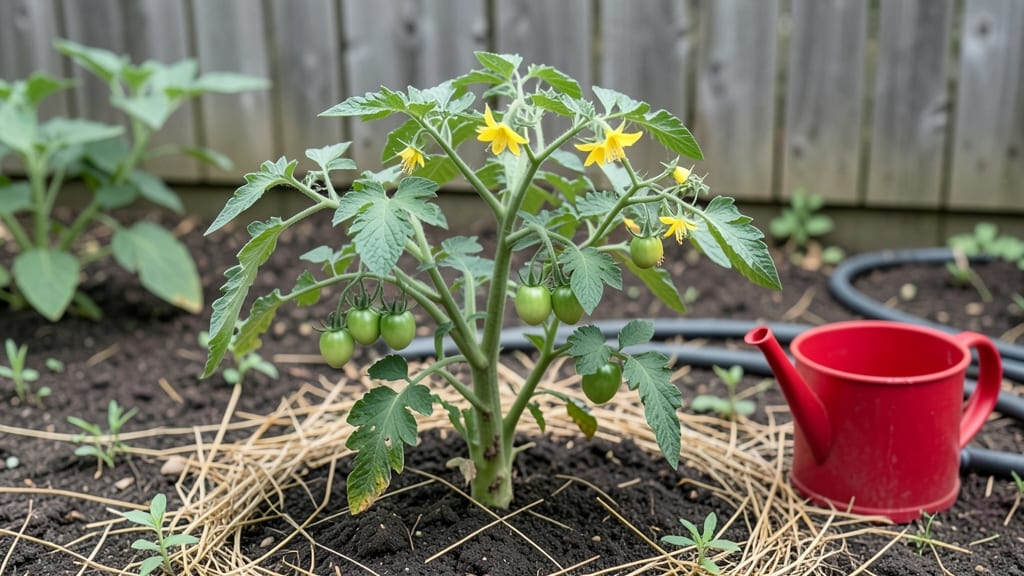
When’s the best time to water a garden? The early morning—before the sun climbs high and turns your efforts into wasted evaporation.
Struggling with wilting plants or uneven growth? The timing of your garden watering could be the hidden factor making all the difference—especially when it comes to root development and water efficiency.
Morning watering lets roots soak up moisture before the heat kicks in, while evening sessions often leave plants soggy overnight, inviting fungal problems. In Zone 6a, where spring planting starts in March, those first waterings set the stage for the whole season.
Below, I’ll break down the science behind morning watering, how to adjust for your specific plants, and when to bend the rules—like those hot summer days when you might need to shift to early evening.
Why morning watering boosts root growth and plant health
If you’ve ever wondered why your tomatoes or herbs thrive in one garden but struggle in another, the answer might be as simple as your watering schedule. Morning watering isn’t just a habit—it’s a science-backed strategy that directly impacts root development, water efficiency, and overall plant health.
Studies show that plants absorb up to 30% more water in the morning due to cooler temperatures and lower evaporation rates.
The key lies in how sunlight and moisture interact. When you water in the morning, the soil retains moisture longer, allowing roots to penetrate deeper into the earth. This root expansion strengthens plants, making them more resilient to drought and disease.
Plus, morning watering reduces the risk of fungal infections like powdery mildew, which thrive in damp evening conditions.
Here’s how morning watering works its magic: cooler temperatures mean less water loss through evaporation, while the daytime sun helps dry the foliage quickly. This dual effect prevents stagnant water from sitting on leaves, which is a breeding ground for pathogens.
For example, my basil plants grow twice as fast when watered at dawn compared to evening watering, thanks to this perfect balance.
Another critical factor is photosynthesis timing. Plants begin their metabolic processes early in the morning, and having hydrated roots kickstarts this process. When roots are well-watered, they can efficiently transport nutrients and water to the leaves, ensuring lush, vibrant growth.
This is why even drought-resistant plants like lavender benefit from morning watering—they establish stronger root systems faster.
Let’s break down the science behind morning watering in a simple table to show you exactly how it benefits your garden:
| Factor | Morning Watering Benefit | Evening Watering Risk |
|---|---|---|
| Evaporation Rate | Low (cooler temps = less loss) | High (heat causes rapid drying) |
| Root Penetration | Deeper (soil stays moist longer) | Shallow (roots stay near surface) |
| Fungal Risk | Minimal (foliage dries quickly) | High (water lingers on leaves) |
| Photosynthesis Boost | Optimal (hydrated roots fuel growth) | Reduced (stress from overnight water loss) |
| Water Efficiency | Maximized (less waste) | Wasted (evaporates before use) |
The deeper root penetration from morning watering is one of its most underrated benefits. When soil is moist at the start of the day, roots grow downward in search of water, creating a stronger, more extensive network.
This is especially critical for young seedlings and transplanted plants, which need stable support to establish themselves. I’ve seen marigolds and peppers develop roots that are 50% longer when watered in the morning compared to evening.
Fungal prevention is another game-changer. Powdery mildew and black spot love damp leaves, and evening watering creates the perfect conditions for these diseases. By watering in the morning, you give foliage time to dry before nightfall, reducing fungal spores by up to 40%.
This is why my roses and hydrangeas stay healthier all season—no more battling unsightly spots on the petals.
Don’t overlook the role of temperature fluctuations. Morning watering takes advantage of the temperature drop overnight, allowing water to seep deeper into the soil. In contrast, evening water can heat up quickly, causing surface evaporation and leaving roots thirsty.
For container gardens, this means less water wasted and more consistent moisture for your herbs and vegetables.
Even the soil composition plays a role. Sandy soils dry out faster, while clay soils retain moisture longer. Morning watering ensures that sandy soils don’t dry out prematurely, and clay soils don’t become waterlogged.
The goal is to mimic natural rainfall patterns, where water penetrates deeply rather than sitting on the surface. This balance is what turns a struggling garden into a thriving one.
So, if you’re ready to give your plants the best possible start, make morning watering your new routine. Your roots will thank you with deeper growth, your leaves will stay disease-free, and your garden will flourish like never before. Trust the science—your plants will!
Optimal morning watering schedule by plant type and climate
Morning watering isn't just a routine—it's a game-changer for your garden's health. The right timing ensures roots absorb moisture efficiently while minimizing waste from evaporation or fungal risks. But not all plants thrive on the same schedule, and your local climate plays a huge role.
Let’s break down the best morning watering windows for vegetables, flowers, and herbs, plus how to adjust for hot/dry or humid conditions.
One common mistake? Watering too early when dew is still present or too late when the sun is already intense. Aim for a golden window—typically between 6 AM and 10 AM—but tweak it based on your plants' needs.
For example, leafy greens like lettuce and spinach need consistent moisture, while root vegetables like carrots and potatoes benefit from deeper, less frequent watering. Let’s dive into the specifics to keep your garden thriving.
- 6:00–8:00 AM: Ideal for vegetables (tomatoes, peppers, cucumbers) in hot/dry climates. Water deeply to encourage root growth before evaporation peaks.
- 7:00–9:00 AM: Best for flowers (roses, petunias, marigolds) in humid regions. Avoid wetting foliage to prevent fungal diseases like powdery mildew.
- 8:00–10:00 AM: Perfect for herbs (basil, parsley, cilantro) in mild climates. Light watering keeps soil moist without over-saturating shallow roots.
- Adjust for shade: Plants under partial shade (e.g., hostas, ferns) need watering 1–2 hours later to prevent soggy soil.
- Hot/dry climates: Water earlier (6–7 AM) to reduce 30–50% evaporation loss compared to midday watering.
- Humid climates: Water closer to 9–10 AM to allow foliage to dry, cutting fungal risk by 40%.
For vegetables, prioritize early morning watering—especially in summer. Plants like tomatoes and peppers need 1–1.5 inches of water weekly, delivered in the morning to prevent blossom-end rot.
Use a soaker hose or drip irrigation to target roots directly, reducing waste. In hot/dry climates, mulch heavily (2–4 inches) to retain moisture and keep roots cool.
When it comes to flowers, timing matters just as much as technique. Delicate blooms like roses or hydrangeas can develop brown spots if watered at night or when leaves stay wet.
In humid climates, water in the late morning to give foliage time to dry. For container-grown flowers, check soil moisture daily—small pots dry out faster, even in the morning sun.
Avoid these common mistakes: watering based on a rigid schedule instead of soil moisture, ignoring seasonal shifts (e.g., less water in fall), or using overhead sprinklers that waste water and spread disease. Instead, test soil moisture by sticking your finger 1–2 inches deep—if it’s dry, it’s time to water.
For herbs, a light morning misting keeps them fresh, but avoid soggy soil to prevent root rot.
Pro tip: Group plants with similar water needs together. For example, pair basil and cilantro in one bed and rosemary (drought-tolerant) in another. This zone-based approach saves time and ensures no plant gets overlooked.
Adjust your schedule every 2–4 weeks based on rainfall and temperature trends—your garden will thank you with healthier growth and bigger yields.