
Picking
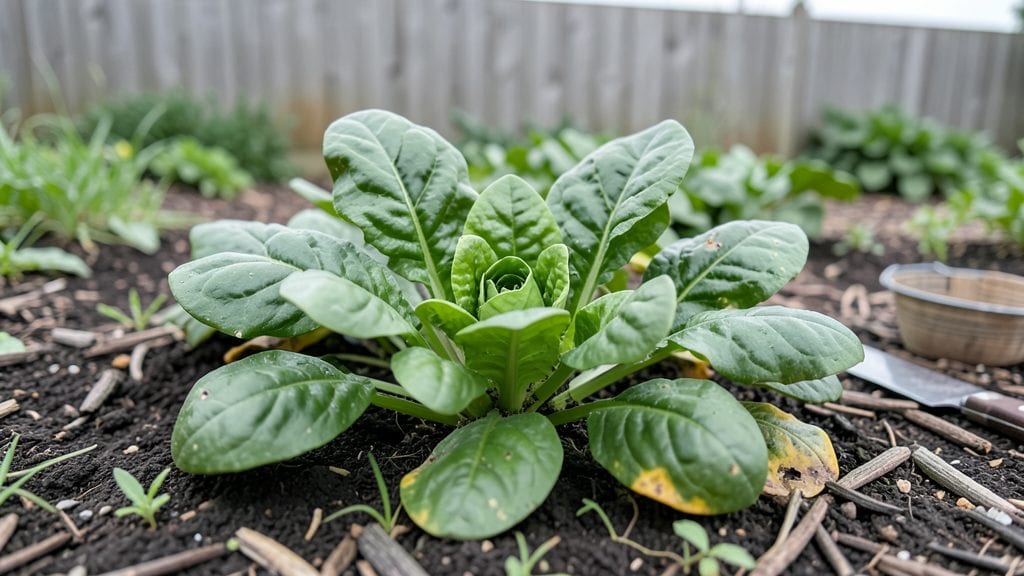
To pick spinach from your garden at the perfect moment, aim for leaves that are 4-6 inches long and still tender 🍃—any later, and you’ll risk bitterness or tough texture.
Harvesting spinach at the wrong time can turn your homegrown bounty into bitter, tough leaves—so timing your pick is everything for tender, flavorful greens.
You don’t need a calendar to know when it’s ready; just check for dark green color, crisp edges, and a slight sweetness when you pinch a leaf. The key is consistency—harvest outer leaves first to keep the plant producing, and avoid cutting into the center where new growth happens.
Below, I’ll walk you through the exact signs to watch for, how to extend your harvest season, and the one mistake that turns sweet spinach into a sad, stringy mess.


How to identify the perfect time to harvest spinach leaves
Harvesting spinach at the right moment transforms your garden into a flavor factory. Unlike many vegetables, spinach rewards patience—wait too long, and you’ll end up with bitter, fibrous leaves instead of the tender, sweet greens you crave.
The key lies in reading your plants like a book, checking for leaf size, texture, and even subtle aroma cues that signal peak harvest time.
Spinach doesn’t have a single "perfect" harvest window—it’s all about growth stages. Baby leaves (harvested young) offer delicate, sweet flavors perfect for salads, while mature leaves develop a heartier texture ideal for cooking.
Understanding these differences ensures you never miss the sweet spot between underripe and overripe. Let’s break down the visual and tactile clues that tell you when to reach for those scissors.
| Harvest Stage | Leaf Size | Texture | Flavor Profile | Best Uses | Harvest Frequency |
|---|---|---|---|---|---|
| Baby Leaf | 1–2 inches | Tender, silky | Sweet, mild | Salads, sandwiches | Every 2–3 weeks |
| Mature Leaf | 4–6 inches | Crisp, firm | Earthy, robust | Stir-fries, sautéing | Every 3–4 weeks |
| Over-Mature | 6+ inches | Tough, fibrous | Bitter, woody | Discard or compost | Avoid harvesting |
Start by examining leaf size—this is your first clue. For baby spinach, aim for leaves that are only 1–2 inches long. These tiny greens are delicate and sweet, perfect for fresh salads or garnishes.
If you’re growing spinach for cooking, wait until leaves reach 4–6 inches in length. At this stage, they’ll have a crisp texture and a more earthy flavor that holds up to heat.
Next, give your spinach leaves a gentle squeeze. Ready-to-harvest leaves should feel tender and slightly crisp—almost like a cross between a lettuce leaf and a young kale leaf. If the leaf bends easily without snapping, it’s perfect.
But if it feels leathery or fibrous, it’s past its prime. Over-mature spinach becomes tough and bitter, a common mistake that turns gardeners away from harvesting at all.
Don’t overlook the aroma test, a pro trick I learned from my grandmother. Snap off a leaf and give it a sniff near the stem. Fresh spinach has a mild, slightly sweet scent.
If it smells musty or bitter, it’s time to harvest—or better yet, avoid letting it get to that point. This scent is your final quality check before making the cut.
Season also plays a role in harvest timing. In cool spring or fall weather (ideal for spinach), leaves grow slower, so you can harvest every 2–3 weeks without stressing the plant. But during warm summer months, spinach bolts quickly—meaning it sends up a flower stalk and becomes inedible.
If you notice flower buds forming, harvest immediately, even if the leaves aren’t fully mature.
One of my biggest harvesting mistakes was waiting for all leaves to reach the same size. Instead, practice selective harvesting: pick the outer leaves first, leaving the inner ones to keep growing.
This method ensures a continuous supply of fresh spinach and prevents the plant from becoming overcrowded. Plus, it’s a game-changer for prolonging your harvest season by up to 4–6 weeks.
Finally, pay attention to the time of day you harvest. Early morning is ideal because leaves are most hydrated and crisp. Avoid harvesting in the midday heat, as this can cause stress and bitterness.
If you’re harvesting in hot weather, do it in the late afternoon and immediately store the leaves in the fridge to preserve their freshness.
With these cues in mind, you’ll never second-guess when to pick spinach from your garden again.
Leaf-by-leaf harvesting: the secret to prolonging your spinach supply
Spinach thrives when you harvest it the right way—leaf-by-leaf—instead of yanking entire plants. This method keeps your crop producing for weeks longer while ensuring tender, flavorful leaves. The key? Timing and technique to avoid stressing the plant.
I’ve perfected this approach in my garden, and it’s how I’ve extended my spinach harvest from just a few weeks to nearly three months in optimal conditions.
Most gardeners make one of two mistakes: either they harvest too aggressively and stunt regrowth, or they wait too long and end up with bitter, tough leaves. The solution lies in selective harvesting—targeting only the largest, most mature outer leaves while leaving the inner growth intact.
With the right tools and a little patience, you’ll create a self-sustaining spinach supply that keeps giving. Let’s dive into the exact steps to master this technique.
How to Harvest Spinach Leaf-by-Leaf
- Step 1: Choose the outer leaves that are 4–6 inches long and fully dark green. These are the most mature and won’t hinder the plant’s growth if removed.
- Step 2: Use clean, sharp scissors or pruning shears to avoid crushing stems. Dull tools cause damage that invites pests and disease.
- Step 3: Cut the leaf 1–2 inches above the base at a 45° angle. This prevents water from pooling on the stem, reducing rot risk.
- Step 4: Leave 2–3 inches of stem attached to the plant. This ensures the leaf can still photosynthesize slightly before falling off naturally.
- Step 5: Water the plant immediately after harvesting to replenish moisture lost during the process. Aim for 1 inch of water per week.
- Step 6: Rotate your harvest zones to avoid over-picking one side. This encourages even growth and prevents the plant from becoming lopsided.
One of the biggest myths about spinach harvesting is that you need to pull the whole plant. Never do this—it’s like cutting off your own arm for a single haircut! Instead, think of your spinach as a self-replenishing buffet.
By always harvesting the largest leaves first, you encourage the plant to focus its energy on producing more tender growth in the center. I’ve seen spinach plants continue producing for months this way, even in cooler climates.
Timing your harvests is just as critical as the technique. Early morning is the best time to pick because the leaves are firm and hydrated from overnight dew.
Avoid harvesting in the midday heat—this stresses the plant and can lead to bolting (when spinach sends up a flower stalk and becomes tough). If you must harvest later in the day, do it in the late afternoon and water thoroughly afterward to recover.
Don’t forget to inspect your spinach before each harvest. Look for signs of pests like aphids or holes from slugs. If you spot damage, treat it immediately with neem oil or row covers to protect your crop.
Healthy leaves should be dark green, crisp, and slightly sweet-smelling at the stem. If they taste bitter, it’s a sign the plant is too mature or stressed—time to harvest more aggressively or adjust your care routine.
With leaf-by-leaf harvesting, you’ll not only prolong your spinach supply but also improve flavor and reduce waste. Store harvested leaves in a perforated plastic bag in the fridge for up to 5 days, or blanch and freeze them for long-term use.
My personal record? A single spinach plant producing enough leaves for weekly salads for 12 weeks—all thanks to this simple method. Give it a try, and you’ll wonder why you ever pulled entire plants before! 🍃